Rhodiola rosea: the research and the safety
Rhodiola rosea is a root used traditionally for stress and tiredness, and the trials of it are mixed and often poorly reported. In the UK it is sold both as a licensed traditional herbal medicine and as a food supplement, and only the medicine can say it relieves symptoms of stress.
By The Natura team6 min read

What are the benefits of Rhodiola rosea?
No benefit has been shown clearly enough to earn an authorised health claim in Great Britain. Rhodiola rosea, also called golden root or Arctic root, is a plant whose root has long been used in traditional herbal medicine for stress and tiredness. Trials have tested it for both, with mixed results.
The Great Britain nutrition and health claims register has no authorised claim for rhodiola. The one claim it lists, that a rhodiola extract helps to reduce tiredness in case of stress, is marked non-authorised because the evidence did not substantiate it. So a rhodiola food supplement can't lawfully say it helps with stress, energy or focus, and this page doesn't say it either. The sections below report what researchers have studied, with the limits.
What does the research on rhodiola, stress and fatigue show?
The results conflict, and most trials are small or poorly reported.
- A 2012 systematic review by Ishaque and colleagues found 11 trials of rhodiola for physical and mental fatigue. Two of six trials on physical fatigue and three of five on mental fatigue reported a benefit. Every study had a high risk of bias or reporting flaws, and the authors called the evidence contradictory.
- A 2014 randomised, double-blind trial gave 364 mg of rhodiola or a placebo to 48 nursing students on shift work for 42 days. Fatigue scores were worse with rhodiola than with placebo, though the authors said to read the result with caution.
- A 2015 trial of 80 mildly anxious adults found lower self-reported stress, anxiety and anger after 14 days on a rhodiola extract tablet (200 mg twice a day) than in people who took nothing. There was no placebo, so expectation may explain some of the change, and cognitive tests showed no difference.
- A 2021 review of 39 randomised trials of rhodiola species rated the reporting quality as generally poor, with most risk-of-bias judgements unclear.
Exercise research looks more positive. A 2025 meta-analysis of 26 trials in 668 healthy people, with an average age of 22 and an average length of 33 days, reported gains in endurance measures such as VO2max. Its authors urged caution because the studies differed so much. Exercise performance is a different question from stress, and neither has an authorised claim.
Is rhodiola a medicine or a food supplement in the UK?
Both. Rhodiola rosea is sold in the UK as a licensed traditional herbal medicine and as a food supplement, and the two are regulated differently.
A Traditional Herbal Registration (THR) is the MHRA's licence for herbal medicines used for minor conditions that don't need medical supervision. A company must show the product's quality, supply an expert safety review and show evidence of traditional use for at least 30 years, including at least 15 years in the EU or EEA. It doesn't have to show in clinical trials that the product works. The label wording reflects that: the approved use is described as "based on traditional use only".
The MHRA's list of registered products (updated 28 October 2025) includes two registrations for rhodiola root extract, one a 153 mg capsule and one a 200 mg tablet. Each is shared by several retail brands, and each carries the same indication: for the temporary relief of symptoms associated with stress, such as fatigue, exhaustion and mild anxiety. The EU's herbal committee has a monograph with a similar traditional-use indication. It says the clinical evidence is limited but the effect is plausible.
| THR product | Rhodiola food supplement | |
|---|---|---|
| Legal status | Licensed herbal medicine | Food |
| What it may say | The approved indication, "based on traditional use only" | Only authorised health claims, and there are none for rhodiola |
| What the company had to show | Quality, an expert safety review, 30 years of traditional use | That the food is safe and correctly labelled; no licence |
| How to spot it | A THR number on the pack | "Food supplement" on the label |
Quality is the other difference. A 2016 analysis of about 40 commercial rhodiola products, published in Phytomedicine, found that around a fifth of those sold as Rhodiola rosea contained no rosavin, a marker compound that helps tell the species from its relatives. About 80% of the rest had less rosavin than the registered products and looked adulterated with other Rhodiola species. The authors concluded that adulteration appeared commonplace and that the quality systems required for registered products gave buyers more confidence. The products were sampled several years ago, so the findings may no longer match what is on sale today.
What are the side effects of rhodiola?
The EU herbal monograph lists headache, nausea, abdominal pain, diarrhoea, skin rash and itching, with the frequency not known. The 2012 review found only five adverse events among 446 trial participants, but some trials didn't report adverse events at all, so that is weak reassurance. The same review noted that rhodiola may add to the effect of other stimulant substances.
Who should avoid rhodiola?
- Under 18s, and anyone pregnant or breastfeeding. The EU monograph says safety hasn't been established in these groups and doesn't recommend use.
- People with bipolar disorder or a history of mania. A 2022 case report described a man of 58 who developed manic symptoms after taking about three times the recommended dose of rhodiola alongside other supplements. His symptoms settled within two days. The authors said safety in people prone to bipolar disorder hasn't been established. If you have bipolar disorder, ask your GP or psychiatrist before you try it.
- People taking antidepressants or other medicines that act on serotonin. The Merck Manual says the combination with certain antidepressants may raise heart rate and that serotonin syndrome may occur with serotonergic medicines. The EU monograph says no clinically relevant interactions have been observed, so the evidence is thin in both directions. Ask a pharmacist.
- Anyone whose symptoms last. The monograph says to see a doctor if symptoms continue for more than two weeks or get worse. Ongoing exhaustion, anxiety or low mood needs a GP, not a supplement. Our guide to feeling tired all the time lists the common causes a GP checks.
Rhodiola or ashwagandha?
No trial we found compares them directly, so nobody can say which is better, and neither has an authorised health claim in Great Britain. Both are often called adaptogens, a term from herbal medicine that carries no regulatory meaning. They have different safety questions. Our ashwagandha guide covers its own, including the UK safety review.
How to judge a rhodiola product
If you decide to try rhodiola, these checks help.
- Decide first whether you want a licensed medicine for symptoms of stress, in which case ask a pharmacist about THR products, or a food supplement, which can't make that promise.
- Look for the species (Rhodiola rosea), the part used (root and rhizome) and the amount of extract per dose, with its ratio to the raw root.
- Compare the dose with the EU monograph, which describes 144 to 200 mg of dry extract per dose, once or twice a day, for adults. Products far above that go beyond what the monograph describes.
- Be wary of blends that add other stimulants, and tell your pharmacist about anything you take.
If you're taking several supplements, our guide to taking supplements together covers the interaction basics.
Common questions
What should you not take with rhodiola?
Tell a pharmacist before combining rhodiola with antidepressants or other medicines that act on serotonin, because reference sources report a raised heart rate and a risk of serotonin syndrome, although the EU monograph says no clinically relevant interactions have been observed. A 2012 review also noted a possible added effect with other stimulants, so be careful with caffeine-heavy blends.
What is the side effect of Rhodiola rosea?
The EU herbal monograph lists headache, nausea, abdominal pain, diarrhoea, skin rash and itching, with the frequency not known. Trials report few problems, but many did not record adverse events carefully. A 2022 case report linked about three times the recommended dose to manic symptoms in one man, which is why people with bipolar disorder should ask a doctor first.
Can I buy Rhodiola rosea in the UK?
Yes. It is sold as a food supplement in shops and online, and as a licensed traditional herbal medicine with a THR number, which pharmacies stock. The MHRA's list included two registrations for rhodiola root extract in October 2025. The medicine may state that it is for the temporary relief of symptoms of stress. A food supplement may not.
What does rhodiola do to your body?
That is not established. Trials have looked at stress, tiredness and exercise, and the results conflict. A 2012 review of 11 trials judged all of them at high risk of bias or poorly reported, and a 2014 placebo-controlled trial found more fatigue with rhodiola. No health claim for rhodiola has been authorised in Great Britain.
How long can you take rhodiola for?
The EU monograph for the traditional medicine says to see a doctor or qualified practitioner if symptoms last longer than two weeks, and it doesn't recommend use under 18, in pregnancy or while breastfeeding. For a food supplement there is no official duration. If you need something for months, talk to your GP about what is behind the symptoms.
Sources
- GOV.UK: Great Britain nutrition and health claims (NHC) register
- GOV.UK: Herbal medicines granted a traditional herbal registration (THR), updated 28 October 2025
- GOV.UK: Apply for a traditional herbal registration (THR)
- EMA: Rhodiola rosea L., rhizoma et radix, EU herbal monograph (HMPC, final revision 1, March 2024)
- Ishaque S et al. Rhodiola rosea for physical and mental fatigue: a systematic review. BMC Complement Altern Med, 2012
- Punja S et al. Rhodiola rosea for mental and physical fatigue in nursing students: a randomized controlled trial. PLoS One, 2014
- Cropley M et al. The effects of Rhodiola rosea L. extract on anxiety, stress, cognition and other mood symptoms. Phytother Res, 2015
- Li X et al. Quality evaluation of randomized controlled trials of Rhodiola species: a systematic review. Evid Based Complement Alternat Med, 2021
- Wang X et al. The effect of Rhodiola rosea supplementation on endurance performance and related biomarkers: a systematic review and meta-analysis. Front Nutr, 2025
- Booker A et al. The authenticity and quality of Rhodiola rosea products. Phytomedicine, 2016
- Whig R, Leo RJ. Mania associated with use of Rhodiola rosea, an adaptogen with antidepressant effects. Prim Care Companion CNS Disord, 2022
- Merck Manual (professional version): Rhodiola
- MHRA: Guidance Note 8, a guide to what is a medicinal product
This guide is general information, not medical advice. If you have a medical condition, take prescription medicines, or are pregnant or breastfeeding, speak to your GP or pharmacist before starting a supplement.
This product is a food supplement intended for use by adults aged 18 and over. It is not intended to diagnose, treat, cure, or prevent any disease. Consult a qualified healthcare professional before use, particularly if pregnant, breastfeeding, or taking medication. Individual results vary.
Further reading
Sleep and mind
Always tired? Common causes and tests
Being tired all the time usually comes down to sleep, stress, diet and activity, or a big change such as a new baby or the menopause. If it has gone on for a few weeks with no clear reason, or comes with other symptoms, see a GP, who may do blood tests for anaemia, diabetes and thyroid problems.
10 min read

Vitamins and minerals
Which supplements can you take together?
Most vitamins and minerals, vitamin C and zinc included, can be taken together. Keep iron about 2 hours away from calcium, tea, coffee and antacids, keep mineral supplements away from medicines such as levothyroxine, alendronic acid and some antibiotics, and add up your totals so two products don't take you past NHS limits.
15 min read
Herbs and botanicals
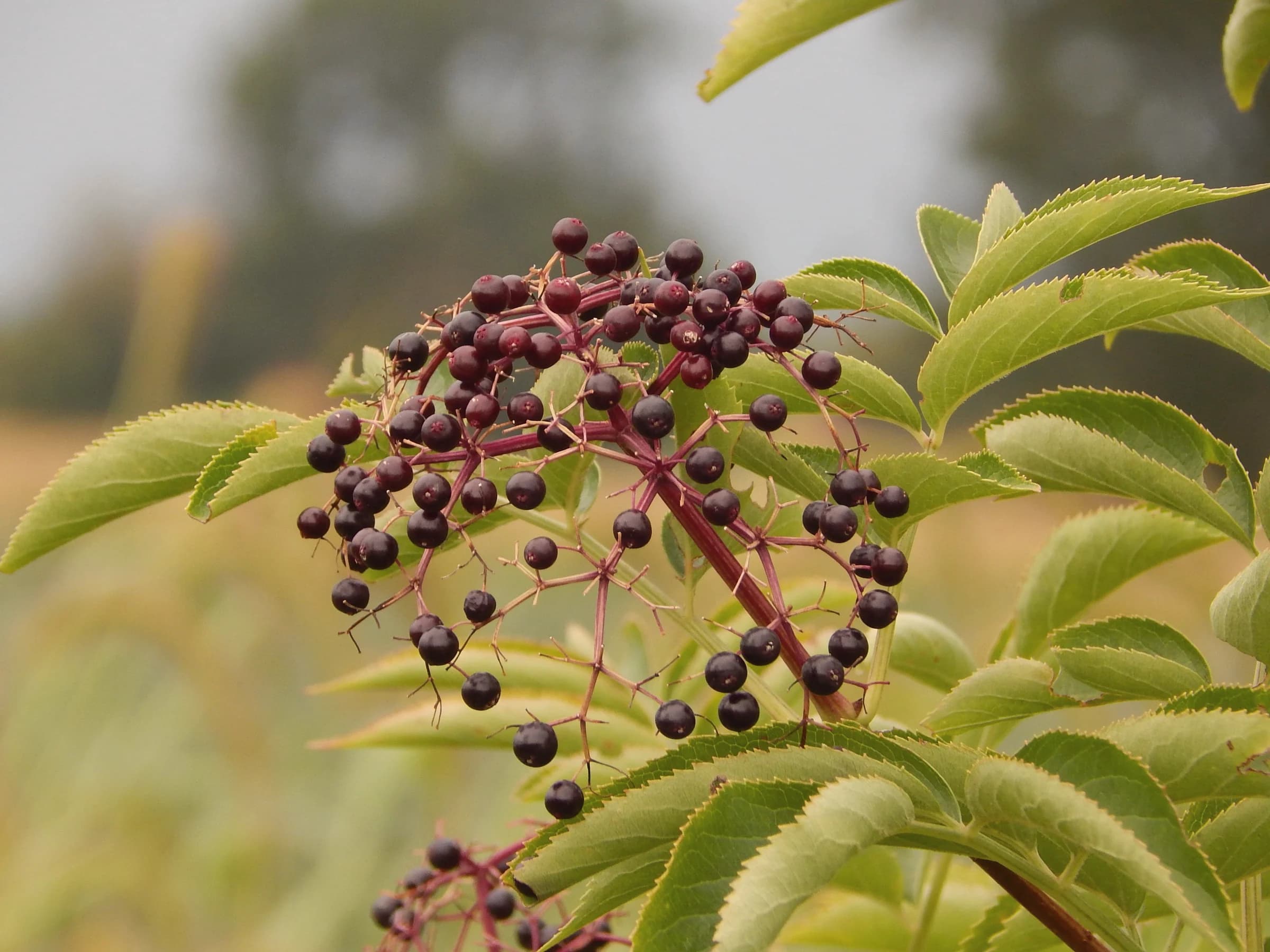
Elderberry syrup: the research and how to make it
Elderberry syrup is a cooked, sweetened syrup of black elderberries. Small trials on colds and flu disagree with each other, no health claim for elderberry is authorised in the UK, and the berries have to be ripe, stripped of their stems and cooked, because raw elder can make you ill.
9 min read