The Natura Journal
Featured guide · Vitamins and minerals
Does magnesium help you sleep?
For most people, not by much. The trials are small and mixed, the clearest signal is in older adults and people who get little magnesium from food, and even there the effect is modest.
11 min read

Every guide
GLP-1 and appetite

GLP-1 supplements, explained
A GLP-1 supplement is a food supplement sold on the idea of the gut hormone GLP-1, usually made from fibres, berberine, probiotics or plant extracts. Legitimate ones contain no GLP-1 medicine, and the research on their ingredients is small and short, with nothing showing they act like prescription semaglutide or tirzepatide.
7 min read
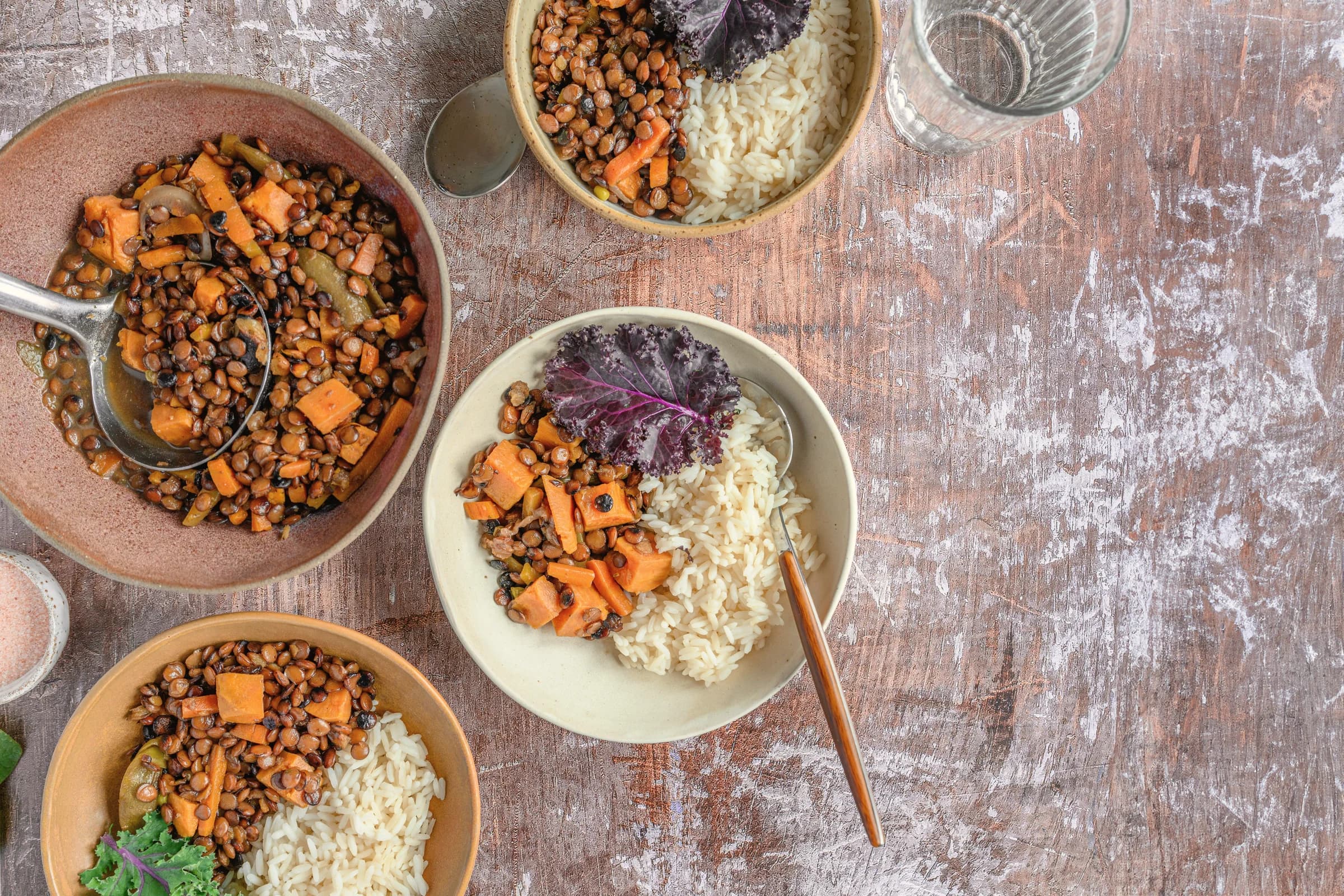
Natural GLP-1 foods: can food raise GLP-1?
Yes, a little. In studies, meals higher in protein, and meals where vegetables and protein came before carbohydrate, produced bigger GLP-1 responses after eating. The rises were in the tens of percent and lasted a few hours, which is a long way from what a GLP-1 medicine does.
7 min read
Berberine in the UK: research and safety
Berberine is a plant alkaloid studied mainly for blood sugar and cholesterol in people with type 2 diabetes, with modest results from trials of limited quality. It often upsets the gut, interacts with several medicines, and in 2026 a draft opinion from Europe's food safety authority concluded that no safe intake could be set.
12 min read
Vitamins and minerals

When to take vitamin D in a UK winter
Start in October. From October to early March, UK sunlight is too weak for your skin to make enough vitamin D, so the NHS says everyone should consider 10 micrograms (400 IU) a day until spring, and some people need it all year.
12 min read

Magnesium glycinate vs citrate: which to take
Both are reasonable choices, and in absorption studies the dose matters more than the form. The practical difference is in your gut: citrate holds water in the bowel and can loosen stools at higher doses, while glycinate caused no stomach problems in a recent trial.
11 min read
Signs of low iron: symptoms and tests
The commonest signs of low iron are tiredness, shortness of breath, palpitations, paler skin and headaches. Less common ones include tinnitus, craving ice, hair loss, restless legs and spoon-shaped nails. None of them is specific to iron, so the way to find out is a blood test from your GP.
12 min read

Vitamin D3 and K2: what the trials show
Vitamin K2 is a family of compounds called menaquinones, found in natto, cheese and other fermented or animal foods. Pairing it with vitamin D3 makes sense on paper, because both play a part in bone, but the trials are small and mixed and UK guidance doesn't ask for it. If you take warfarin, avoid K2 supplements unless your clinic agrees.
11 min read
Magnesium glycinate side effects and safe amounts
The usual side effect of magnesium glycinate, as with any magnesium supplement, is loose stools, and it gets more likely as the dose goes up. Serious problems are rare, and they mostly affect people whose kidneys don't work well.
10 min read
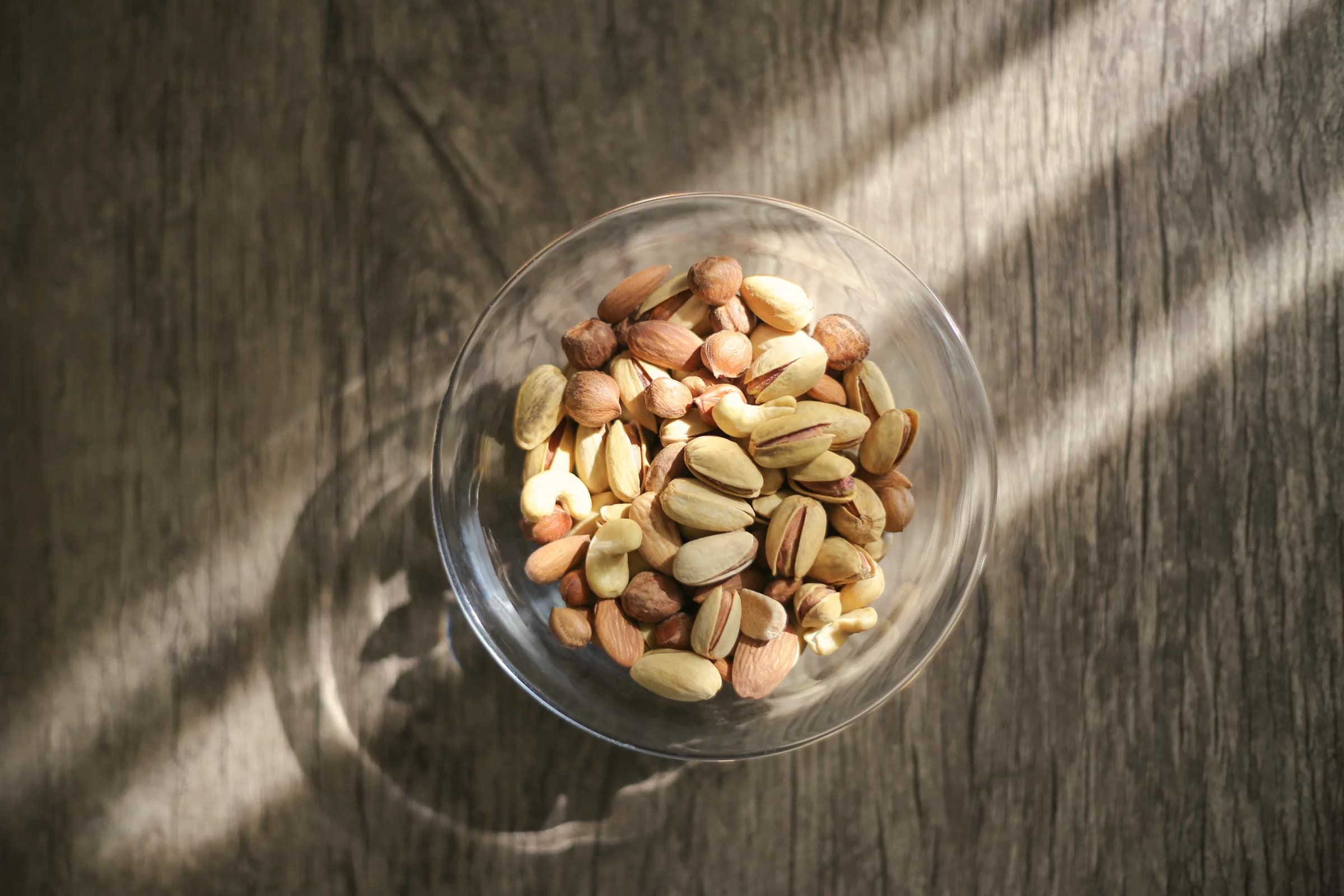
Foods high in magnesium: a UK list
Seeds, nuts, wholegrains, beans and some leafy greens are the richest everyday sources: a 30 g handful of Brazil nuts or sunflower seeds gives more than 100 mg, over a third of what an adult needs in a day. Most people can get enough from a varied diet, and low magnesium is something a GP diagnoses with a blood test, not something to guess from symptoms.
8 min read
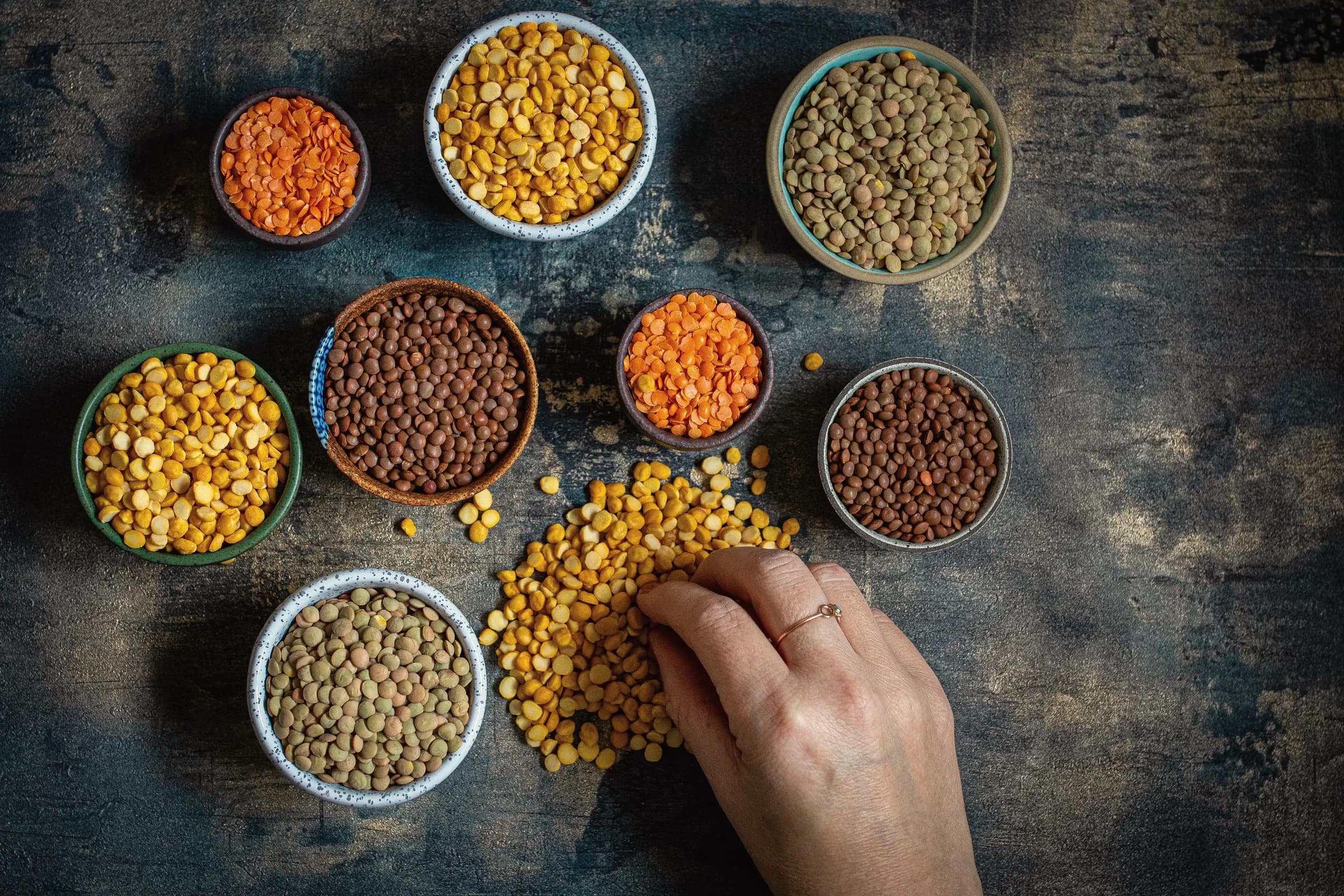
Signs iron tablets are working
Most people on prescribed iron start to feel better after 3 to 4 weeks, and the reliable sign it's working is a blood test showing your haemoglobin rising. Darker poo is a common side effect that tells you nothing about whether the iron is working, but black, tar-like or red poo needs a call to a doctor or 111 straight away.
14 min read

What causes B12 deficiency?
In the UK, B12 deficiency is most often caused by pernicious anaemia, an autoimmune condition that stops you absorbing B12. Diets low in animal foods, medicines such as metformin and PPIs, and gut conditions or surgery cause most of the rest, and the cause decides whether you need tablets or lifelong injections.
12 min read

Which supplements can you take together?
Most vitamins and minerals, vitamin C and zinc included, can be taken together. Keep iron about 2 hours away from calcium, tea, coffee and antacids, keep mineral supplements away from medicines such as levothyroxine, alendronic acid and some antibiotics, and add up your totals so two products don't take you past NHS limits.
15 min read
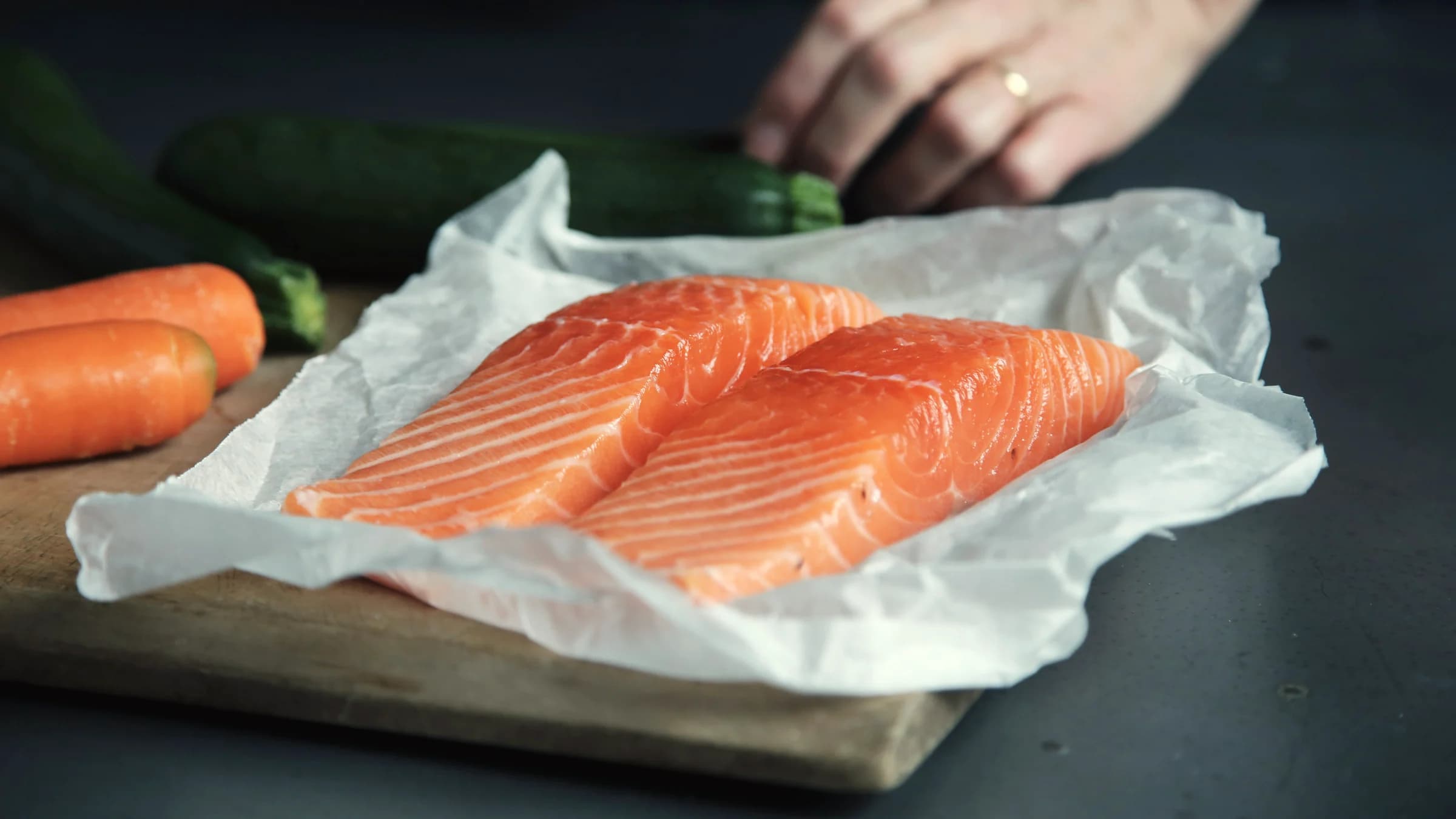
Omega-3 foods: which have the most?
Oily fish such as mackerel, sardines, kippers, salmon and trout are the richest omega-3 foods, and they give the long-chain fats EPA and DHA. Walnuts, linseed, chia, rapeseed oil and soya give ALA, a plant omega-3 the body turns into EPA and DHA only in small amounts.
6 min read
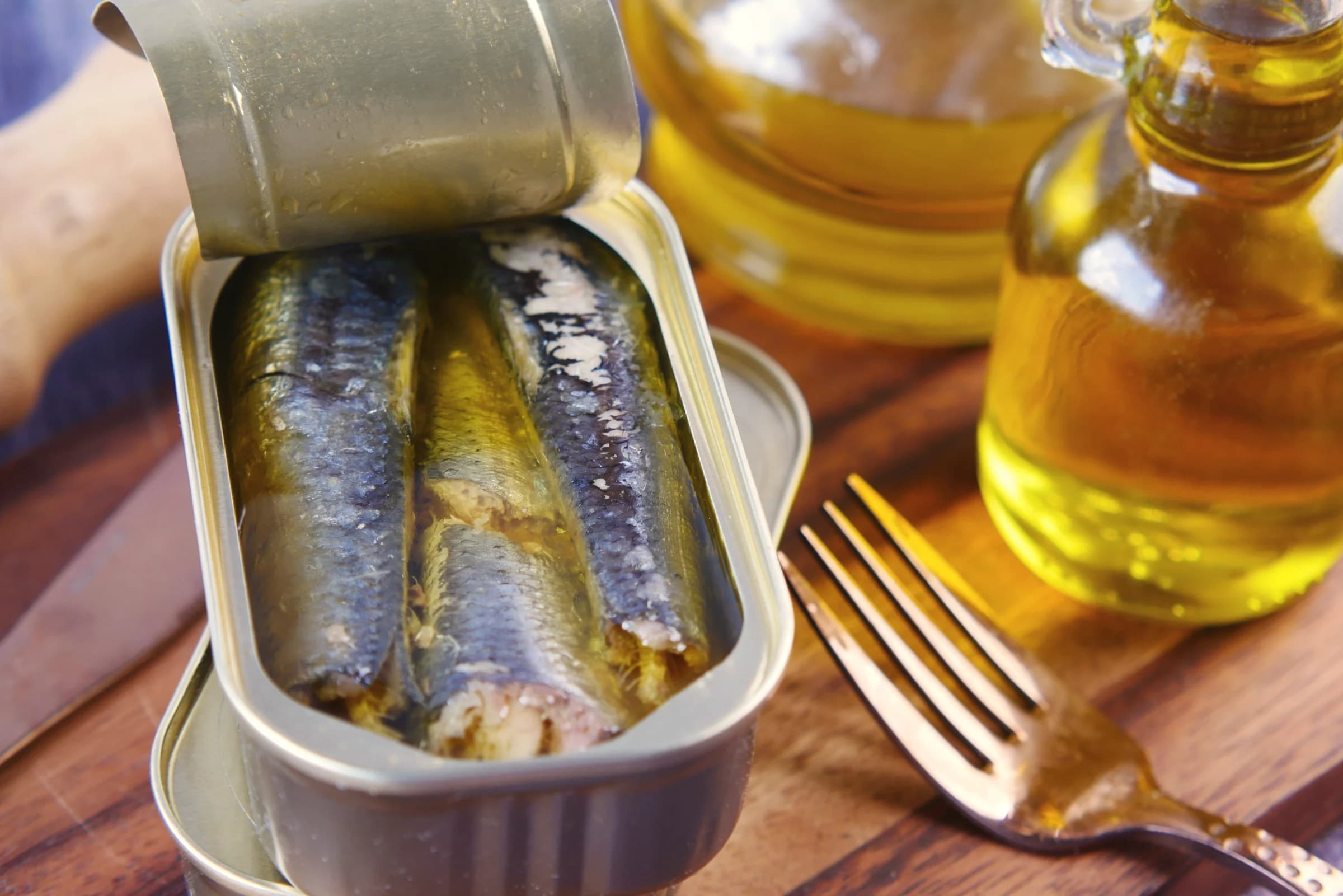
Cod liver oil vs omega-3: which to take
Cod liver oil is one kind of omega-3 supplement. It gives EPA and DHA like other fish oils, but because it comes from the liver it also carries vitamin A and vitamin D, which count towards daily limits, and the NHS says not to take it in pregnancy.
12 min read
Is folate the same as folic acid?
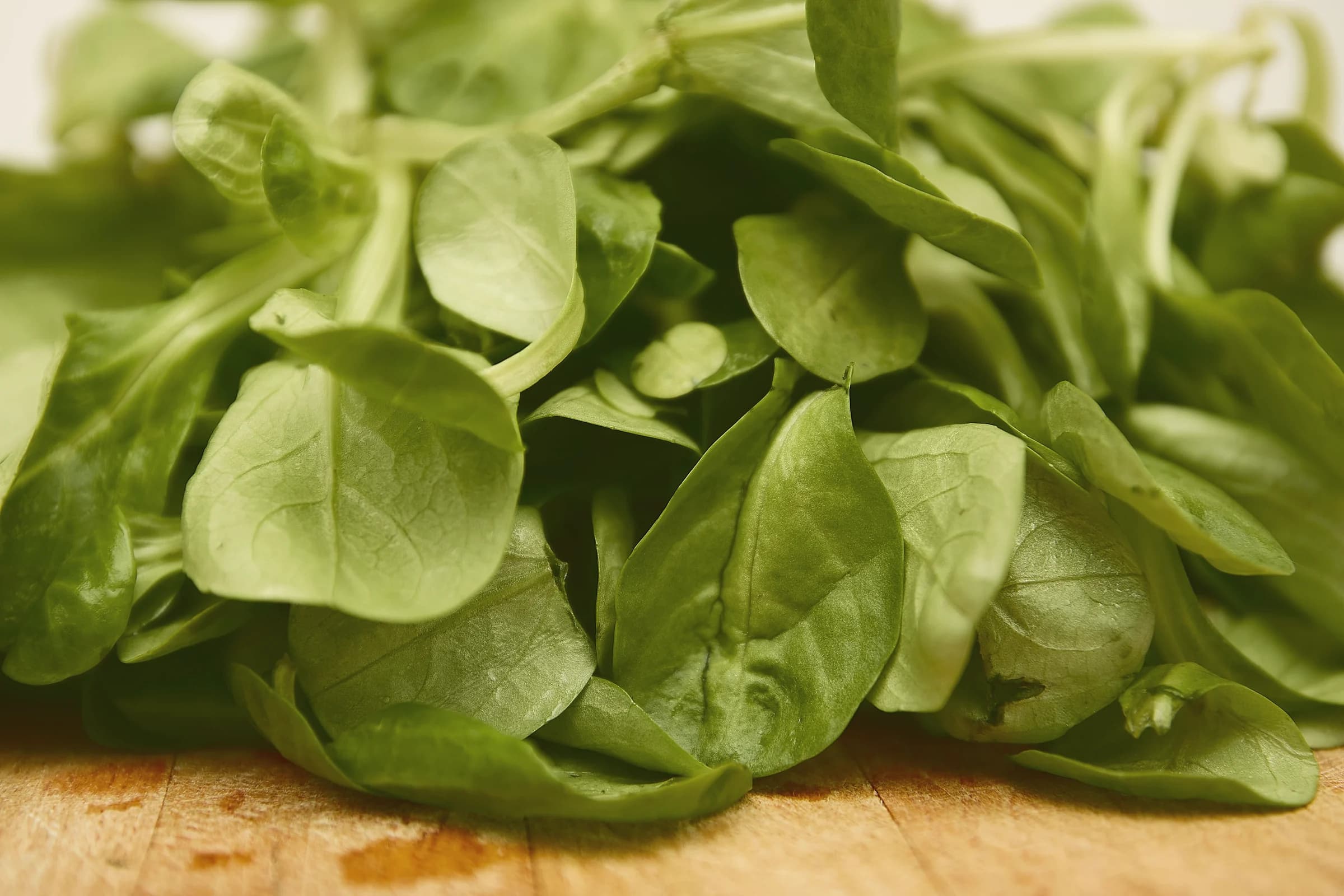
Not quite. Folate is the general name for vitamin B9, including the forms in food, and folic acid is the synthetic form used in supplements and fortified foods. Your body can use both, but the trials showing that folate supplements prevent spina bifida used folic acid, and so does the NHS pregnancy advice.
7 min read

Folic acid: doses, foods and side effects
There are no foods you have to avoid when taking folic acid. The NHS says to avoid or limit alcohol, which can affect how well it works, and one study suggests swallowing the tablet with water rather than tea.
10 min read

Liposomal vitamin C: is it better absorbed?
Liposomal vitamin C is ordinary vitamin C packed inside microscopic bubbles of phospholipid, the kind of fat cell membranes are made from. In ten small studies it usually raised blood levels more than plain vitamin C for a few hours, but every study had industry funding or authors working for companies, and none has shown it does more for your health.
5 min read

Vitamin A: food sources and safe limits
Most adults don't need a vitamin A supplement: the NHS says men need 700 µg a day and women 600 µg, and a varied diet provides it. Supplements carry real risks, so if you take one, keep your total from food and supplements to 1.5 mg (1,500 µg) a day or less, and avoid them in pregnancy.
10 min read

What does vitamin E do?
Vitamin E contributes to the protection of cells from oxidative stress, the one health claim allowed for it in Great Britain. Adults need only 3 to 4 mg a day, UK diets provide more than twice that on average, and deficiency is usually linked to a condition that affects how the body absorbs or handles fat.
9 min read
Zinc deficiency: the symptoms and the best foods
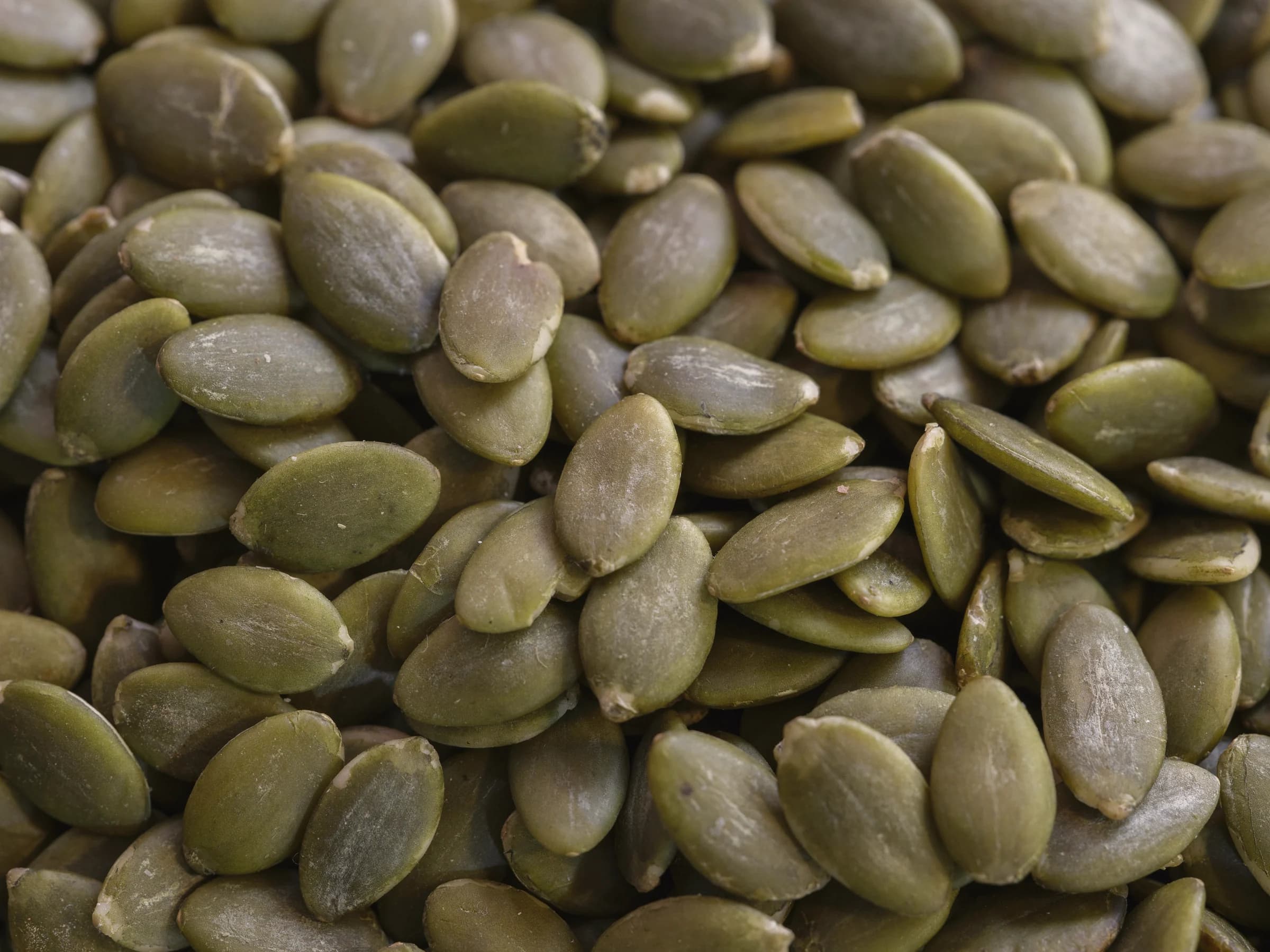
Signs of low zinc include a weaker sense of taste and smell, wounds that heal slowly, hair loss, rough skin or rashes, tiredness, poor appetite and more infections. Each has other causes, so a GP blood test is the way to find out. Red meat, shellfish, cheese, seeds, nuts, pulses and wholegrains are the main food sources.
10 min read

Iodine tablets and food sources in the UK
Iodine supplements give a small daily amount, while the potassium iodide tablets in the news are a medicine for a nuclear emergency and not a supplement. The NHS says adults need 140 µg of iodine a day, most people get it from milk, dairy, fish and eggs, and 0.5 mg or less a day from supplements is unlikely to cause harm.
8 min read

Chromium picolinate: uses and safety
Chromium picolinate is a supplement form of chromium, a trace mineral adults need only in tiny amounts. In Great Britain chromium can be said to contribute to normal macronutrient metabolism and to the maintenance of normal blood glucose levels. No claim for weight or appetite is authorised, and it isn't a treatment for diabetes.
7 min read
Thiamine tablets: what vitamin B1 does
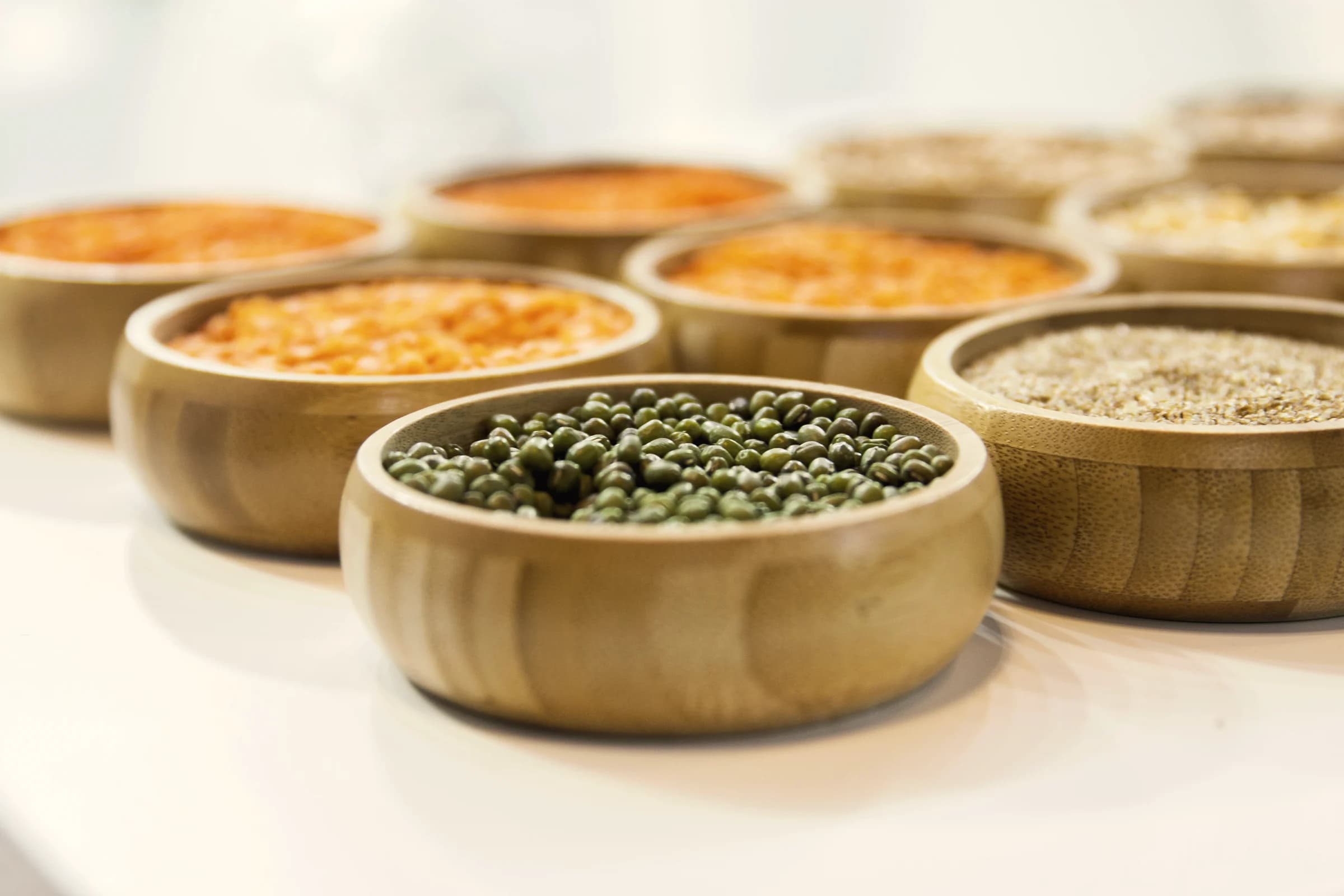
Thiamine is vitamin B1. Most adults need about 1 mg a day and get it from food, and the NHS says 100 mg or less a day from supplements is unlikely to cause harm. Thiamine 100 mg tablets can be a food supplement or a licensed medicine for treating deficiency, and doctors also give it to people who drink heavily.
7 min read

Choline and choline inositol, explained
Choline inositol pairs two different compounds, and only choline has authorised health claims in Great Britain. The NHS gives no amount for choline, but EFSA's adequate intake is 400 mg a day for adults and 480 mg in pregnancy, and eggs, meat, fish, beans and broccoli supply most of it.
12 min read
Gut and fibre
Psyllium husk: what it is and how to take it
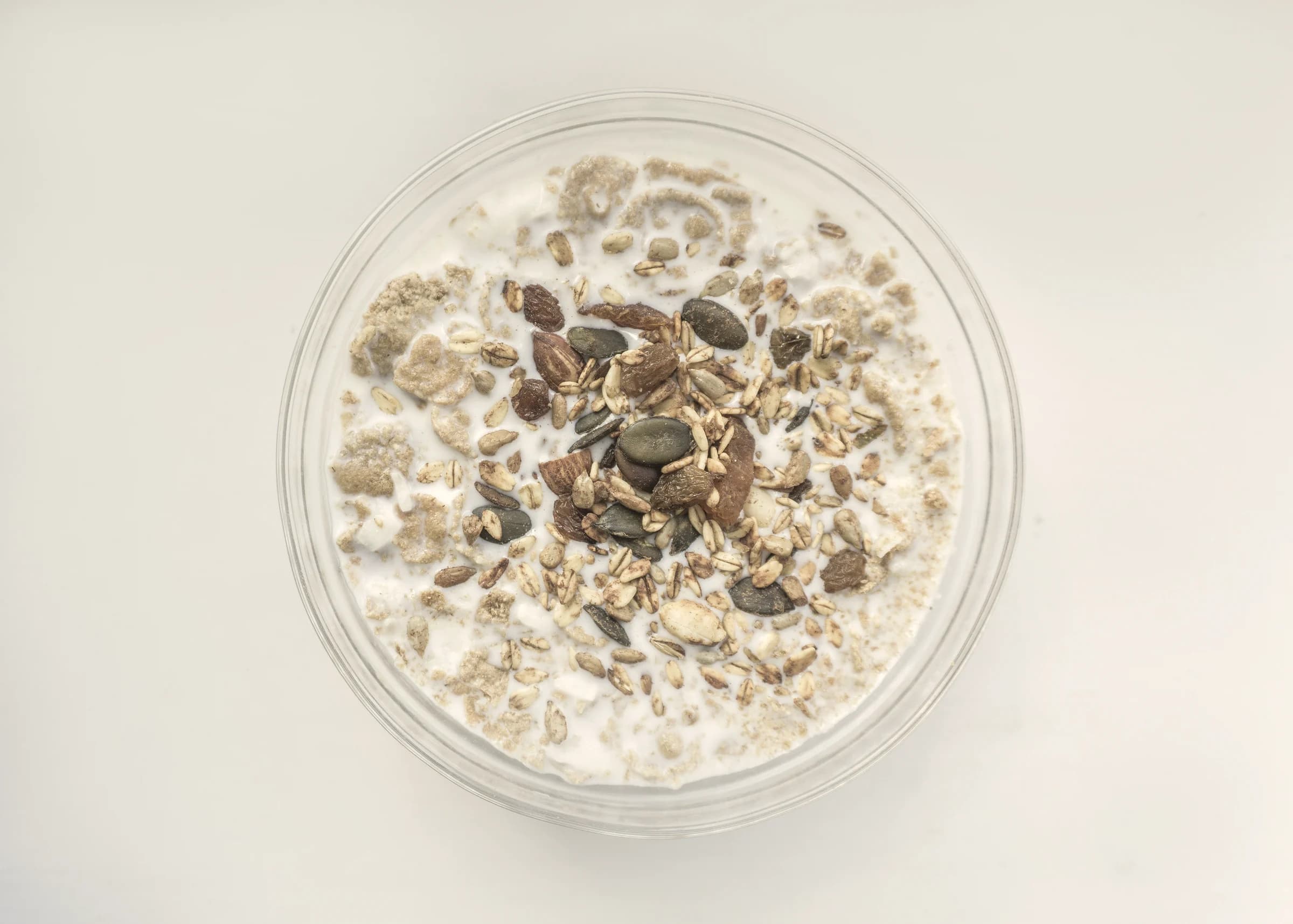
Psyllium husk is the seed coat of the Plantago ovata plant, a soluble fibre that soaks up water and turns to gel, sold in the UK both as a licensed laxative called ispaghula husk (Fybogel is one widely sold brand) and as a food supplement powder. Take it stirred into plenty of water, away from medicines and bedtime, and build up slowly.
11 min read
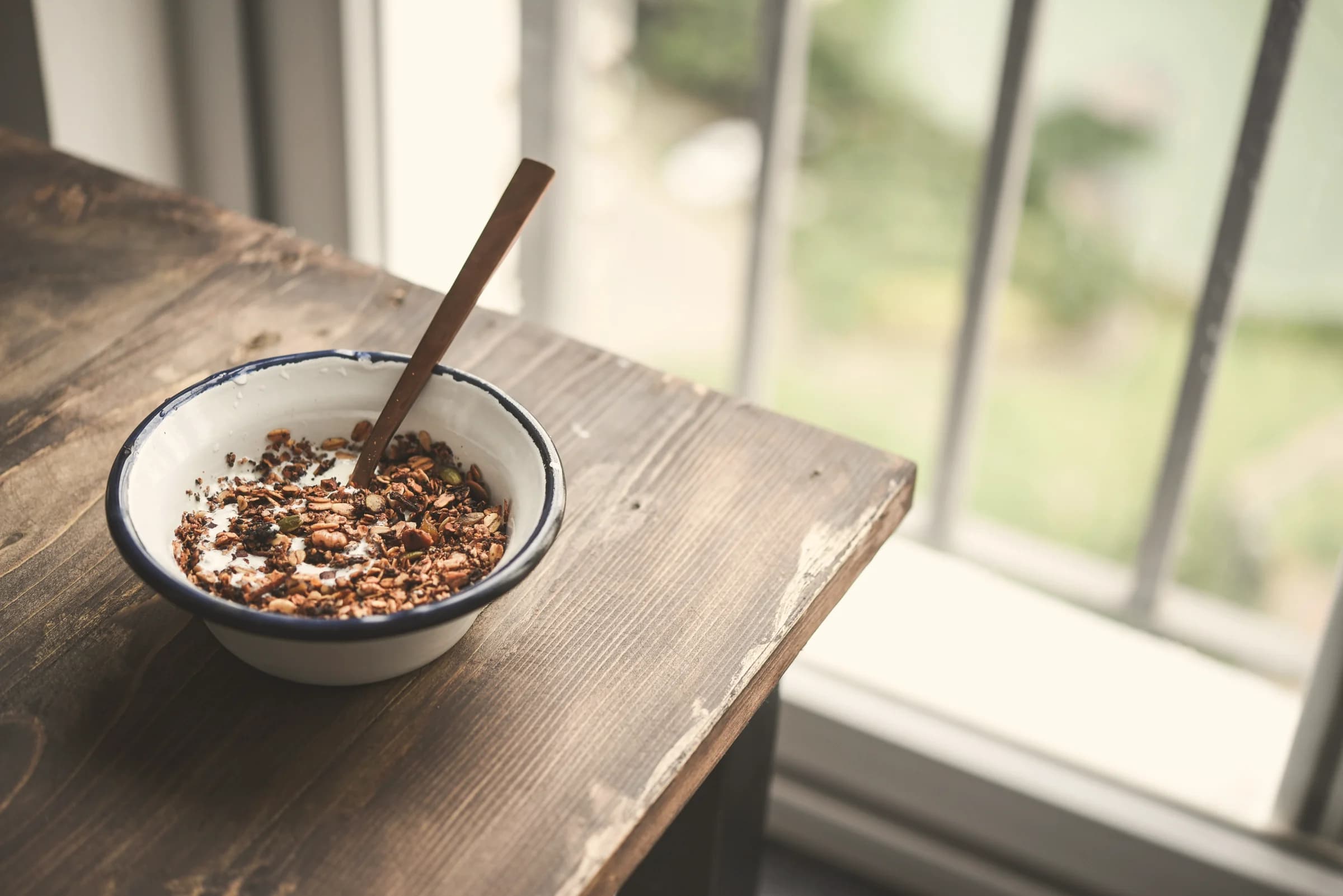
Does Greek yogurt have probiotics?
Usually, yes. All yogurt, Greek and Greek style included, is made by fermenting milk with live bacteria, and they stay alive unless the yogurt is heat-treated afterwards, so look for 'live cultures' on the pot. Whether those bacteria count as probiotics is a separate question.
9 min read
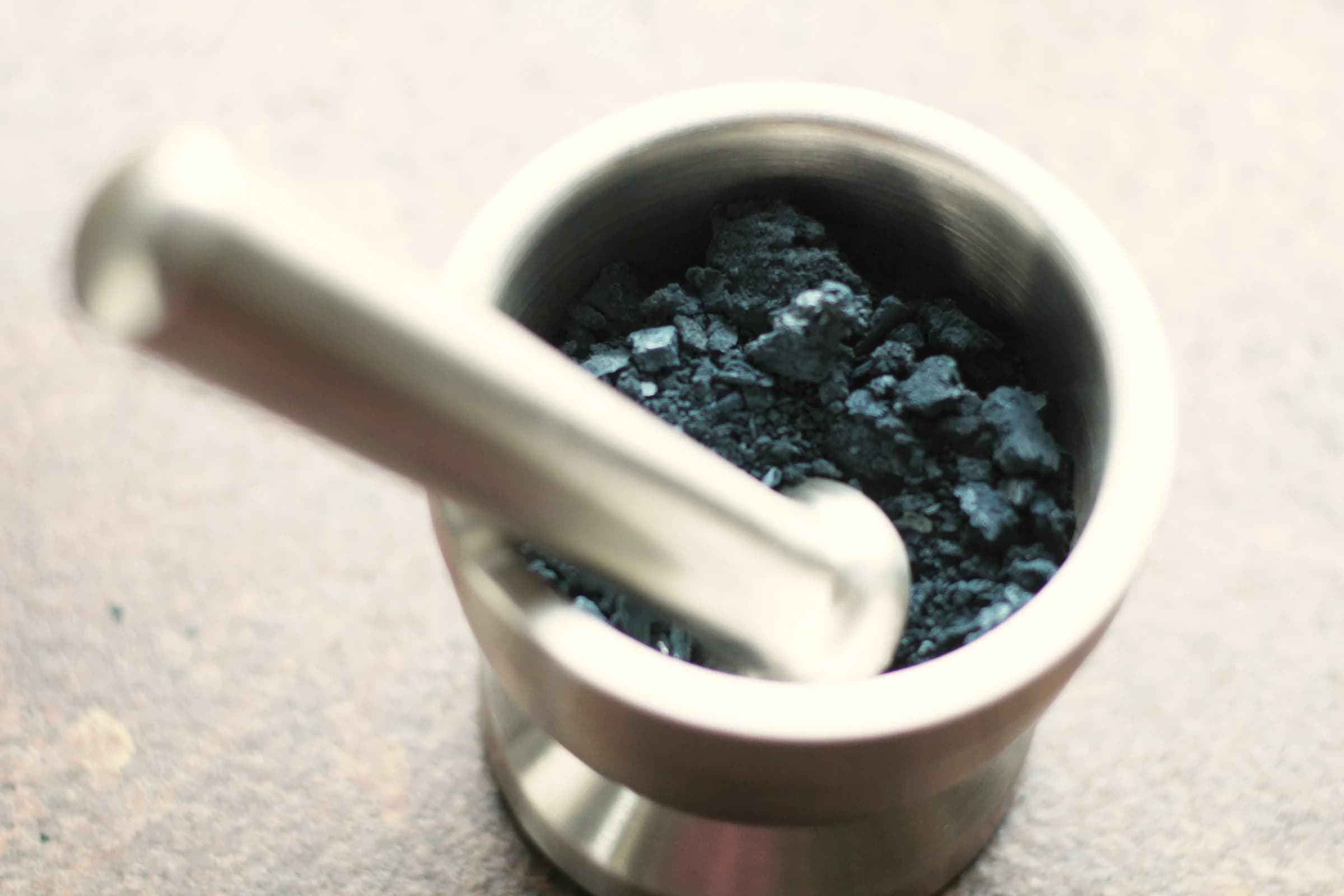
Activated charcoal tablets: uses and risks
Activated charcoal binds other substances to its surface in the gut, so less of them is absorbed. As a food supplement in Great Britain it has one authorised claim, for reducing excessive wind after eating, which needs 1 g at least 30 minutes before a meal and 1 g shortly after; keep it two hours apart from medicines and never use it to treat poisoning yourself.
7 min read
Sleep and mind

Glycine powder: what it does and where it's found
Glycine is the simplest amino acid. Your body makes it, and protein foods (gelatine above all) supply a few grams a day. The usual 3 g dose of glycine powder comes from three small sleep trials run by scientists at a Japanese amino acid company, and no health claim for glycine is authorised in Great Britain.
8 min read

Brain fog: symptoms, causes and how to clear it
Brain fog is an everyday name for forgetfulness, poor concentration, slow or effortful thinking and losing your words. It isn't a diagnosis. Poor sleep, stress, perimenopause, long COVID, low vitamin B12 and an underactive thyroid can all cause it, so clearing it starts with finding the cause.
6 min read

Always tired? Common causes and tests
Being tired all the time usually comes down to sleep, stress, diet and activity, or a big change such as a new baby or the menopause. If it has gone on for a few weeks with no clear reason, or comes with other symptoms, see a GP, who may do blood tests for anaemia, diabetes and thyroid problems.
10 min read

Can you buy melatonin in the UK?
Not over the counter. Melatonin is a prescription-only medicine in the UK, so no shop, website or pharmacy (Boots included) can sell it to you without a prescription, and the NHS says the melatonin supplements sold in other countries aren't authorised for sale here.
11 min read
Sport and training
Creatine for women: what it does and how much
Taken alongside resistance training, creatine gives women small extra gains in strength and lean mass, much as it does for men. The claims you'll see about menopause, bones, brain and mood are early research, and some of it has come back negative.
10 min read
How to take creatine: how much and when
The standard dose is 3 to 5 g of creatine monohydrate a day, every day, at whatever time suits you. Loading with about 20 g a day for a week fills your muscles faster but isn't necessary, and the evidence on taking it before or after training is too thin to plan around.
16 min read
Whey protein isolate vs concentrate
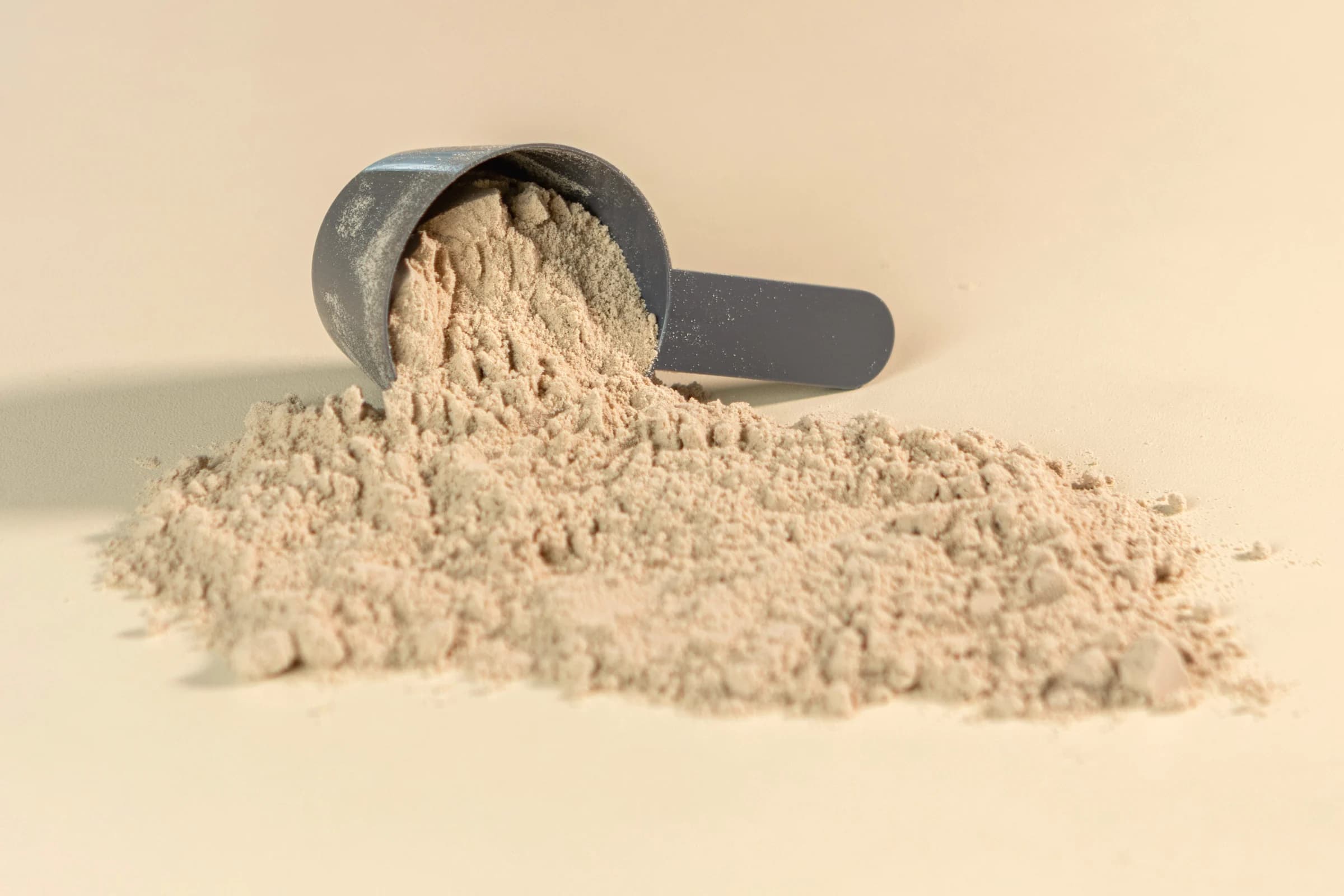
Whey protein isolate is whey that has been filtered until it is at least 90% protein by dry weight, so it carries less lactose and fat than a concentrate, which is usually 70 to 80% protein. Which suits you depends mostly on how well you handle lactose and on what 25 g of protein costs in each tub.
10 min read
What is whey protein, and who does it suit?
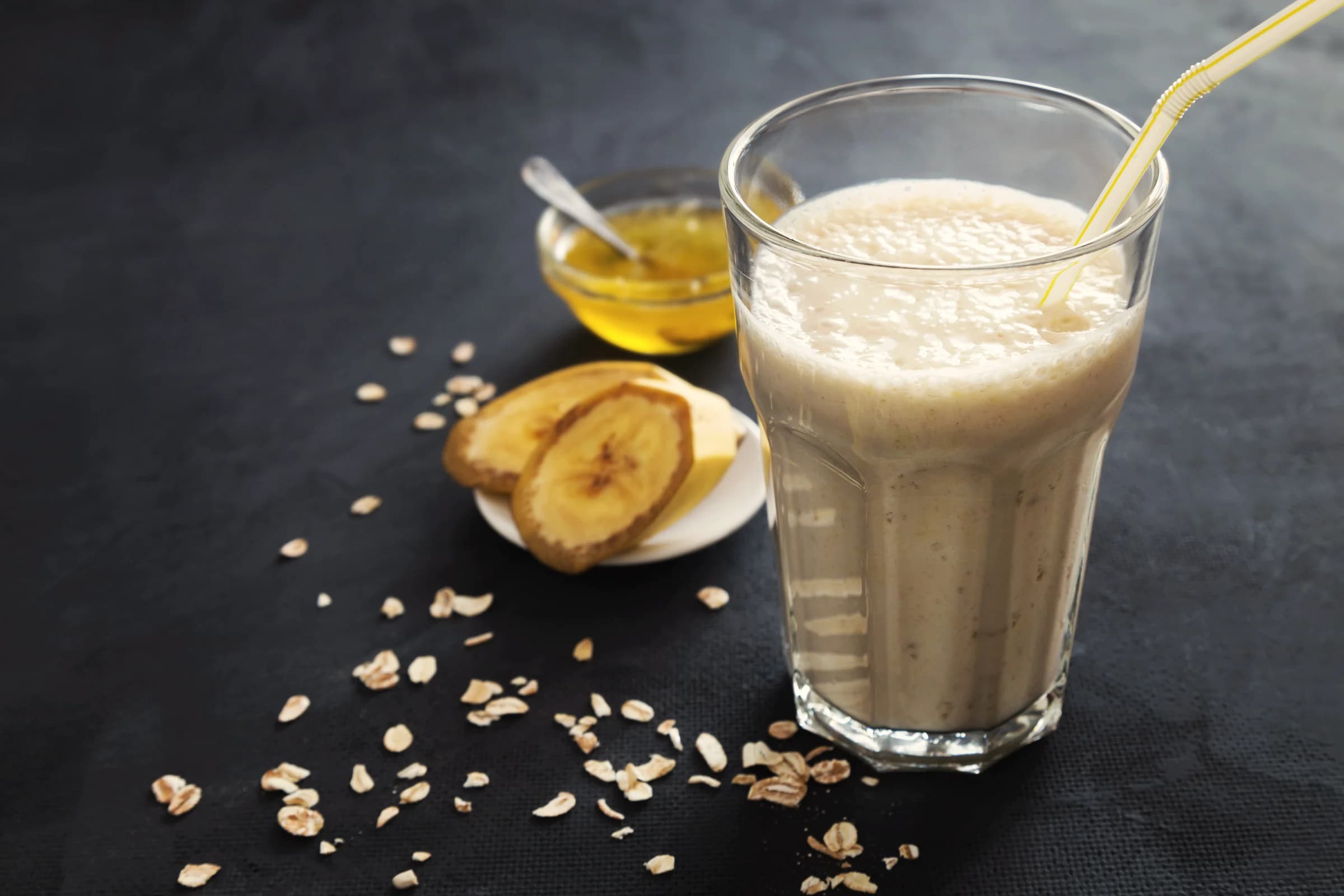
Whey protein is one of the two main proteins in milk, collected from the liquid left over when milk is curdled to make cheese, then filtered and dried into a powder. For most healthy adults it's a safe, convenient way to add protein, though if you eat enough you probably get all the protein you need from food.
9 min read
HMB supplements: what the research shows
HMB (beta-hydroxy-beta-methylbutyrate) is a compound your body makes in small amounts from the amino acid leucine, sold as a powder or capsules, usually at 3 g a day. Trials found small benefits in people new to training and in some older adults, and little or none in trained lifters. HMB has no authorised health claims in Great Britain.
6 min read
Beetroot capsules, powder and juice explained
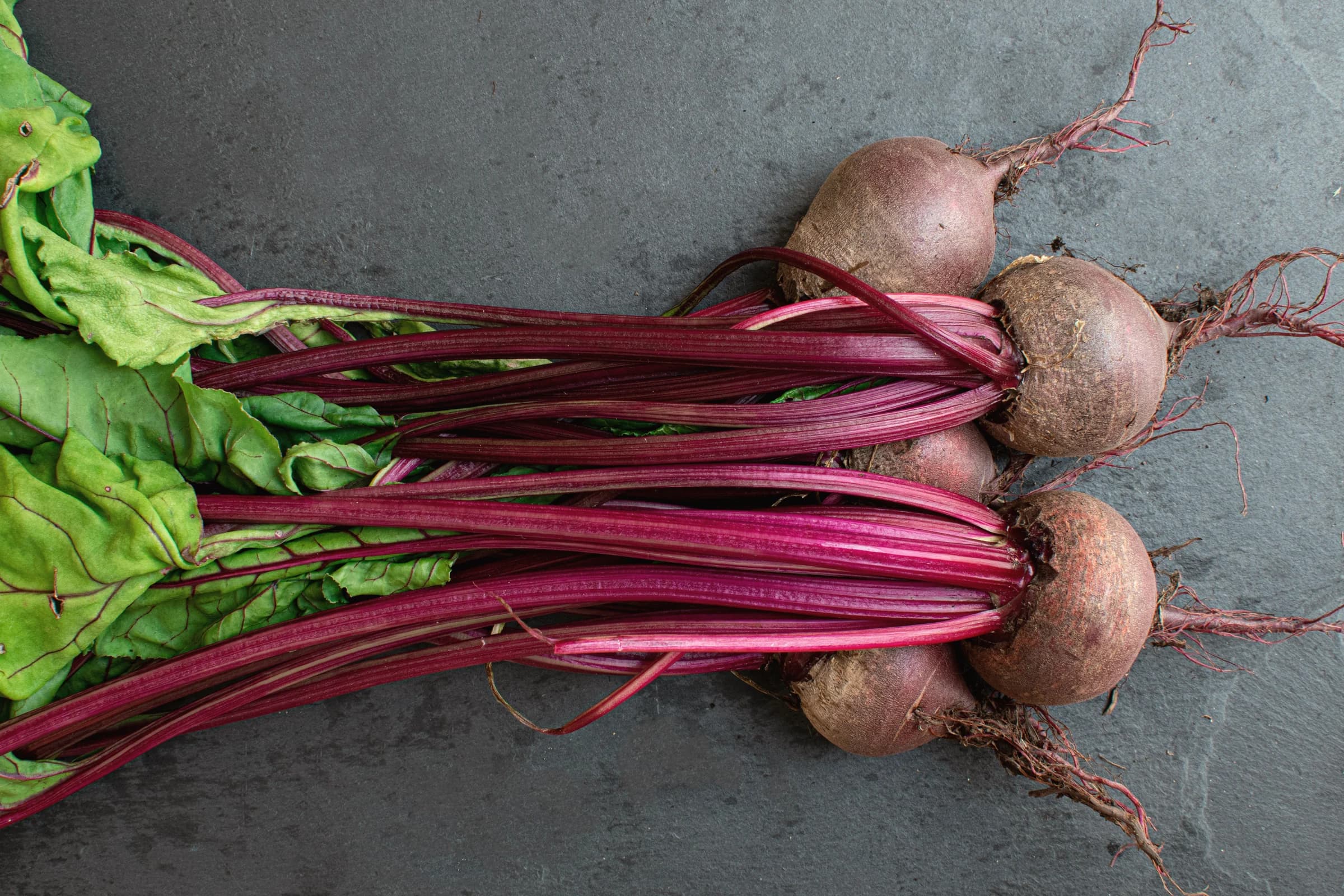
What researchers study in beetroot is its nitrate, and in testing, beetroot capsules and tablets usually contained less nitrate per daily dose than 100 g of fresh beetroot. Sport studies use 310 to 560 mg of nitrate, usually from juice, so look for a nitrate figure on the label, and check with your GP first if you take blood pressure medicine or have had kidney stones.
10 min read

Beta-alanine: dosage and the tingle
Beta-alanine is an amino acid your body uses to make carnosine, a compound in muscle that buffers acid. The International Society of Sports Nutrition describes 4 to 6 g a day, in doses of 2 g or less, for at least two to four weeks, and found no evidence that the tingling it causes is harmful.
6 min read

What is pre-workout, and is it safe?
Pre-workout is a powder or drink you take shortly before training, usually built around caffeine with beta-alanine, citrulline, creatine and taurine. In one analysis of best-sellers the average scoop held about 250 mg of caffeine, so the main risks are too much caffeine, stacking it with coffee or energy drinks, and products that contain undeclared or banned stimulants.
10 min read
What to eat before a workout
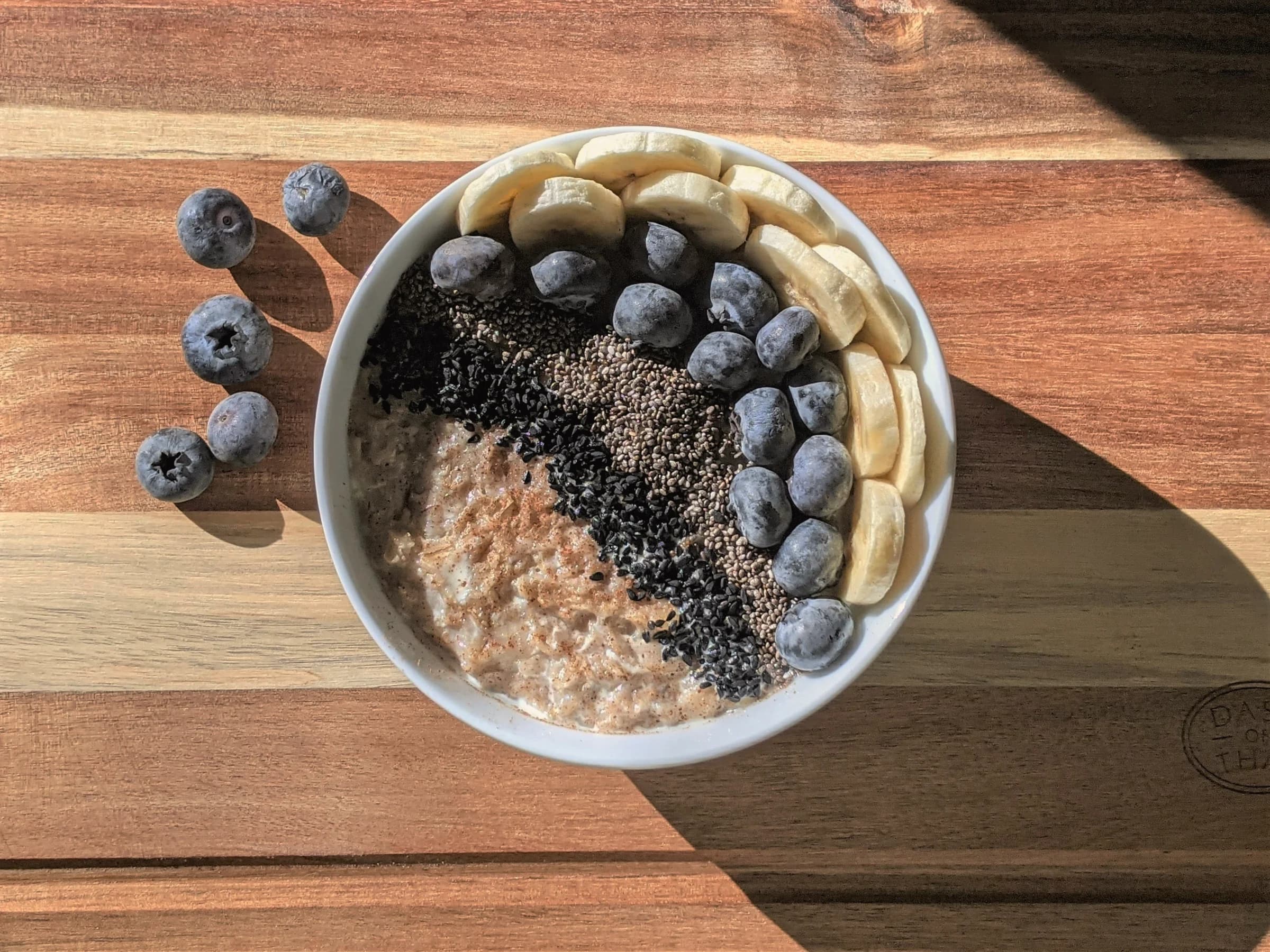
Eat a meal built on carbohydrate, with some protein, 3 to 4 hours before you train, or a lighter one 2 to 3 hours before. If you only have 30 to 60 minutes, keep it to a small snack that's mostly carbohydrate and low in fat and fibre, and start the session well hydrated.
7 min read

Muscle recovery supplements: the evidence
Protein, creatine and carbohydrate have authorised health claims in Great Britain that relate to muscle or exercise, each with conditions. Tart cherry, omega-3, HMB and beta-alanine have been studied, but none has an authorised claim. No supplement can claim to speed recovery or ease soreness.
10 min read

Taurine benefits: what the research says
Taurine is an amino sulfonic acid your body makes and you also eat, mostly in seafood and meat. Supplement trials, usually of 1 to 6 g, show small and uncertain effects on exercise, and no health claim for taurine is authorised in Great Britain.
8 min read
Citrulline malate and the 2:1 ratio question
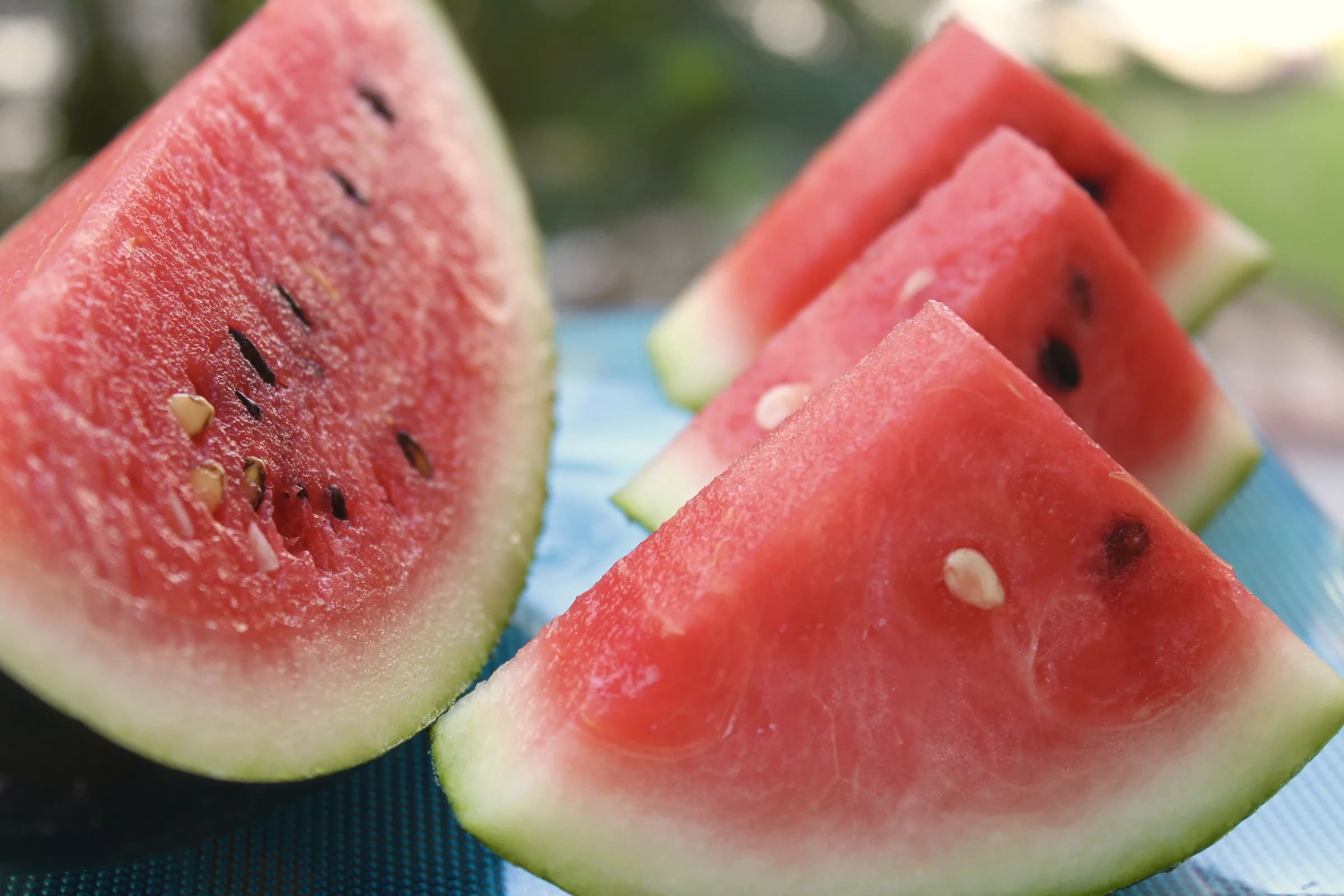
Citrulline malate is the amino acid L-citrulline bound to malate. Pooled exercise trials show a small average effect that reviewers rate as low certainty, and no health claim for citrulline is authorised in Great Britain.
7 min read

Tart cherry juice: what the research says
Tart cherry juice is made from sour cherries, usually Montmorency. The trials on sleep and muscle recovery are small and mixed, some were paid for by the cherry industry, and no health claim for tart cherry is authorised in Great Britain.
8 min read
Hydration
Do you need electrolytes, or is water enough?
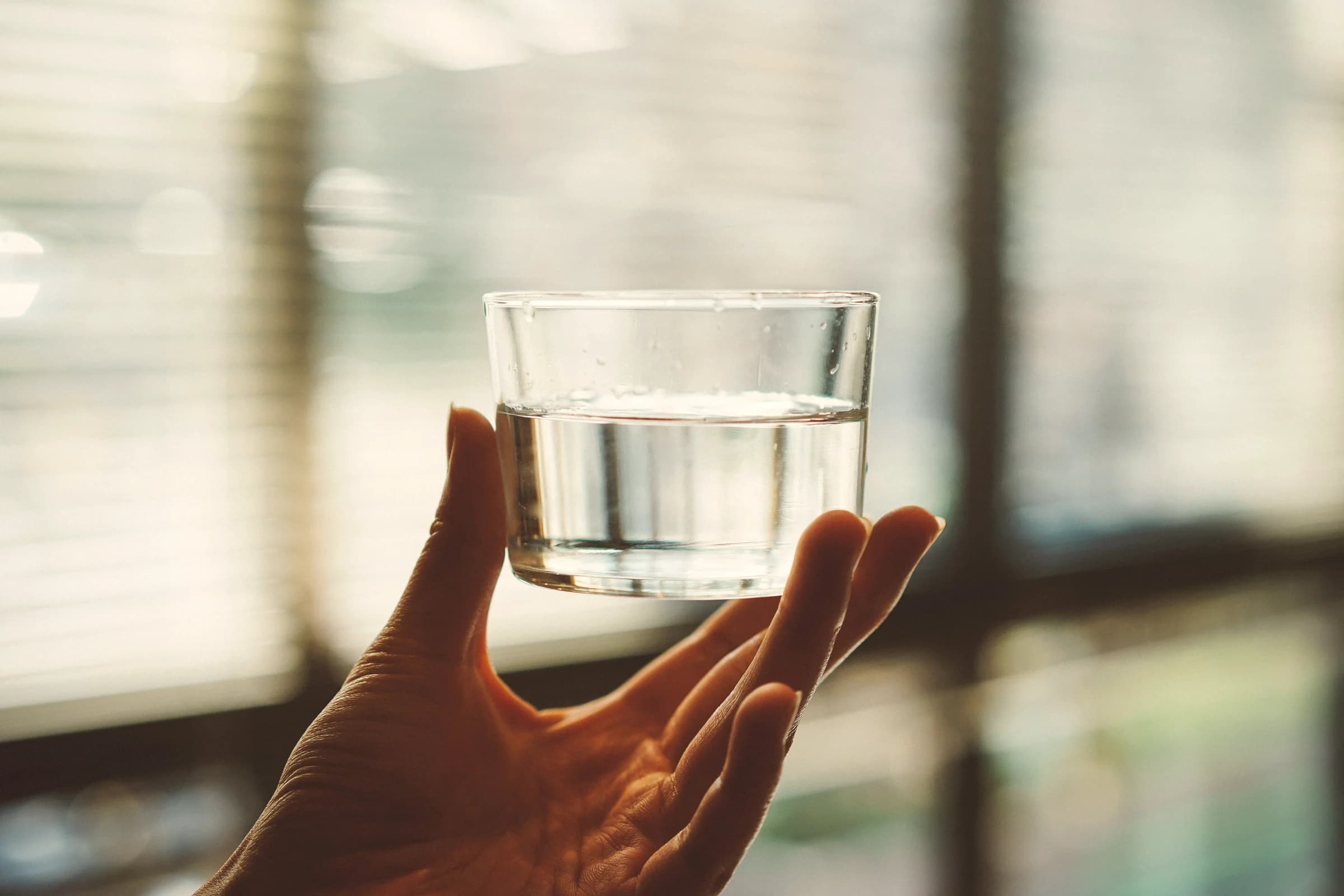
For most people on most days, water and normal meals cover your electrolytes, and UK adults already eat more salt than recommended. Electrolyte drinks earn their place in a few situations: long or hot sessions with heavy sweating, hours of work in serious heat, and (as pharmacy oral rehydration solution) sickness or diarrhoea.
16 min read

How much water should you drink a day?
The NHS suggests 6 to 8 cups or glasses of fluid a day, and water, milk, tea and coffee all count. The British Dietetic Association puts that at about 1.6 litres of drinks a day for women and 2 litres for men, with food supplying the rest of the 2 and 2.5 litres of total water that European reference values set.
7 min read
Herbs and botanicals

Elderberry syrup: the research and how to make it
Elderberry syrup is a cooked, sweetened syrup of black elderberries. Small trials on colds and flu disagree with each other, no health claim for elderberry is authorised in the UK, and the berries have to be ripe, stripped of their stems and cooked, because raw elder can make you ill.
9 min read

Spirulina and blue spirulina explained
Blue spirulina is a colour extract: the blue pigment phycocyanin, pulled out of spirulina and left with few of its other nutrients. Spirulina itself is a dried cyanobacterium sold as green powder or tablets; it has no authorised health claim in Great Britain, the trials are small, and the safety questions are contamination, B12 and a few medical conditions.
9 min read
Joints and bones
Calcium rich foods: a UK list
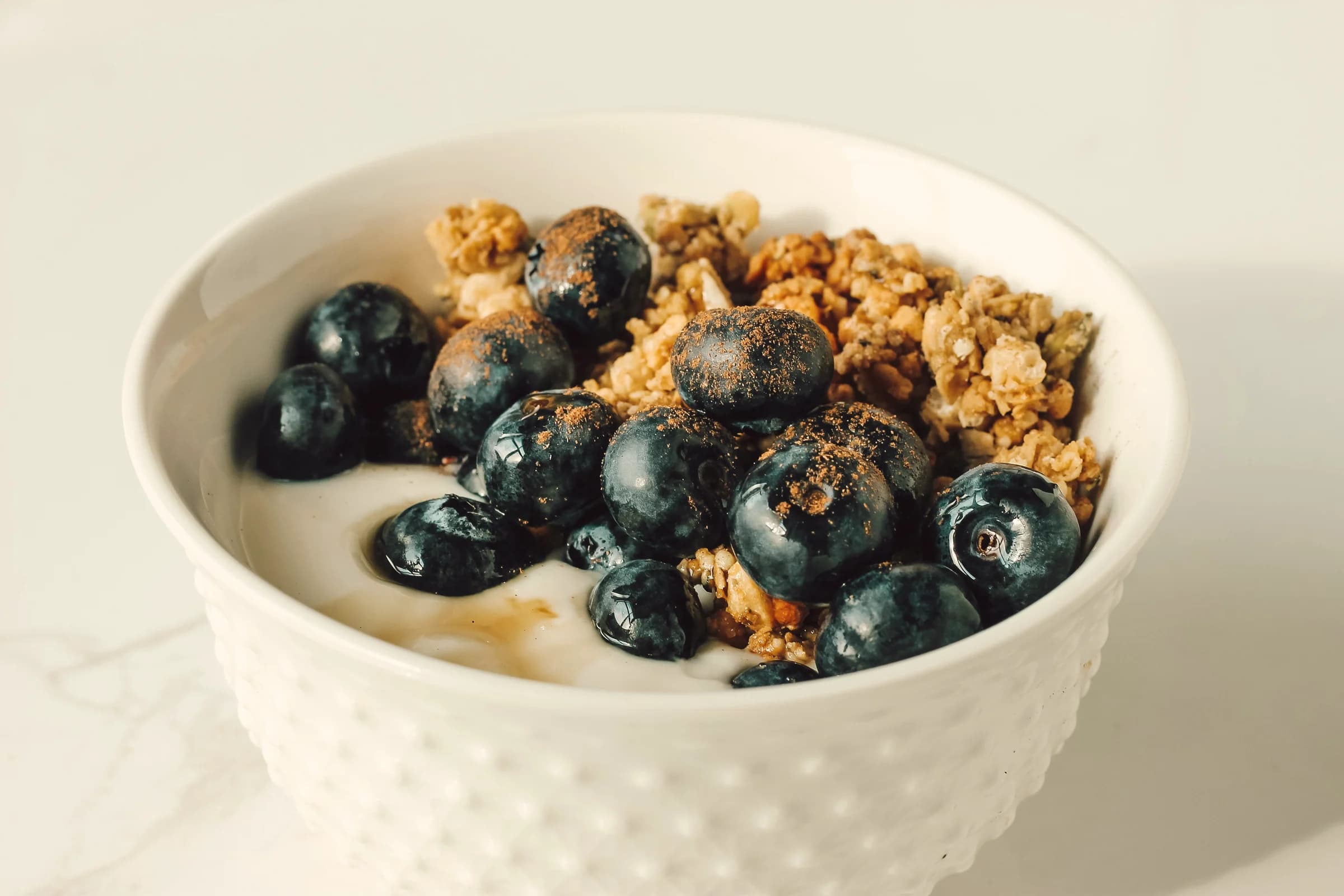
A glass of milk, a pot of yoghurt or a glass of fortified soya drink gives about 240 mg of calcium, a third of the 700 mg an adult needs, and half a tin of sardines eaten with the bones gives a little more. Oat milk only counts if it's fortified, and low calcium on a blood test is a medical finding for a GP to explain, because diet is rarely the cause.
11 min read
Heart and circulation
CoQ10: ubiquinol or ubiquinone?
CoQ10 is a compound your body makes for itself, and no health claim for it is authorised in Great Britain. If you take a supplement, take it with a meal, don't assume the ubiquinol form works better, and talk to your GP or pharmacist first if you're on a statin or warfarin.
9 min read
Skin, hair and nails
Collagen supplements: what they do and how much
Collagen is a protein supplement with no authorised health claims in Great Britain, and there's no good evidence that it helps with weight loss. Pooled trials report small benefits for skin and joints, though the independent and higher-quality skin trials have found no effect.
13 min read
Free tools

Sleep calculator
Enter the time you need to wake up and get bedtimes that fit whole sleep cycles, or enter a bedtime and get wake-up times. Each option is checked against the 7 to 9 hours the NHS says most adults need.

Caffeine calculator
Add up the caffeine in a normal day of coffee, tea, cola, energy drinks and chocolate, and see how it compares with UK and European limits. Every figure comes from the NHS, EFSA, a UK study or the drink's own UK label.
Protein calculator
Enter your weight in kilograms or stone and see how much protein you need a day: the UK reference amount, and the higher ranges research suggests if you train regularly or are over 65.

Fibre calculator
Add up the fibre in a normal day of everyday UK foods and see how close you come to the 30 g a day the UK recommends for adults. Figures come from the UK's official food composition data, per typical portion.
Creatine calculator
Work out a daily creatine dose, or a loading dose scaled to your weight, and how much water it takes to dissolve. The numbers come from the International Society of Sports Nutrition's position stand and published solubility data.

Vitamin unit converter
Convert micrograms, milligrams and grams, or switch vitamin D, A and E between international units (IU) and mcg or mg. Each result is shown next to the NHS daily amounts for that vitamin.
This guide is general information, not medical advice. If you have a medical condition, take prescription medicines, or are pregnant or breastfeeding, speak to your GP or pharmacist before starting a supplement.
This product is a food supplement intended for use by adults aged 18 and over. It is not intended to diagnose, treat, cure, or prevent any disease. Consult a qualified healthcare professional before use, particularly if pregnant, breastfeeding, or taking medication. Individual results vary.