Does Greek yogurt have probiotics?
Usually, yes. All yogurt, Greek and Greek style included, is made by fermenting milk with live bacteria, and they stay alive unless the yogurt is heat-treated afterwards, so look for 'live cultures' on the pot. Whether those bacteria count as probiotics is a separate question.
By The Natura teamUpdated 9 min read
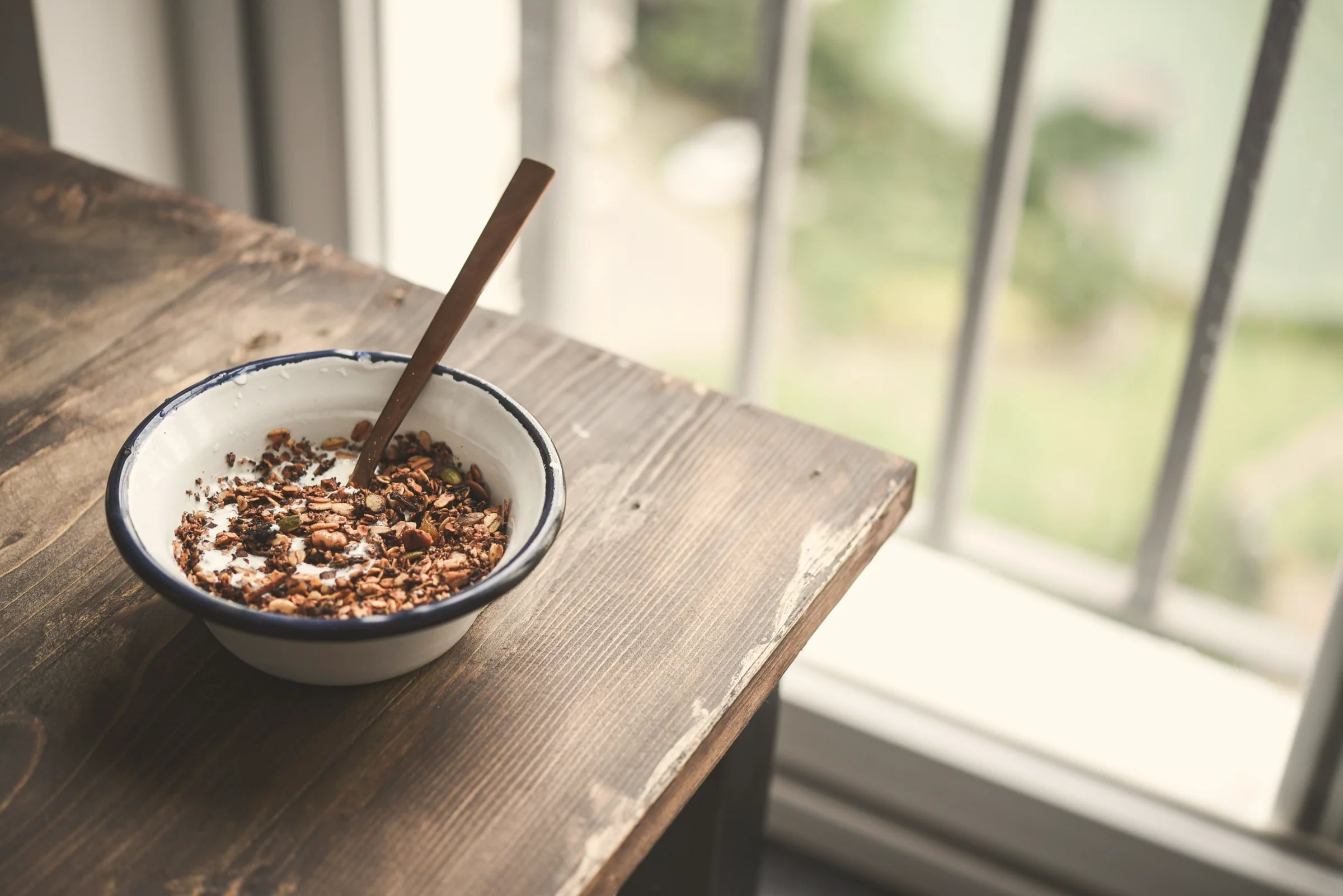
Does Greek yogurt have probiotics?
Usually it contains live bacteria, yes. All yogurt is made by fermenting milk with two bacteria, Streptococcus thermophilus and Lactobacillus delbrueckii subsp. bulgaricus, the pair named in the international food standard for yogurt. Those cultures stay alive in the pot unless the yogurt is heat-treated after fermentation, which kills them. The British Dietetic Association's advice is to check that the label says it "contains live or active cultures".
Whether to call those bacteria probiotics depends on who's asking. An international expert panel says the word should be kept for well-characterised microbes with a demonstrated health benefit, and in 2021 it suggested that a fermented food with live microbes should say "contains live and active cultures" rather than "probiotic", unless a probiotic strain has been added. In UK advertising, the word "probiotic" is itself treated as a health claim, and no probiotic has an authorised one.
Yogurt cultures do have one authorised claim. In Great Britain, a yogurt or fermented milk containing at least 100 million live colony forming units of those two starter bacteria per gram can say: "Live cultures in yoghurt or fermented milk improve lactose digestion of the product in individuals who have difficulty digesting lactose." It's the only authorised GB health claim involving live bacteria, and it covers digesting the lactose in the yogurt itself.
Does Greek style yogurt have probiotics?
The same answer applies. "Greek" and "Greek style" describe a thick yogurt and, often, where it was made. Neither word tells you about the bacteria. Both start as yogurt fermented with live cultures, so check the pot for "live cultures", look for any extra strains named in the ingredients, and make sure it doesn't say it's been heat-treated.
What is live yoghurt?
Live yoghurt, also written live yogurt or live culture yogurt, is yoghurt that still contains the living bacteria used to make it. These are the two starter bacteria named above, and they stay alive unless the yoghurt is heat-treated after fermentation. The BDA advises choosing pots that say "contains live or active cultures", and storing them as the label says, because storage affects how many live bacteria are left. Live is not the same as probiotic. The NHS describes probiotics as usually added to yoghurts, and says there is little evidence to support many of the health claims made about them. The authorised lactose claim quoted above applies only to yoghurt with at least 100 million live starter bacteria per gram.
Which yogurt has the best probiotics?
No single yogurt is best. Look for:
- "live" or "contains live cultures" on the label
- any added strains named in the ingredients, ideally with a strain code, if the yogurt is sold on its extra cultures (our probiotics guide explains why the strain matters)
- plain yogurt, which the NHS says is a good choice because it usually has no added sugars; check flavoured pots for added sugar and saturated fat
- a pot kept in the fridge and eaten before its date, since the BDA notes that storage affects how many live bacteria are left
What is kefir, and is a kefir drink good for you?
A kefir drink is a fermented milk made with a mix of bacteria and yeasts, so it usually contains a wider range of microbes than yogurt. An international expert panel puts the count at up to 100 billion lactic acid bacteria in a single serving of many live yogurts and kefirs. Whether that makes it better for you is unclear. A 2025 meta-analysis of seven trials with 385 adults found kefir made no significant difference to blood pressure or to C-reactive protein, a marker of inflammation (Rashidbeygi and colleagues), and a 2026 review of eight human studies found only modest, mixed changes in gut bacteria (Hamsho and colleagues). The BDA adds that kefir and kombucha may contain helpful microorganisms but aren't considered probiotics, because there's too little evidence about their health effects. Check flavoured bottles for sugar, since the NHS says adults should have no more than 30 g of free sugars a day.
What foods have probiotics?
Fermented foods that haven't been heat-treated after fermentation contain live microbes. This table shows how common fermented foods sold in the UK compare, following the classification in the 2021 expert consensus on fermented foods.
| Food | Live microbes? | What to check |
|---|---|---|
| Live yogurt, Greek and Greek style included | Yes, unless heat-treated after fermentation | "Live" or "contains live cultures" on the pot |
| Kefir | Yes | That it's kept chilled |
| Sauerkraut and kimchi | Only if not heat-treated or pasteurised | "Unpasteurised" or "raw" on the jar |
| Miso | Yes | Stir it in at the end of cooking, off the boil |
| Kombucha | Most, but some are heat-treated | The label, and the sugar |
| Most cheeses | Yes | The pregnancy advice below |
| Tempeh | Yes, but it's usually cooked | Treat it as a food, not a source of live microbes |
| Sourdough and other bread | No, baking kills them | Nothing |
| Vegetables pickled in vinegar | No, they aren't fermented | Nothing |
| Soy sauce, wine and most beers | No | Nothing |
Pasteurised or raw sauerkraut
Sauerkraut and kimchi are both cabbage fermented by lactic acid bacteria, and the same species start the process in each. Raw, unpasteurised versions still contain those bacteria. Pasteurised jars don't, although they're still fermented foods. If a jar isn't sold chilled, check whether it's been pasteurised. Both can be salty, so check the salt on the label too.
Kombucha
Kombucha is sweetened tea fermented with bacteria and yeasts. Most kombuchas contain live microbes, but some are heat-treated. See the next sections for what research says about it.
Cheese
Most cheeses contain live microbes. If you're pregnant, the NHS says hard cheeses such as cheddar and parmesan are fine, while soft mould-ripened cheeses such as brie, soft blue cheeses and anything made from unpasteurised milk must be cooked thoroughly first. Pasteurised yogurt is fine in pregnancy; unpasteurised milk and yogurt should be avoided.
Does heat kill probiotics?
Yes. Heat kills the bacteria and yeasts in fermented foods. Bread is baked after it's fermented, which kills the microbes, and fermented foods that are pasteurised or heat-treated afterwards contain none. The same happens in your kitchen: stir live yogurt into a curry or miso into soup at the end, off the heat, if you want the cultures to survive.
Heat-treated foods still count as fermented foods, and the expert panel suggests describing them as "made by fermentation".
Are fermented foods good for you?
They can be a good part of a varied diet, but the evidence for specific health effects is thin outside yogurt. The 2021 consensus notes that, apart from yogurt and other cultured dairy foods, few well-designed trials of fermented foods have been published.
In a 2021 US trial lasting 17 weeks, with 18 healthy adults in each group, a diet high in fermented foods steadily increased the variety of bacteria in participants' guts and lowered several markers of inflammation. It was small, and it tested a whole diet rather than any one food.
Guts UK, the digestive health charity, advises that if you have a healthy gut and no digestive symptoms, you eat a variety of plant foods rather than taking a probiotic.
Is kombucha good for you?
It's too early to say, because there is very little research in people. A 2019 systematic review searched the literature and found one study of kombucha in humans, and called for clinical trials (Kapp and Sumner). The 2021 expert consensus says the evidence for health promotion is mostly limited to chemical analyses and animal and cell studies. A few small trials have appeared since. In a 10-week trial of 59 adults with excess body weight on a reduced-calorie diet, 200 ml a day of green tea kombucha did not increase weight loss, though some markers of inflammation differed between the groups (Fraiz and colleagues, 2024).
What are the benefits of kombucha, and what is it good for?
The benefits printed on bottles, such as better gut health, haven't been shown in good trials in people, so it is best seen as a tea-based fermented drink. Most kombuchas contain live microbes and some are heat-treated, so check the label. Many are also sweetened: the NHS says adults should have no more than 30 g of free sugars a day.
What are gut friendly foods?
Fibre-rich foods and a wide mix of plants are the best-supported choices, with fermented foods as an extra. The NHS says adults should aim for 30 g of fibre a day, and that fibre helps digestion and prevents constipation. Its examples include wholegrain cereals, wholemeal bread, brown rice, potatoes with the skins on, pulses, fruit, vegetables and unsalted nuts or seeds. The BDA names onions, garlic, asparagus, artichoke and chicory root as sources of prebiotics, the fibre that feeds gut bacteria.
Variety may matter too. In a US citizen-science study, people who ate more than 30 different plants a week had a more diverse gut microbiome than those who ate fewer than 10, although diets were self-reported and the study can't show cause (McDonald and colleagues, 2018). Fermented foods can add to the mix: a 2025 review of 25 studies found they improved how often people opened their bowels and the consistency of stools, with mostly low-certainty evidence (Mukherjee and colleagues). Our fibre calculator shows how your day compares with 30 g.
Where Natura fits
Daily Gut, in the Natura cabinet (coming soon), is one capsule a day containing Lacticaseibacillus rhamnosus at 10 billion CFU, with fructooligosaccharide (FOS) fibre. It will be sold as a single bottle and in the Gut Pack, and it has no authorised health claim. For people with healthy guts, the advice above is to start with food. If you're weighing up a supplement, read our guide to how long probiotics take to work first, including who should ask a doctor before taking one.
Common questions
Is eating Greek yogurt as good as taking probiotics?
They aren't the same thing. Live yogurt carries two starter bacteria and sometimes extra strains, while a supplement carries specific strains at a stated dose. For healthy people, the BDA says a probiotic supplement is unlikely to help, and Guts UK recommends a varied diet instead. Yogurt also gives you protein and calcium, which the NHS counts towards a balanced diet.
Is it good to eat Greek yogurt every day?
It can be part of a healthy, balanced diet. The NHS describes yogurt as a good source of protein and calcium, but says dairy foods can be high in saturated fat, so it suggests lower-fat options and checking the label for added sugar. Plain lower-fat yogurts usually have no added sugars. Thick Greek-style yogurts vary a lot, so compare labels.
Does sourdough bread have probiotics?
No. Sourdough is fermented by bacteria and yeasts before baking, but the 2021 expert consensus on fermented foods notes that baking kills the fermentation microbes, so the finished bread contains no live cultures. It's still a fermented food, and the consensus suggests such foods be described as 'made by fermentation' rather than as containing live cultures.
Does cooking kill the probiotics in yogurt and miso?
Heat kills the live cultures in both. If you want them to survive, stir live yogurt into a hot dish or miso into soup at the end, off the heat, rather than letting it boil. The food is still nutritious after cooking: you lose the live microbes, not the protein, calcium or flavour. Miso and some other fermented foods are salty, so watch the amount.
Is kefir better than yogurt for probiotics?
Kefir is made with a mixed culture of bacteria and yeasts, so it usually contains a wider range of microbes than yogurt, which is made with two starter bacteria. That doesn't make it better for your health. The BDA notes that kefir isn't considered a probiotic because there's too little evidence on its effects. Both can be part of a varied diet.
Are probiotic foods safe in pregnancy?
Most are. The NHS says pasteurised yogurt and hard cheeses such as cheddar are fine. Avoid unpasteurised milk and yogurt, and cook soft mould-ripened cheeses like brie, soft blue cheeses and anything made from unpasteurised milk thoroughly before eating. You don't need probiotic foods in pregnancy, so if you're unsure about one, ask your midwife.
Sources
- Marco et al. (2021), Nature Reviews Gastroenterology and Hepatology: ISAPP consensus statement on fermented foods
- British Dietetic Association: Probiotics food fact sheet
- NHS: Probiotics
- GOV.UK: Great Britain nutrition and health claims (NHC) register
- ASA/CAP advice: Food, probiotic claims
- Hill et al. (2014), Nature Reviews Gastroenterology and Hepatology: ISAPP consensus on the term probiotic
- NHS: Dairy and alternatives in your diet
- NHS: Foods to avoid in pregnancy
- NHS: How to get more fibre into your diet
- NHS: How does sugar in our diet affect our health?
- McDonald et al. (2018), mSystems: American Gut, an open platform for citizen science microbiome research
- Mukherjee et al. (2025), Front Nutr: fermented foods and gastrointestinal wellbeing in healthy adults, systematic review and meta-analysis
- Rashidbeygi et al. (2025), Endocrinol Diabetes Metab: kefir, blood pressure and C-reactive protein, systematic review and meta-analysis
- Hamsho et al. (2026), MicrobiologyOpen: kefir and gut microbiota, systematic review of human interventional studies
- Kapp and Sumner (2019), Ann Epidemiol: kombucha, a systematic review of the empirical evidence of human health benefit
- Fraiz et al. (2024), Nutrients: green tea kombucha, inflammation and salivary microbiota in people with excess body weight
- Wastyk et al. (2021), Cell: gut-microbiota-targeted diets and immune status
- Guts UK: Prebiotics and probiotics
This guide is general information, not medical advice. If you have a medical condition, take prescription medicines, or are pregnant or breastfeeding, speak to your GP or pharmacist before starting a supplement.
This product is a food supplement intended for use by adults aged 18 and over. It is not intended to diagnose, treat, cure, or prevent any disease. Consult a qualified healthcare professional before use, particularly if pregnant, breastfeeding, or taking medication. Individual results vary.
Further reading
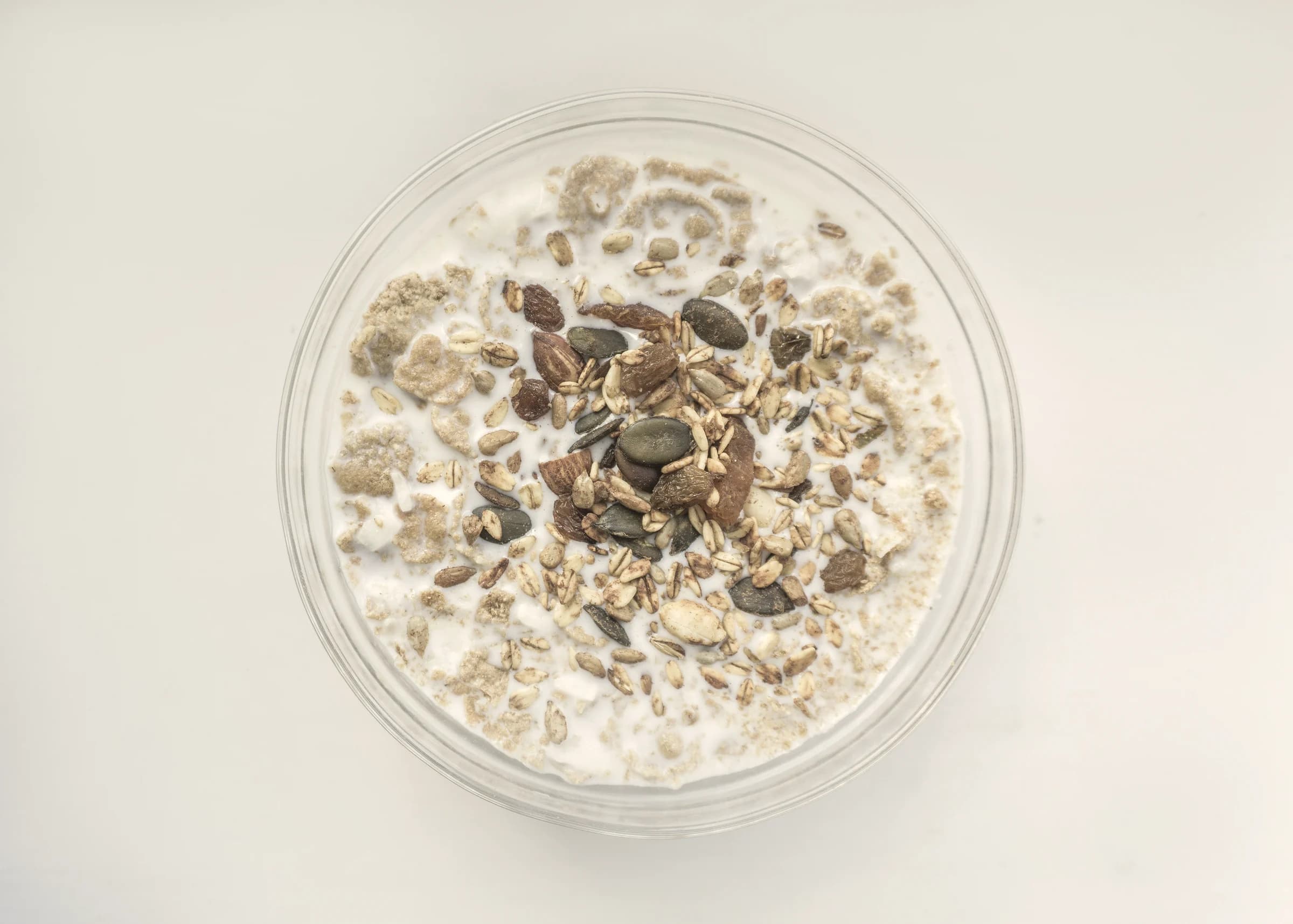
Gut and fibre
Psyllium husk: what it is and how to take it
Psyllium husk is the seed coat of the Plantago ovata plant, a soluble fibre that soaks up water and turns to gel, sold in the UK both as a licensed laxative called ispaghula husk (Fybogel is one widely sold brand) and as a food supplement powder. Take it stirred into plenty of water, away from medicines and bedtime, and build up slowly.
11 min read
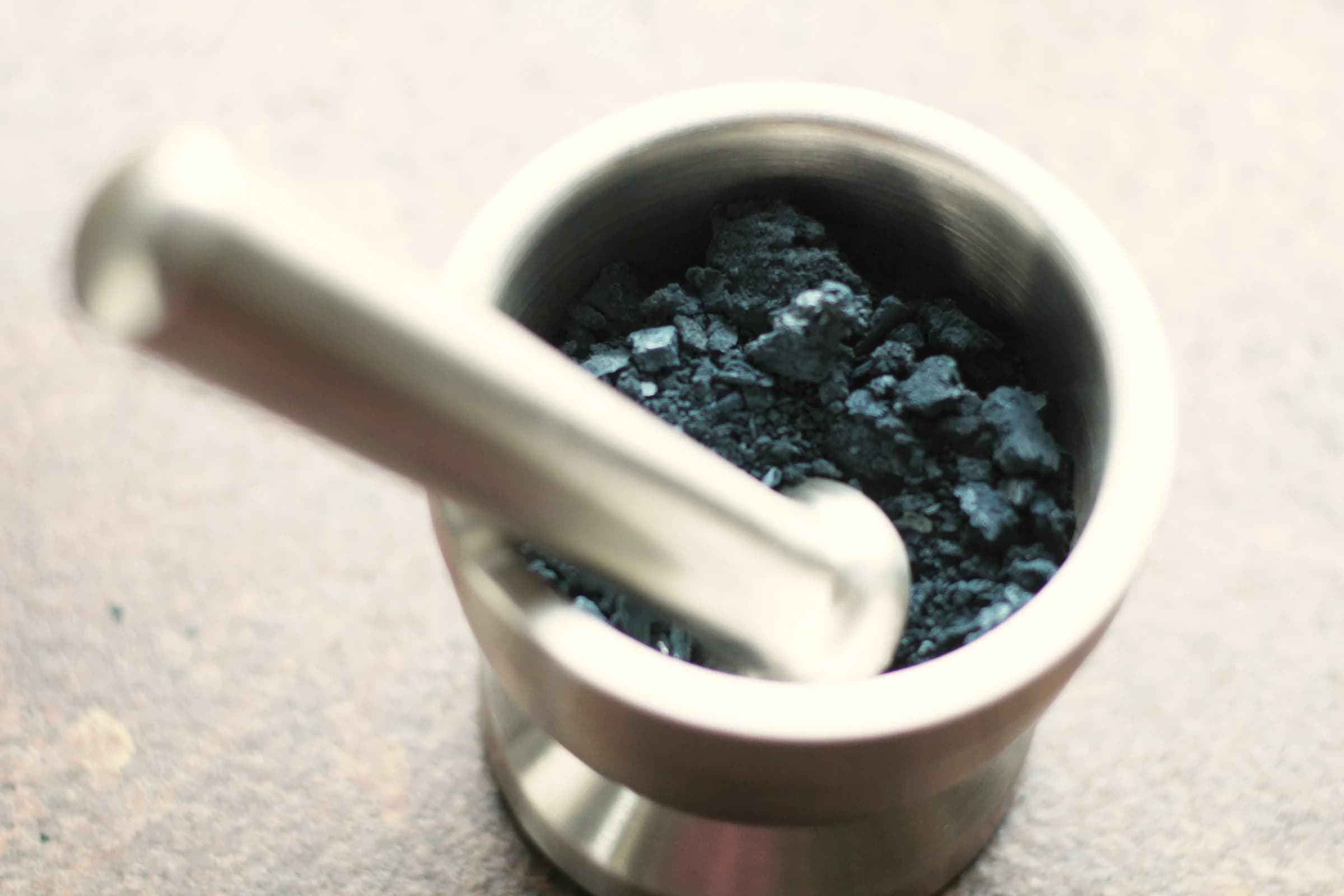
Gut and fibre
Activated charcoal tablets: uses and risks
Activated charcoal binds other substances to its surface in the gut, so less of them is absorbed. As a food supplement in Great Britain it has one authorised claim, for reducing excessive wind after eating, which needs 1 g at least 30 minutes before a meal and 1 g shortly after; keep it two hours apart from medicines and never use it to treat poisoning yourself.
7 min read