Berberine in the UK: research and safety
Berberine is a plant alkaloid studied mainly for blood sugar and cholesterol in people with type 2 diabetes, with modest results from trials of limited quality. It often upsets the gut, interacts with several medicines, and in 2026 a draft opinion from Europe's food safety authority concluded that no safe intake could be set.
By The Natura teamUpdated 12 min read
What is berberine?
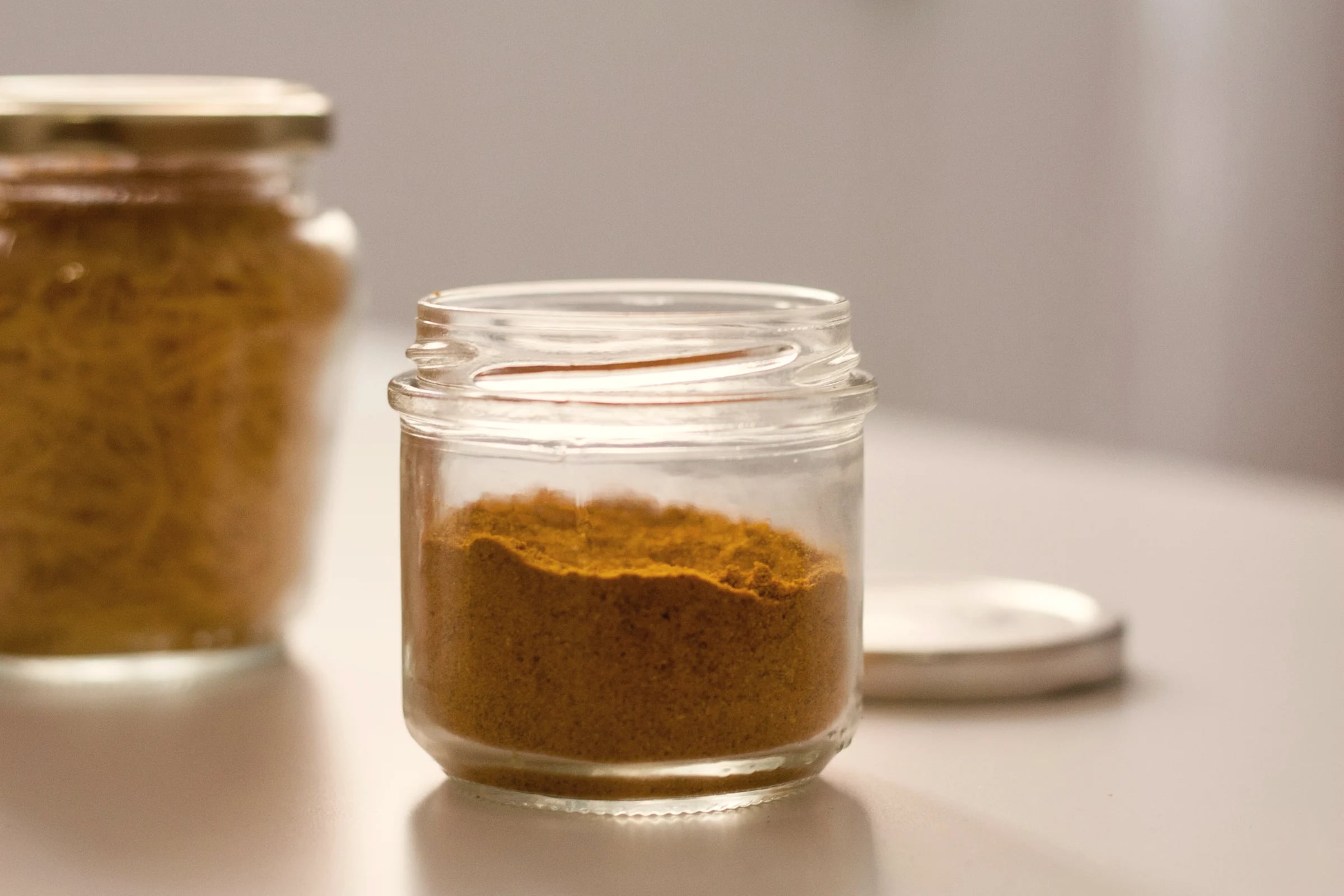
Berberine is an alkaloid, a type of plant compound, found in the roots, bark and rhizomes of several plants. The best known are barberry (Berberis vulgaris), Indian barberry (Berberis aristata), Oregon grape (Berberis aquifolium), goldenseal (Hydrastis canadensis), the goldthreads (Coptis species) and the Amur cork tree (Phellodendron amurense). In China, berberine has been widely used alongside treatment for type 2 diabetes, high cholesterol and high blood pressure.
In the UK it's sold as a food supplement, so it hasn't been through the licensing a medicine goes through. There are no authorised health claims for berberine on the Great Britain register, which means a product can't lawfully say it lowers blood sugar or helps you lose weight.
What do the reviews of berberine research say?
The clearest signal is a modest fall in blood glucose and some blood fats in people who already have type 2 diabetes or raised cholesterol, from trials with clear limitations.
- A 2022 meta-analysis pooled 37 trials involving 3,048 people with type 2 diabetes. Compared with control groups, berberine was linked to an HbA1c (a measure of average blood glucose) about 0.6 percentage points lower and fasting glucose about 0.8 mmol/L lower. The authors noted that most trials were run in China, some were short and their quality was uneven. They rated the certainty of the evidence as moderate.
- A 2015 meta-analysis of 27 trials with 2,569 patients reported falls in glucose and cholesterol markers, but its authors said the generally limited quality of the studies meant the benefit could be confirmed only to a limited degree.
The same problems run through much of this research. Of the 28 trials that the European Food Safety Authority (EFSA) reviewed for side effects, 23 didn't report the purity of the berberine used. Doses ranged from about 400 to 2,000 mg a day, and the median trial lasted 10 weeks. Some diabetes trials compared berberine plus standard treatment with standard treatment alone, and the diabetes and cholesterol trials measured blood markers rather than outcomes such as heart attacks.
Berberine reviews from customers
Customer reviews can't answer the questions above. A star rating doesn't tell you what was in the capsule, and a 2026 narrative review reported that analyses of commercial berberine products have found content that departs widely from the label, with some products holding less than declared, some more, and some containing related alkaloids such as hydrastine that the label doesn't mention. So a glowing review may describe a different product from the ones in the trials. The research reviews above are the better guide, limits included.
Does berberine help with weight loss?
Not by much, on current evidence. Pooled trials show small average differences in body weight, and the newer, larger analysis found the smaller effect.
- A 2020 meta-analysis of 12 trials reported body weight about 2.1 kg lower with berberine than with control groups.
- A 2026 meta-analysis in the International Journal of Obesity, covering 23 studies, put the difference at about 0.9 kg (95% confidence interval 0.4 to 1.4 kg). Its authors called for better reporting of purity and dose, and pointed to a lack of blinding and proper randomisation in some trials.
How does berberine work?
It isn't fully understood, and most of the evidence comes from cells and animals, which can't show what a supplement does in a person. In lab studies, berberine increased the activity of AMPK, an enzyme involved in how cells handle energy, and it improved blood sugar handling in insulin-resistant mice and rats. In rats, and in human gut cells grown in the lab, it increased the release of GLP-1, a gut hormone.
Very little berberine taken by mouth reaches the bloodstream. EFSA describes low absorption and heavy breakdown in the gut wall and liver, with berberine and its breakdown products concentrated in the gut, liver and kidneys. That's one reason researchers are interested in what it does inside the gut.
Is berberine "nature's Ozempic"?
No. The nickname spread on social media. Ozempic, Wegovy and Mounjaro are prescription-only medicines in the UK, licensed after large clinical trials, while berberine is a food supplement ingredient. Its GLP-1 results come from animal and cell studies. In human trials, the average weight differences are around 1 to 2 kg. Our guide to GLP-1 supplements looks at the wider category.
What are the side effects of berberine?
The main side effects are gut symptoms: constipation, diarrhoea, nausea and stomach pain. In EFSA's 2026 draft review, these were reported more often with berberine than with placebo across trials using 400 to 1,500 mg a day, and EFSA couldn't identify a dose below which they don't happen. They're generally described as short-lived.
Rarer problems have been reported. Two trial participants had raised liver enzymes, one judged probably linked to berberine. Case reports describe a slow heart rate and heart rhythm changes, and acute liver injury in a man on the blood thinner rivaroxaban three weeks after he started berberine. France's food safety agency, ANSES, lists low blood sugar and low blood pressure as risks, although EFSA found no reports of either in the trials and case reports it assessed.
Longer-term safety is less clear. EFSA found evidence in lab tests that berberine can damage genetic material, which hasn't been confirmed or ruled out in living animals. Preparations of goldenseal root caused liver tumours in rodents, and greater celandine (Chelidonium majus), another berberine-containing plant, has been linked to rare, unpredictable liver injury in people.
Which medicines interact with berberine?
Quite a few. Berberine slows enzymes the body uses to clear many medicines, mainly CYP3A4 and possibly CYP2D6 and CYP2C9, and it affects transporters that move drugs in and out of cells. In a study of healthy volunteers, two weeks of berberine at 300 mg three times a day raised blood levels of midazolam, a test medicine, by about a third.
| Medicine or group | What has been reported | Evidence |
|---|---|---|
| Ciclosporin (transplant medicine) | Higher blood levels in kidney transplant patients | Clinical study |
| Tacrolimus (transplant medicine) | Levels rose above the target range | One case report |
| Rivaroxaban (blood thinner) | High drug level alongside acute liver injury | One case report |
| Metformin | Changes in how it is absorbed and cleared | Animal studies and one small human study using goldenseal extract |
| Sulfonylureas and insulin | Extra blood glucose lowering, so a higher risk of hypos | Flagged by reviews and ANSES |
| Blood pressure medicines and beta-blockers | Possible extra lowering of blood pressure and heart rate | Reviews and case reports |
| Other medicines cleared by CYP2D6 or CYP2C9, such as warfarin and some antidepressants | Possible changes in drug levels | Volunteer enzyme study and lab data |
ANSES advises against taking berberine supplements alongside drug treatment, and asks people to tell their doctor or pharmacist about any supplement they take.
Is berberine bad for your kidneys?
There's no good human evidence that berberine harms healthy kidneys, and no good human evidence that it protects them. Kidney damage isn't among the main concerns in either the EFSA draft or the ANSES opinion.
Most kidney research is in animals. A 2025 review of 19 rodent studies found berberine improved kidney blood markers after induced kidney injury, and its authors said better preclinical studies were needed before any clinical use. Results in rodents often don't carry over to people.
The kidney link documented in people involves medicines. The best human interaction evidence for berberine comes from kidney transplant patients taking ciclosporin. In a teenager taking tacrolimus for a kidney condition, creatinine (a kidney blood marker) rose along with the drug level and settled when the tacrolimus dose was cut. If you have kidney disease or a transplant, don't take berberine unless your kidney team agrees.
Who should avoid berberine?
- In pregnancy and breastfeeding, one concern is that berberine could worsen jaundice in newborns. The US National Center for Complementary and Integrative Health says the berberine in goldenseal can be harmful to newborns.
- Most of the research has been in people with diabetes, yet ANSES still advises them against berberine supplements. Diabetes medicines can interact with it, and adding berberine to insulin or a sulfonylurea may raise the risk of hypos.
- Anyone taking prescription medicines, particularly transplant medicines, blood thinners or medicines where the gap between an effective and a harmful dose is small, should speak to a pharmacist first.
What is berberine's legal status in the UK?
Berberine is on sale in Great Britain as a food supplement, and we found no GB rule specific to it when we wrote this, though that could change.
After ANSES raised concerns, the European Commission asked EFSA to assess plant preparations containing berberine. In a draft opinion endorsed in January 2026 and put out for public consultation, EFSA concluded that the available data don't allow a safe intake to be established for any of the plant preparations it assessed. The final opinion hadn't been published at the time of writing. The next step is up to the European Commission, whose options under EU rules include restricting or banning a substance in foods.
EU decisions no longer apply automatically in Great Britain. Here, the Committee on Toxicity, which advises the Food Standards Agency, discussed EFSA's draft at its March 2026 meeting. Its minutes record concern that a genotoxic hazard couldn't be ruled out with confidence, and substantial gaps in the data. Rules already differ across Europe: in 2019 ANSES noted that Belgium limited supplements to 10 mg a day of these alkaloids, far below the doses used in trials.
Berberine tablets, capsules or gummies?
The shape of the product matters less than how much berberine it gives and what else is in it. In the 2022 meta-analysis of diabetes trials, 30 of the 37 trials used 0.9 to 1.5 g of berberine a day, and ANSES found that makers' recommended daily doses in French food supplements ranged from 250 to 1,200 mg of berberine, comparable to the doses tested in trials. A 2026 review adds that products designed for better absorption change how much reaches the blood, so results from one product may not carry over to another with the same labelled dose.
We found no human trial of berberine gummies, and the trials in this guide don't mention them, so nothing shows that a gummy gives the same exposure as the products studied. The gut side effects and medicine interactions above apply to every form, so ask a pharmacist before starting.
What is a berberine complex?
A berberine complex is a product that combines berberine with other ingredients, not plain berberine on its own. The word "complex" doesn't tell you what's inside; the ingredients list does. ANSES recommends that consumers avoid taking several food supplements together, or supplements with numerous ingredients, because of the risk of interactions, and its list of French products included blends of berberine with red yeast rice.
Its opinion also describes two people in the US with vomiting, jaundice, itching and raised liver enzymes after a month on a multi-ingredient supplement containing berberine and artemisinin, among other things, although it couldn't establish the cause. A blend makes it harder to tell which ingredient is behind a side effect, and harder for a pharmacist to check against your medicines. If you do use one, show the label to your pharmacist.
Berberine and inositol: what does the research say?
Most research on the pairing concerns polycystic ovary syndrome (PCOS), which the NHS now calls polyendocrine metabolic ovarian syndrome (PMOS), a hormone condition that needs a GP's input. A 2021 network meta-analysis of 22 trials in 1,079 women compared metformin, inositol, berberine and other insulin sensitisers. Berberine was tested alone in a single trial against metformin and, with metformin, in two small trials. It was never compared head to head with inositol, and the authors said the evidence rests on few trials, some of low quality.
The NHS lists lifestyle changes and prescribed medicines for managing the condition and doesn't mention supplements. If you're thinking of taking berberine and inositol together, talk to your GP first, especially if you take metformin or other medicines. ANSES advises pregnant and breastfeeding women not to take berberine supplements.
What's the best berberine supplement in the UK? How to choose
We can't name a "best" berberine supplement, because what's in the capsule is hard to check. A 2026 review of berberine interactions noted that plant identity and actual alkaloid content vary considerably between products, and that national limits in Europe differ by more than tenfold. Most trials didn't report purity either, so it's hard to know which products resemble what was studied.
If you and your GP decide it's reasonable to try:
- Check the label gives the amount of berberine itself per daily dose, as well as the weight of plant extract.
- Look for the plant source and a named form such as berberine hydrochloride. ANSES notes that extraction methods and purity weren't available for the French products it listed.
- Avoid products based on goldenseal root or greater celandine, given EFSA's findings.
- Avoid multi-ingredient blends, which ANSES recommends against.
- Treat any product claiming to lower blood sugar or cause weight loss with suspicion, since no such claim is authorised for berberine in Great Britain.
- Tell anyone who prescribes for you that you take it.
Where Natura fits
Natura doesn't sell berberine, and our drink-and-tablet supplement contains none. Our guide to Natura sets out what is in it. If you're considering berberine for blood sugar, talk to your GP first, especially if you take a diabetes medicine.
Common questions
What do berberine reviews say?
Research reviews, not customer reviews, are the better guide. A 2022 meta-analysis of 37 trials in people with type 2 diabetes found lower blood glucose on average, but most trials were run in China and their quality was uneven. Customer reviews can't tell you what was in the capsule, which analyses show can differ from the label.
Is berberine legal in the UK?
Yes. Berberine is sold in Great Britain as a food supplement ingredient, and we found no GB restriction specific to it as of October 2026. It has no authorised health claims, so products can't lawfully say it lowers blood sugar or causes weight loss. In the EU, a 2026 EFSA draft concluded that no safe intake could be set, and the UK's Committee on Toxicity has reviewed that draft, so the position could change.
Can you take berberine with metformin?
Only if your doctor agrees. Animal studies and a small human study using goldenseal extract suggest berberine can change how the body absorbs and clears metformin, and berberine has a glucose-lowering effect of its own. Combined with a sulfonylurea or insulin, it may raise the risk of low blood sugar. France's ANSES advises people with diabetes not to take berberine supplements, so speak to your GP or diabetes team first.
Can you take berberine if you're on Mounjaro or Wegovy?
Ask your prescriber before you do. Gut symptoms such as nausea, diarrhoea and constipation are the main side effects of berberine and among the most common with these medicines, so the two could add up. Berberine also changes how the body handles some other drugs. If you take insulin or a sulfonylurea as well, the extra risk of low blood sugar matters too.
What is the best berberine supplement in the UK?
We can't point to one. Products vary in plant source and actual berberine content, few trials reported purity, and EFSA's 2026 draft found that no safe intake could be established. If you and your GP decide it's appropriate, choose a product that states the berberine per daily dose, avoid goldenseal root, greater celandine and multi-ingredient blends, and ignore anything claiming to lower blood sugar.
Are berberine gummies any good?
We found no human research on berberine gummies, so nothing shows they give the same exposure as the products in trials. Check the berberine per gummy and the sugar. Berberine's gut side effects and medicine interactions apply to every form, so ask a pharmacist before starting.
Is a berberine complex better than plain berberine?
Nothing shows that it is. A complex is a blend of berberine with other ingredients, and ANSES recommends avoiding supplements with numerous ingredients because of the interaction risk. A blend also makes it harder to tell what caused a side effect. Check the ingredients list and show it to your pharmacist.
Can you take berberine and inositol together?
Ask your GP first. Most of the research on the pair concerns PCOS, and a 2021 network meta-analysis found berberine and inositol had never been compared head to head, with few trials and some of low quality. Berberine also interacts with several medicines, including metformin, and ANSES advises pregnant and breastfeeding women not to take it.
Does berberine damage the liver?
EFSA's 2026 draft found no published case of clear liver injury from berberine supplements alone, but two trial participants had raised liver enzymes, and a man taking the blood thinner rivaroxaban developed acute liver injury after starting berberine. Preparations of goldenseal root and greater celandine raise clearer liver concerns. ANSES advises people with liver conditions not to take berberine supplements.
Sources
- EFSA NDA Panel: Draft scientific opinion on the safety of plant preparations containing berberine (endorsed for public consultation, 29 January 2026)
- EFSA: Stakeholder meeting on the draft opinion on plant preparations containing berberine (April 2026)
- ANSES: Opinion on the safety of use of berberine-containing plants in food supplements (2019)
- GOV.UK: Minutes of the 31 March 2026 Committee on Toxicity meeting
- GOV.UK: Great Britain nutrition and health claims (NHC) register
- Xie W et al. Glucose-lowering effect of berberine on type 2 diabetes: a systematic review and meta-analysis. Front Pharmacol, 2022
- Lan J et al. Meta-analysis of the effect and safety of berberine in the treatment of type 2 diabetes mellitus, hyperlipemia and hypertension. J Ethnopharmacol, 2015
- Asbaghi O et al. The effect of berberine supplementation on obesity parameters, inflammation and liver function enzymes. Clin Nutr ESPEN, 2020
- Elahi Vahed I et al. The effect of berberine on obesity indices: a systematic review and meta-analysis. Int J Obes, 2026
- Dumitru CN et al. Berberine-drug interactions: mechanisms, clinical relevance and risk stratification, a narrative review. Pharmaceuticals, 2026
- Lee YS et al. Berberine activates AMP-activated protein kinase with beneficial metabolic effects in diabetic and insulin-resistant states. Diabetes, 2006
- Yu Y et al. Modulation of glucagon-like peptide-1 release by berberine: in vivo and in vitro studies. Biochem Pharmacol, 2010
- Xu W et al. The therapeutic effect of berberine on rodent models of kidney injury: a systematic review and meta-analysis. BMC Nephrol, 2025
- NCCIH: Goldenseal
- Zhao H et al. Comparative efficacy of oral insulin sensitizers metformin, thiazolidinediones, inositol, and berberine in improving endocrine and metabolic profiles in women with PCOS: a network meta-analysis. Reprod Health, 2021
- NHS: Polyendocrine metabolic ovarian syndrome (PMOS), formerly PCOS
This guide is general information, not medical advice. If you have a medical condition, take prescription medicines, or are pregnant or breastfeeding, speak to your GP or pharmacist before starting a supplement.
This product is a food supplement intended for use by adults aged 18 and over. It is not intended to diagnose, treat, cure, or prevent any disease. Consult a qualified healthcare professional before use, particularly if pregnant, breastfeeding, or taking medication. Individual results vary.
Further reading
GLP-1 and appetite
GLP-1 supplements, explained
A GLP-1 supplement is a food supplement sold on the idea of the gut hormone GLP-1, usually made from fibres, berberine, probiotics or plant extracts. Legitimate ones contain no GLP-1 medicine, and the research on their ingredients is small and short, with nothing showing they act like prescription semaglutide or tirzepatide.
7 min read
GLP-1 and appetite
Natural GLP-1 foods: can food raise GLP-1?
Yes, a little. In studies, meals higher in protein, and meals where vegetables and protein came before carbohydrate, produced bigger GLP-1 responses after eating. The rises were in the tens of percent and lasted a few hours, which is a long way from what a GLP-1 medicine does.
7 min read