Muscle recovery supplements: the evidence
Protein, creatine and carbohydrate have authorised health claims in Great Britain that relate to muscle or exercise, each with conditions. Tart cherry, omega-3, HMB and beta-alanine have been studied, but none has an authorised claim. No supplement can claim to speed recovery or ease soreness.
By The Natura teamUpdated 10 min read
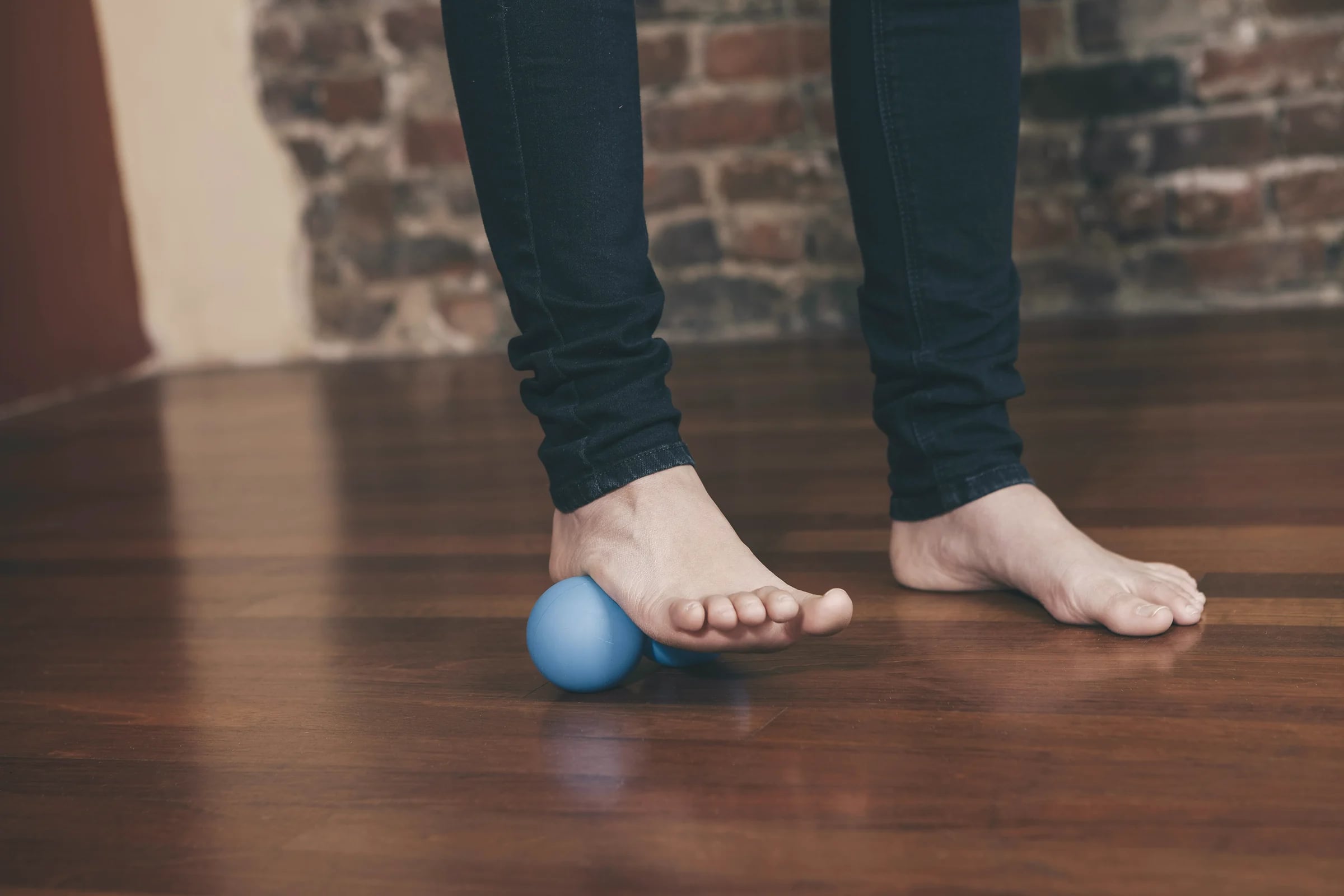
Do muscle recovery supplements work?
None can claim to speed recovery or ease soreness. In Great Britain, of the ingredients covered below, only protein, creatine and carbohydrate have authorised health claims about muscle or exercise, and only carbohydrate's mentions recovery. Some vitamins and minerals have claims about normal muscle function (calcium, magnesium, potassium, vitamin D), and vitamin C at 200 mg has one about immune function during and after intense exercise, but none is a recovery claim. Other popular recovery ingredients have research behind them and no authorised claim.
The British Dietetic Association (BDA) says a varied, well-balanced diet should provide the nutrients and energy required for sport, and that supplements won't make up for poor food choices, though they may help in certain situations. The International Olympic Committee's 2018 consensus statement on supplements also warns that high doses of single antioxidants, particularly vitamins C and E, may blunt the training adaptations you're working for.
What is DOMS (delayed onset muscle soreness)?
DOMS is the ache and stiffness that builds a day or so after exercise your muscles aren't used to. An NHS trust describes it as usually felt 24 to 72 hours after activity and normally harmless, and a 2018 review puts peak soreness at 48 to 72 hours (Hotfiel and colleagues). It's most likely after a new activity or a sudden step up in training. A Newcastle Hospitals leaflet says soreness for up to a week is common.
Exercise was the most effective way to ease the pain in a 2003 review, though only for a while. The review advised reducing training intensity for a day or two after a very hard session, or working other muscles, and building up new exercise over a week or two (Cheung and colleagues). The Leicestershire trust adds that poor sleep can add to muscle soreness. See a GP or call 111 if soreness is getting worse or isn't settling, and stop exercising and seek advice if you notice bruising or new significant swelling over a muscle.
What are the best supplements for muscle recovery?
No single supplement is best for everyone. The table sets out what each one is allowed to claim, and the conditions the claim depends on.
| Supplement | Authorised GB claim | Conditions |
|---|---|---|
| Protein | Contributes to a growth in muscle mass; contributes to the maintenance of muscle mass | Food must be at least a source of protein |
| Creatine | Increases physical performance in successive bursts of short-term, high intensity exercise | 3 g a day, for adults performing high intensity exercise |
| Carbohydrate | Contributes to the recovery of normal muscle function (contraction) after highly intensive and/or long-lasting physical exercise (full wording below) | 4 g per kg of body weight, from all sources, within the first 4 hours and no later than 6 hours |
| Carbohydrate-electrolyte solutions | Contribute to the maintenance of endurance performance during prolonged endurance exercise; enhance the absorption of water during physical exercise | Set limits on carbohydrate, sodium and concentration |
| Tart cherry, omega-3, HMB, beta-alanine | None | Research only |
Protein
Two of protein's authorised claims are relevant here: "Protein contributes to a growth in muscle mass" and "Protein contributes to the maintenance of muscle mass". They can be used for any food that's at least a source of protein, which means at least 12% of its energy comes from protein. Our guide to whey protein covers powders.
The amount over the day matters most. The BDA gives about 1.4 to 2.0 g of protein per kg of body weight a day for athletes in strength and endurance sports, spread evenly through the day. The International Society of Sports Nutrition (ISSN) says 20 to 40 g at a time, every 3 to 4 hours, appears to favour muscle protein synthesis most, and that good-quality protein in the two hours after exercise stimulates it strongly. Our protein calculator turns your weight into grams. If you have kidney disease, talk to your kidney team before taking a protein powder or any other supplement.
Creatine
Creatine's claim is about performance: "Creatine increases physical performance in successive bursts of short-term, high intensity exercise." It can be used only for products that give 3 g of creatine a day, aimed at adults performing high intensity exercise. A second claim covers adults over 55 who do regular resistance training: daily creatine can enhance the effect of that training on muscle strength. Neither claim covers recovery or soreness. The creatine calculator works out a dose by body weight, and how to take creatine covers timing and safety. If you have kidney disease, ask your doctor or kidney team before taking creatine. The ISSN's creatine position stand says some people suggest this as a precaution, though it found no compelling evidence that creatine harms kidney function in healthy or clinical groups.
Carbohydrate and sports drinks
Carbohydrate has the one authorised claim that mentions recovery: "Carbohydrates contribute to the recovery of normal muscle function (contraction) after highly intensive and/or long-lasting physical exercise leading to muscle fatigue and the depletion of glycogen stores in skeletal muscle." The conditions are strict. The effect comes from a total of 4 g of carbohydrate per kg of body weight, from all sources, eaten in doses within the first 4 hours and no later than 6 hours after exercise. For someone who weighs 70 kg, that's 280 g. It's intended for adults who have done very hard or very long exercise that left their muscles fatigued and their glycogen stores depleted.
If you have a quick turnaround, the BDA says to start refuelling with carbohydrate-rich foods and fluids as soon as possible after exercise. The ISSN adds that when you have less than 4 hours to recover, combining carbohydrate with protein can help restore glycogen.
During long exercise, carbohydrate-electrolyte solutions have two authorised claims: they contribute to the maintenance of endurance performance during prolonged endurance exercise, and they enhance the absorption of water during physical exercise. Both depend on the recipe: 80 to 350 kcal per litre from carbohydrate, 460 to 1,150 mg of sodium per litre and a set concentration. A sugar-free electrolyte drink can't meet the carbohydrate condition.
What about tart cherry, omega-3, HMB and beta-alanine?
None of the four has an authorised health claim in Great Britain, so what follows reports research only.
Tart cherry
A 2021 systematic review and meta-analysis of 14 studies (Hill and colleagues) found tart cherry supplements had a small effect on muscle soreness and a moderate effect on recovery of strength after strenuous exercise. It found no significant change in creatine kinase, a blood marker of muscle damage. The IOC consensus said more research was needed before anti-inflammatory supplements such as tart cherry juice could be recommended to athletes. The GB register lists claims linking tart cherries to antioxidants and to heart, brain and joint health as not authorised.
Omega-3
A 2026 systematic review and meta-analysis (Yaghoobi and colleagues) included 43 studies and found the overall effect of long-chain omega-3 on recovery equivocal, with significant weaknesses in how the studies were done. A pooled analysis of nine placebo-controlled trials using muscle-damaging exercise did find less soreness, but the authors couldn't say what dose works. The IOC suggested eating fatty fish instead of supplements and noted that high doses can cause bleeding and digestive problems. The NHS recommends at least two portions of fish a week, one of them oily. If you take a blood thinner such as warfarin, ask your pharmacist before trying fish oil.
HMB
EFSA's 2011 opinion covered claims about HMB and muscle damage, lean body mass, strength, endurance, muscle repair and recovery from fatigue. The GB register lists them all as not authorised because the effect was not substantiated. The IOC consensus called HMB's effects on strength and lean mass small and its effect on muscle damage unclear, and said the same benefits could most likely come from normal dietary protein or whole protein supplements. Our HMB guide covers it in full.
Beta-alanine
The register lists every beta-alanine claim as not authorised, including claims about performance and reduced muscle fatigue. The IOC says beta-alanine possibly joins the few supplements with support for marginal performance gains, about 0.2% to 3% in efforts lasting 30 seconds to 10 minutes after 10 to 12 weeks of daily use. Side effects include skin rashes and short-lived tingling. Our beta-alanine guide covers it in full.
What are the best supplements for muscle pain and stiffness?
No supplement is proven to ease muscle pain and stiffness, so this is a research summary and nothing here is a recommendation to take anything. Tart cherry and omega-3 findings are above. Curcumin, the main pigment in turmeric, has also been tested. A 2026 systematic review of 15 trials found favourable effects in 3 of 7 studies that measured soreness, fatigue or subjective recovery, rated the certainty of the evidence very low, and said results varied with dose, formulation and timing (Lloret-Gil and colleagues). Two small trials in men, with 17 and 20 volunteers, found less pain on curcumin than on placebo after hard leg exercise, and both asked for larger studies (Nicol and colleagues; Drobnic and colleagues). Our turmeric guide covers the ingredient.
Magnesium is often sold for cramps, which aren't the same as stiffness. A Cochrane review of 11 trials found it unlikely to give older adults clinically meaningful cramp prevention, and found no trials in exercise-related cramps (Garrison and colleagues). Pain that is persistent or getting worse is a reason to see a GP.
What are the best supplements for runners?
No single list suits every runner, but a few points are well supported.
- On runs over about an hour, take carbohydrate. The BDA says carbohydrate during exercise can enhance performance when you're exercising hard for longer than an hour.
- If you sweat heavily or run in heat, think about fluid and salt as well as water. Our guide to electrolytes explains when water is enough.
- Caffeine and dietary nitrate, which is found in beetroot, are among the few supplements the IOC says have support for small performance gains. Neither has an authorised claim. See beetroot supplements and what is pre-workout?
- Only take iron if a blood test shows you need it. In a study of 170 recreational runners at the Zurich marathon (Mettler and Zimmermann, 2010), iron depletion affected 28% of the women and fewer than 2% of the men, while one in six men had signs of iron overload. The authors said supplements should only be used if tests show a deficiency. If you're tired all the time, ask your GP for a test. Our guide to signs of low iron explains what to ask for.
- In autumn and winter, the NHS advises everyone, runners included, to consider a daily 10 µg vitamin D supplement. See vitamin D in a UK winter.
Does anything make muscles recover faster?
Not in a way a supplement is allowed to claim in Great Britain, so the basics come first, starting with sleep. A 2021 expert consensus on sleep in athletes (Walsh and colleagues) says elite athletes are prone to habitual short sleep, under 7 hours a night, and that a night or more without sleep reduces performance. It recommends working out each athlete's own sleep needs instead of one fixed target such as 7 to 9 hours. After sleep comes food: enough total energy, carbohydrate to refuel and protein spread through the day, as the BDA advises.
How do you choose a recovery supplement?
Check the product against these points:
- Does the dose match the claim? Creatine's claim needs 3 g a day. A carbohydrate-electrolyte drink has to meet the recipe. A protein product has to be a source of protein. A label that names an ingredient without giving its amount per serving tells you little.
- Is it batch tested? If you're drug tested in sport, UK Anti-Doping advises using only batch-tested products and checking the batch number before use, because there's no guarantee that any supplement is free from prohibited substances, and a violation can mean a four-year ban. For everyone else, third-party testing is still worth looking for.
- Do your medicines or health conditions rule it out? Kidney disease matters for protein powders and creatine, and blood thinners for fish oil. If you're pregnant or breastfeeding, ask before taking any sports supplement. A pharmacist can check what you take.
- Are you doubling up? Check a blend's label against everything else you already take.
Where Natura fits
Natura's sport packs, in the Natura cabinet (coming soon), pair two products each. Daily Creatine (creatine monohydrate 3 g) is in the Conditioning Pack with Daily Whey (25 g), and in the Athletics, Rugby and Basketball packs. The authorised claim for creatine is that it increases physical performance in successive bursts of short-term, high intensity exercise, for adults performing that kind of exercise, and the beneficial effect is obtained with a daily intake of 3 g. Daily HMB (3 g) is in the Boxing Pack with Daily Cherry (500 mg), and in the Wrestling Pack with Daily Electrolytes. Daily Whey, Daily HMB and Daily Cherry come only in packs. HMB and cherry have no authorised claims, so we make none for them.
Common questions
How long does DOMS last?
An NHS trust says delayed onset muscle soreness is usually felt 24 to 72 hours after activity, and a Newcastle Hospitals leaflet says soreness for up to a week is common. A 2018 review puts the peak at 48 to 72 hours. If it is getting worse or isn't settling, see a GP or call NHS 111. No supplement has an authorised claim for easing it.
What are the big 3 supplements?
There's no official list, so check which three a post or video means. Protein and creatine usually feature. Each has an authorised GB claim about muscle or exercise, with conditions: protein needs the product to be a source of protein, and creatine needs 3 g a day. Others that get added, such as a multivitamin or fish oil, have no authorised recovery or performance claim.
Is creatine good for muscle recovery?
Creatine's authorised claim is about performance, not recovery: it increases physical performance in successive bursts of short-term, high intensity exercise, at 3 g a day, for adults doing high intensity exercise. No claim says creatine speeds recovery or reduces soreness. If you have kidney disease, ask your doctor or kidney team before taking it.
Does tart cherry juice help sore muscles?
A 2021 meta-analysis found a small effect on muscle soreness and a moderate effect on recovery of strength after strenuous exercise, with no change in a blood marker of muscle damage. Tart cherry has no authorised claim, and the IOC consensus said more research was needed before recommending it to athletes. If you try juice, check its sugar content.
Should I have protein straight after a workout?
The daily total matters more, but straight after is a reasonable time. The International Society of Sports Nutrition says good-quality protein from straight after exercise to two hours later stimulates muscle protein synthesis, and that 20 to 40 g every 3 to 4 hours appears to favour it most. A meal with milk, eggs, fish, meat, beans or tofu does the same job as a shake.
Is HMB worth taking?
No HMB claim is authorised in Great Britain. EFSA's 2011 opinion covered claims about lean body mass, strength, muscle repair and recovery from fatigue, and the register lists them as not substantiated. The IOC consensus called HMB's effects on strength and lean mass small and said the same benefits could most likely come from normal dietary protein. Check your protein intake first.
Are recovery supplements safe if I'm drug tested?
There's always some risk. UK Anti-Doping says there is no guarantee that any supplement is free from prohibited substances, because of contamination and inaccurate labels, and an anti-doping violation can bring a four-year ban. It advises checking whether you need a supplement at all, using only batch-tested products and checking the batch number before use. Speak to your sport's medical team before taking anything new.
Sources
- GOV.UK: Great Britain nutrition and health claims (NHC) register
- British Dietetic Association: Sport and exercise nutrition, food fact sheet
- Kerksick et al. (2017), J Int Soc Sports Nutr: ISSN position stand, nutrient timing
- Kreider et al. (2017), J Int Soc Sports Nutr: ISSN position stand, safety and efficacy of creatine supplementation
- Maughan et al. (2018), Br J Sports Med: IOC consensus statement, dietary supplements and the high-performance athlete
- EFSA Journal (2011): Health claims for HMB and lean body mass, strength, endurance, muscle repair and recovery
- Hill et al. (2021), Int J Sport Nutr Exerc Metab: tart cherry supplementation and recovery, meta-analysis
- Yaghoobi et al. (2026), Nutrients: omega-3 supplementation and recovery after exercise, meta-analysis
- Leicestershire Partnership NHS Trust: MSK physiotherapy FAQs, my muscles are sore
- Newcastle Hospitals NHS Foundation Trust: Exercise and your health, a guide to getting started
- Hotfiel et al. (2018), Sportverletz Sportschaden: advances in delayed-onset muscle soreness (DOMS), part I
- Cheung, Hume and Maxwell (2003), Sports Med: delayed onset muscle soreness, treatment strategies and performance factors
- Lloret-Gil et al. (2026), Nutrients: curcumin supplementation and exercise recovery, systematic review
- Nicol et al. (2015), Eur J Appl Physiol: curcumin supplementation and delayed onset muscle soreness
- Drobnic et al. (2014), J Int Soc Sports Nutr: curcumin delivery system and delayed onset muscle soreness, randomised trial
- Garrison et al. (2020), Cochrane: magnesium for skeletal muscle cramps
- Walsh et al. (2021), Br J Sports Med: sleep and the athlete, expert consensus recommendations
- Mettler and Zimmermann (2010), Eur J Clin Nutr: iron excess in recreational marathon runners
- UK Anti-Doping: Supplements
- Kidney Care UK: Healthy eating for people with chronic kidney disease (CKD)
- NHS: Fish and shellfish
- NHS: Vitamin D
- EUR-Lex: Regulation (EC) No 1924/2006, Annex (conditions of use for 'source of protein')
This guide is general information, not medical advice. If you have a medical condition, take prescription medicines, or are pregnant or breastfeeding, speak to your GP or pharmacist before starting a supplement.
This product is a food supplement intended for use by adults aged 18 and over. It is not intended to diagnose, treat, cure, or prevent any disease. Consult a qualified healthcare professional before use, particularly if pregnant, breastfeeding, or taking medication. Individual results vary.
Further reading
Sport and training
How to take creatine: how much and when
The standard dose is 3 to 5 g of creatine monohydrate a day, every day, at whatever time suits you. Loading with about 20 g a day for a week fills your muscles faster but isn't necessary, and the evidence on taking it before or after training is too thin to plan around.
16 min read
Sport and training
HMB supplements: what the research shows
HMB (beta-hydroxy-beta-methylbutyrate) is a compound your body makes in small amounts from the amino acid leucine, sold as a powder or capsules, usually at 3 g a day. Trials found small benefits in people new to training and in some older adults, and little or none in trained lifters. HMB has no authorised health claims in Great Britain.
6 min read
Hydration
Do you need electrolytes, or is water enough?
For most people on most days, water and normal meals cover your electrolytes, and UK adults already eat more salt than recommended. Electrolyte drinks earn their place in a few situations: long or hot sessions with heavy sweating, hours of work in serious heat, and (as pharmacy oral rehydration solution) sickness or diarrhoea.
16 min read