Citrulline malate and the 2:1 ratio question
Citrulline malate is the amino acid L-citrulline bound to malate. Pooled exercise trials show a small average effect that reviewers rate as low certainty, and no health claim for citrulline is authorised in Great Britain.
By The Natura team7 min read
What is citrulline malate, and what is citrulline?
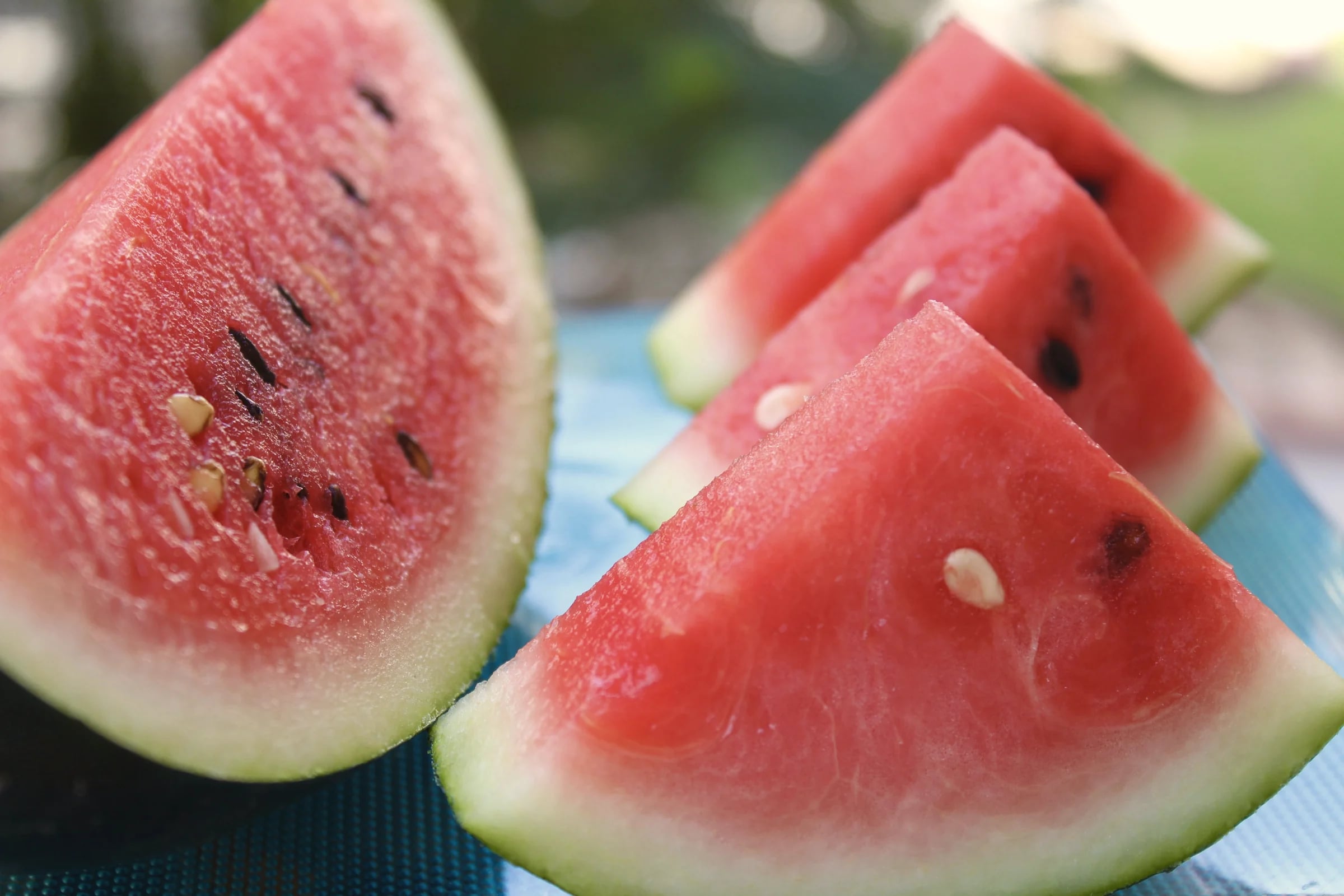
Citrulline malate is a supplement that pairs the amino acid L-citrulline with malate, a salt of malic acid. L-citrulline is an amino acid your body makes, and it's found in high concentrations in watermelon (Allerton and colleagues). Taken by mouth, it's absorbed well and partly converted to L-arginine (Schwedhelm and colleagues), which cells use to make nitric oxide, a gas that relaxes blood vessel walls (Gough and colleagues). The malate is thought to feed the cell's energy cycle, but the same review says no study has shown that happening with citrulline malate. L-citrulline on its own is the same amino acid without the malate, and both forms are sold.
What are the benefits of citrulline malate?
The trials show a small average effect on repetitions in strength training and uncertain effects elsewhere, and no health claim for citrulline is authorised in Great Britain.
A 2021 meta-analysis of eight studies (137 people, mostly strength-trained men) found that 6 to 8 g of citrulline malate taken 40 to 60 minutes before training went with about three more repetitions to failure than placebo, a gain of about 6% (Vårvik and colleagues). A 2026 meta-analysis of 30 trials and 644 people found a small overall improvement in exercise test results (effect size 0.16). The prediction intervals were wide, the effect on perceived exertion wasn't statistically significant, and the certainty of the evidence was low to very low. It concluded that reliable doses, timing and target groups haven't been established (Wang and colleagues, with no external funding). A 2021 critical review described the evidence as equivocal (Gough and colleagues).
Single trials disagree. In 35 resistance-trained adults, 12 g of citrulline malate had no effect on any measure (Haugen and colleagues). A 2018 trial of 8 g found no improvement and more muscle soreness over the next 72 hours (Chappell and colleagues).
L-citrulline vs citrulline malate: which should you take?
No trial we found settles it. A 2020 review of both forms said that oral L-citrulline and citrulline malate each raise blood citrulline, arginine, nitrate and nitrite (Gonzalez and Trexler). Gough and colleagues thought the citrulline half is likely the part that matters. The performance meta-analyses mostly pool trials of the malate form, so it has the larger body of exercise research, while the nitric oxide study below used plain L-citrulline. For choosing between them, the number that matters most is how many grams of citrulline you get per serving.
The 2:1 and 1:1 ratio question
A ratio such as 2:1 means two parts citrulline to one part malate by weight. So 8 g of a true 2:1 powder holds about 5.3 g of citrulline, while 8 g at 1.1:1 holds about 4.2 g (Gough and colleagues). Most trials report using 2:1, but a label's ratio may not match what's in the tub. A 2018 trial analysed five UK-sold powders labelled 2:1 by nuclear magnetic resonance, and only one was close. The powder in the trial itself was 1.11:1, giving just over half the stated citrulline (Chappell and colleagues). Gough's review reports typical measured ratios of about 1.6:1, with some as low as 1.1:1. It was a small sample from 2018 and tells us nothing about any current product.
| Ratio by weight | Citrulline in 6 g | Citrulline in 8 g |
|---|---|---|
| 2:1 | 4.0 g | 5.3 g |
| 1.6:1 | 3.7 g | 4.9 g |
| 1.1:1 | 3.1 g | 4.2 g |
| 1:1 | 3.0 g | 4.0 g |
So read the label for grams of citrulline per serving as well as grams of powder, and look for independent analysis of the product.
Is there citrulline in watermelon?
Yes, though far less than a supplement dose. One analysis found an average of about 1.9 mg of citrulline per gram of fresh watermelon flesh (Rimando and Perkins-Veazie). At that rate, 6 g of citrulline would take about 3 kg of flesh, so watermelon is a fine food but no practical way to match trial doses.
L-arginine and L-citrulline: what's the difference?
Arginine is the direct raw material for nitric oxide, but much of an oral dose is broken down on its way through the gut. Citrulline escapes that. In a trial of 20 healthy volunteers, L-citrulline raised blood arginine more effectively than arginine itself, and the effect grew with dose; the highest was 3 g twice a day. It also raised urinary markers of nitric oxide signalling. Flow-mediated dilation, a test of how well an artery widens, didn't improve with any treatment (Schwedhelm and colleagues). Citrulline raises arginine better than arginine does, but whether that helps exercise isn't settled. The other well-known route to nitric oxide is dietary nitrate, which our guide to beetroot supplements covers.
Does citrulline give you a pump?
Not reliably. The pump idea rests on more blood reaching working muscle, and a 2020 review found the evidence for acute improvements in vasodilation and muscle blood flow after citrulline scarce and inconsistent (Gonzalez and Trexler).
How much citrulline malate should you take, and when?
There's no official recommended intake. Most trials gave a single dose of 6 to 8 g of citrulline malate 40 to 60 minutes before exercise, and 8 g is the most common (Gough and colleagues). The 2026 meta-analysis found no significant difference by dose or timing, and the evidence looked steadier for single doses than for daily use over weeks. In one dose-ranging study, eight healthy men took single doses of 2, 5, 10 and 15 g of L-citrulline, and blood arginine peaked about 1 to 2 hours later (Moinard and colleagues).
What are the side effects, and who should avoid citrulline?
In the dose-ranging study none of the men reported side effects at any dose. Related amino acids such as arginine and ornithine can cause vomiting and diarrhoea at 6 to 12 g, but side effects with citrulline malate seem milder. A dose of 8 g caused no more stomach discomfort than placebo in trained women, and 12 g was well tolerated by trained male cyclists (as reported by Gough and colleagues). The same review says longer-term safety in athletes needs more study.
Where Natura fits
Daily Citrulline, 6 g, is in the Natura cabinet (coming soon). It's in the Hockey Pack with Daily Beta-Alanine 3.2 g, and in the Basketball Pack with Daily Creatine 3 g, both on our sport shelf. No health claim for citrulline is authorised in Great Britain, so we don't make one. For how citrulline sits alongside other training ingredients, see what is pre-workout and beta-alanine.
Common questions
Is it okay to take citrulline malate every day?
Most trials gave single doses, and a 2026 meta-analysis found the evidence steadier for one-off doses than for daily use over weeks. Short-term studies up to 15 g reported no side effects, but a 2021 review said longer-term safety in athletes needs more research. There's no official intake. If you take medicines or have a heart condition, ask a pharmacist first.
What are the side effects of L-citrulline?
In a dose-ranging study of eight healthy men, single doses of 2 to 15 g caused none. Stomach discomfort is the usual complaint with amino acids at high doses, and it seems milder with citrulline than with arginine or ornithine. Trials were small and short, so stop taking it and speak to your GP if you feel unwell.
Can you take citrulline malate with caffeine?
A 2023 trial of 35 resistance-trained adults gave caffeine (5 mg per kg), 12 g of citrulline malate, both, or placebo. Caffeine alone and with citrulline improved bench-press strength and endurance, but citrulline alone did nothing, and adding it to caffeine gave no extra gain. Caffeine has its own daily limits, which our caffeine calculator totals.
How long does citrulline malate take to work?
In a dose-ranging study, blood arginine peaked about 1.2 to 2.3 hours after a dose of L-citrulline, depending on the dose. Strength-training trials usually gave citrulline malate 40 to 60 minutes beforehand. Whether anyone notices a difference is another matter, since the average effects in pooled trials are small.
Sources
- Vårvik FT, Bjørnsen T, Gonzalez AM (2021). Acute effect of citrulline malate on repetition performance during strength training: a systematic review and meta-analysis. Int J Sport Nutr Exerc Metab
- Wang X et al. (2026). Effects of citrulline malate supplementation on exercise performance: a systematic review and three-level meta-analysis. Nutrients
- Gough LA et al. (2021). A critical review of citrulline malate supplementation and exercise performance. Eur J Appl Physiol
- Gonzalez AM, Trexler ET (2020). Effects of citrulline supplementation on exercise performance in humans: a review of the current literature. J Strength Cond Res
- Chappell AJ et al. (2018). Citrulline malate supplementation does not improve German Volume Training performance or reduce muscle soreness in moderately trained males and females. J Int Soc Sports Nutr
- Haugen ME et al. (2023). Effect of isolated and combined ingestion of caffeine and citrulline malate on resistance exercise and jumping performance. Eur J Nutr
- Schwedhelm E et al. (2008). Pharmacokinetic and pharmacodynamic properties of oral L-citrulline and L-arginine: impact on nitric oxide metabolism. Br J Clin Pharmacol
- Moinard C et al. (2008). Dose-ranging effects of citrulline administration on plasma amino acids and hormonal patterns in healthy subjects: the Citrudose pharmacokinetic study. Br J Nutr
- Allerton TD et al. (2018). L-citrulline supplementation: impact on cardiometabolic health. Nutrients
- Rimando AM, Perkins-Veazie PM (2005). Determination of citrulline in watermelon rind. J Chromatogr A
- NHS: Taking sildenafil with other medicines and herbal supplements
- GOV.UK: Great Britain nutrition and health claims (NHC) register
This guide is general information, not medical advice. If you have a medical condition, take prescription medicines, or are pregnant or breastfeeding, speak to your GP or pharmacist before starting a supplement.
This product is a food supplement intended for use by adults aged 18 and over. It is not intended to diagnose, treat, cure, or prevent any disease. Consult a qualified healthcare professional before use, particularly if pregnant, breastfeeding, or taking medication. Individual results vary.
Further reading

Sport and training
What is pre-workout, and is it safe?
Pre-workout is a powder or drink you take shortly before training, usually built around caffeine with beta-alanine, citrulline, creatine and taurine. In one analysis of best-sellers the average scoop held about 250 mg of caffeine, so the main risks are too much caffeine, stacking it with coffee or energy drinks, and products that contain undeclared or banned stimulants.
10 min read
Sport and training
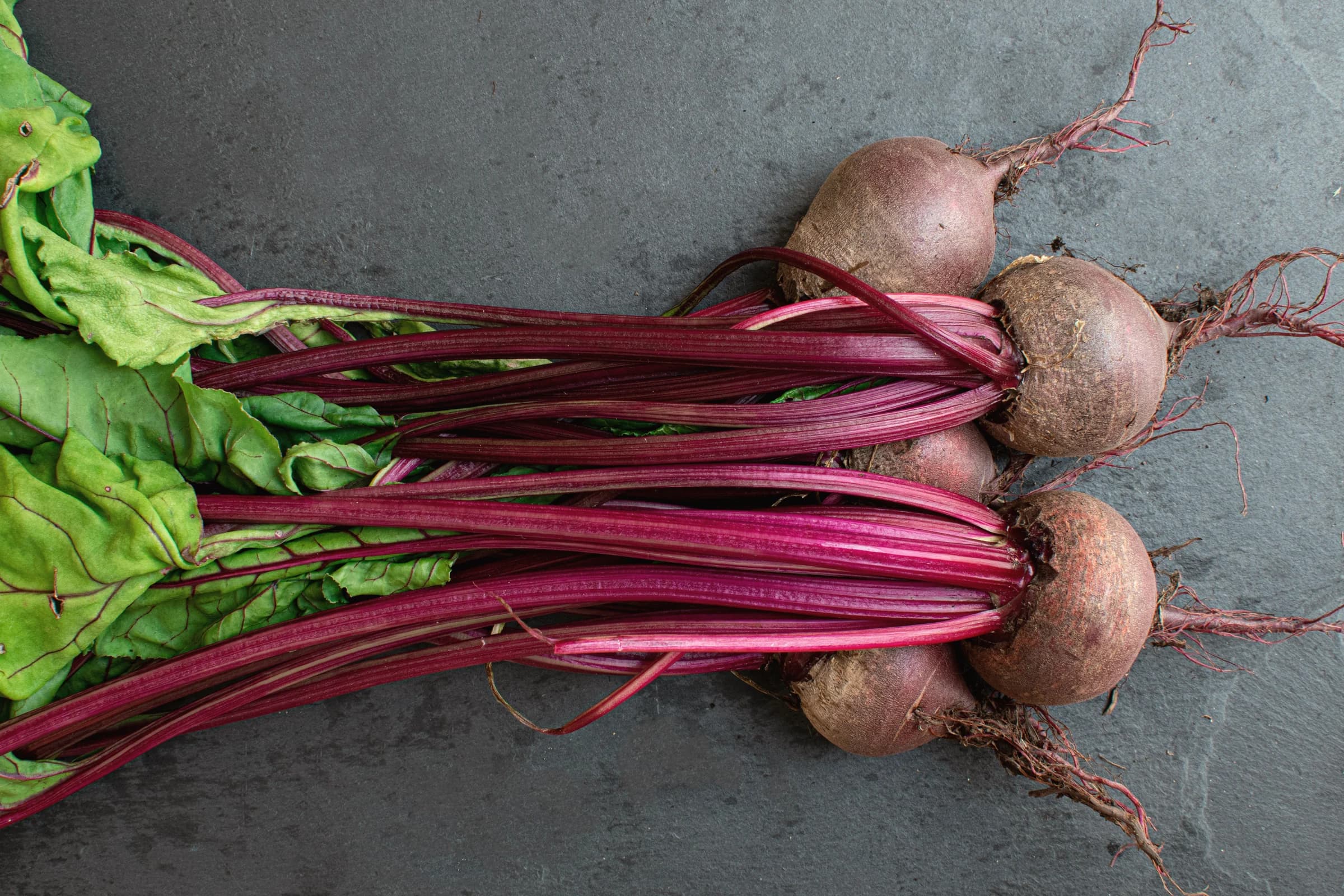
Beetroot capsules, powder and juice explained
What researchers study in beetroot is its nitrate, and in testing, beetroot capsules and tablets usually contained less nitrate per daily dose than 100 g of fresh beetroot. Sport studies use 310 to 560 mg of nitrate, usually from juice, so look for a nitrate figure on the label, and check with your GP first if you take blood pressure medicine or have had kidney stones.
10 min read
Sport and training
Taurine benefits: what the research says
Taurine is an amino sulfonic acid your body makes and you also eat, mostly in seafood and meat. Supplement trials, usually of 1 to 6 g, show small and uncertain effects on exercise, and no health claim for taurine is authorised in Great Britain.
8 min read