Ginseng benefits, types and who should avoid it
Ginseng usually means Panax ginseng, an Asian root sold dried (white) or steamed (red), while American ginseng is a close relative and Siberian ginseng is a different plant. Small trials have tested ginseng for tiredness, thinking and more, but it has no authorised health claim in Great Britain, and it can interact with warfarin and diabetes medicines.
By The Natura team6 min read

What are the benefits of ginseng?
None that a product is allowed to claim: ginseng has no authorised health claim in Great Britain. It has been studied for tiredness, thinking, erectile function, blood sugar and sport, but the US National Center for Complementary and Integrative Health (NCCIH) notes that most of the trials have been small, with fewer than 200 people, and shorter than three months.
What the reviews found for Asian ginseng (Panax ginseng), the most studied kind:
- A 2018 systematic review of 10 studies in people with fatigue found a low risk of side effects and modest evidence that ginseng helped, and called for methodologically stronger trials. In the EU, ginseng medicines are approved for tiredness and weakness only on the basis of traditional use, which the European Medicines Agency (EMA) says is not based on results from clinical studies.
- A 2010 Cochrane review of nine trials found no convincing evidence that Panax ginseng improves thinking in healthy people, and no high-quality evidence in dementia.
- A 2021 Cochrane review of nine trials in 587 men with mild to moderate erectile dysfunction found only trivial effects on standard questionnaire scores, although the men's own reports of being able to have intercourse may improve. Most of the evidence was low certainty.
- NCCIH says most research shows that Asian ginseng doesn't improve athletic performance, and that research on blood sugar control in people with diabetes is inconclusive and conflicting.
If you've felt tired for a few weeks and don't know why, the NHS advises seeing a GP, who may arrange blood tests for anaemia, diabetes or thyroid problems. Our guide to feeling always tired covers the common causes.
Panax ginseng vs American ginseng vs Siberian ginseng
Only Panax plants are true ginseng. Asian ginseng, which includes Korean ginseng, is native to Korea, north-east China and far-eastern Siberia, and American ginseng is its North American relative. Siberian ginseng is Eleutherococcus senticosus, a different plant whose marker compounds are eleutherosides rather than the ginsenosides found in Panax.
| Feature | Asian (Korean) ginseng | American ginseng | Siberian ginseng |
|---|---|---|---|
| Latin name | Panax ginseng | Panax quinquefolius | Eleutherococcus senticosus |
| Compounds usually measured | Ginsenosides | Ginsenosides | Eleutherosides |
| UK registered herbal medicines | Two (capsule and syrup) | None | None |
Ashwagandha is also sold as "Indian ginseng", but it's a different plant again, Withania somnifera; our guide to ashwagandha covers its own research and safety questions.
Siberian ginseng benefits
Siberian ginseng, also sold as eleuthero, has no authorised health claim either. The EMA's herbal committee concluded that, on the basis of long-standing use, eleutherococcus root medicines can be used for symptoms of weakness and tiredness, a conclusion based on traditional use alone. Reported side effects include insomnia, irritability, a fast heartbeat and headaches, and the EU monograph doesn't recommend it in pregnancy or while breastfeeding. In the US the name is no longer allowed on labels: the EMA notes that a 2002 labelling law banned "Siberian ginseng" there. No Eleutherococcus product appears on the UK's list of registered herbal medicines.
American ginseng
American ginseng has its own small body of research, and it can't be read across to the Asian kind.
- In a 2013 US trial, 364 people with cancer-related fatigue took 2,000 mg a day or a placebo for eight weeks. The trial missed its main measure at four weeks but found a difference at eight. If you're having cancer treatment, ask your cancer team before taking any herbal product.
- In a 2004 trial in 20 healthy adults, two weeks of American ginseng reduced the effect of warfarin.
- In a small 2000 study, 3 g of American ginseng lowered the rise in blood sugar after a glucose drink in people with type 2 diabetes, and in people without diabetes when taken 40 minutes beforehand.
What is red ginseng? Korean red ginseng explained
Red ginseng is Panax ginseng root that has been steamed and then dried. White ginseng is the same root simply dried. According to the EMA's assessment, steaming changes some of the ginsenosides, creating forms that are characteristic of red ginseng. "Korean red ginseng" is red ginseng from Korea, one of the plant's native regions. The EU monograph covers white and red ginseng under the same traditional use, and no authorised claim says one is better than the other.
Ginseng tea, powder and tablets: what's in them?
The amount of ginseng you get varies widely with the form, so check the label for milligrams of root or extract, and for extracts, the ginsenoside percentage.
- A traditional ginseng tea, as described in the EU monograph, is 1 to 2 g of cut root simmered in 150 ml of water, two or three times a day. A tea bag or instant drink that doesn't state its ginseng content can't be compared with that.
- Powdered root appears in the monograph at single doses of 250 to 1,200 mg.
- Tablets and capsules usually contain an extract, whose strength depends on the extract ratio and its ginsenoside content. The UK's registered ginseng capsule uses an extract standardised to 4% ginsenosides.
On how long to take it, the EU monograph limits traditional use to three months, and NCCIH says short-term use of up to six months appears safe for most people, though questions remain about long-term safety. Follow the dose on your label.
Panax ginseng in the UK: licensed medicine or supplement?
Most ginseng in the UK is sold as a food supplement. Two Panax ginseng products, a capsule and a syrup, both first registered since February 2024, hold a Traditional Herbal Registration (THR) from the MHRA "for the temporary relief of fatigue, weakness and exhaustion", based on traditional use only.
A THR is a licence for a herbal medicine, granted only for minor conditions that don't need medical supervision. The maker must show at least 30 years of traditional use, along with evidence of safety and quality, but doesn't have to show trials proving the medicine works. A registered product carries a THR number and a patient leaflet. A food supplement has no approved use and can't claim one, so no ginseng supplement can lawfully claim that the ginseng in it boosts your energy.
Who should not take ginseng?
Avoid ginseng if you're pregnant, breastfeeding or under 18. Take extra care if you have an autoimmune condition or sleep badly, and ask a pharmacist first if you take warfarin, diabetes medicines or the antidepressant phenelzine.
- NCCIH says Asian ginseng may be unsafe in pregnancy, because one of its chemicals has caused birth defects in animals.
- The EMA advises against ginseng medicines while breastfeeding and for anyone under 18, because there isn't enough safety data.
- Insomnia is ginseng's most common side effect, according to NCCIH.
- NCCIH says Asian ginseng may make autoimmune disorders worse.
- Severe rash, liver damage and severe allergic reactions have been reported, though NCCIH describes them as uncommon.
| Medicine | What's known | Source |
|---|---|---|
| Warfarin | American ginseng reduced warfarin's effect in a trial of 20 healthy adults. With Panax ginseng, one case report describes the INR falling, while three small trials of up to 31 people found no meaningful change | Yuan et al. 2004; EMA assessment report |
| Diabetes medicines | Ginseng might lower blood sugar, and American ginseng did so in a small study | NCCIH; Vuksan et al. 2000 |
| Phenelzine (an antidepressant) | Case reports describe headaches, tremor and manic-like symptoms in people taking it with ginseng | EMA assessment report |
| Any regular medicine | Ginseng might interact with some medicines, so talk to a health professional first | NCCIH |
If you take warfarin, the NHS asks you to tell your doctor before taking any herbal remedy.
Common questions
What happens if you take ginseng every day?
NCCIH says short-term daily use, up to about six months, appears safe for most adults, although questions remain about long-term safety. Trouble sleeping is the most common side effect. The EU monograph for traditional ginseng medicines limits use to three months and advises seeing a doctor or pharmacist if symptoms last more than two weeks.
Is Siberian ginseng the same as ginseng?
No. Siberian ginseng, or eleuthero, is Eleutherococcus senticosus, a different plant from the Panax ginsengs. It is standardised by its eleutherosides rather than ginsenosides, so research on Panax ginseng doesn't apply to it. Like Panax ginseng, it has no authorised health claim in Great Britain, and no Siberian ginseng product is on the UK list of registered herbal medicines.
Can ginseng help with tiredness?
No ginseng product in Great Britain can claim that. A 2018 review of 10 small studies found modest evidence in people with fatigue linked to illness, and the two UK registered ginseng medicines are licensed for temporary fatigue on the strength of traditional use, not trials. If you've been tired for weeks without knowing why, the NHS advises seeing a GP, who may check for anaemia, diabetes or thyroid problems.
Who should not take ginseng?
People who are pregnant or breastfeeding, and anyone under 18, should avoid it, and people with autoimmune conditions should take care. Anyone on warfarin, diabetes medicines or the antidepressant phenelzine should ask a pharmacist first, because of evidence of effects on clotting and blood sugar, and case reports involving phenelzine. If you already sleep badly, bear in mind that insomnia is its most common side effect.
Is ashwagandha a type of ginseng?
No. Ashwagandha (Withania somnifera) is sometimes sold as Indian ginseng, and NCCIH lists that as one of its common names, but it is a different plant from the Panax ginsengs, with its own research and safety questions. Our guide to ashwagandha covers the details.
Sources
- NCCIH (US National Institutes of Health): Asian ginseng, usefulness and safety
- European Medicines Agency (2025): Ginseng root, assessment report summary for the public
- European Medicines Agency (2024): European Union herbal monograph on Panax ginseng C.A.Mey., radix (revision 1)
- European Medicines Agency (2024): Assessment report on Panax ginseng C.A.Mey., radix (revision 1)
- European Medicines Agency: Eleutherococcus root, herbal medicine summary for the public
- European Medicines Agency (2014): Community herbal monograph on Eleutherococcus senticosus, radix
- European Medicines Agency (2014): Assessment report on Eleutherococcus senticosus, radix
- MHRA (GOV.UK): Herbal medicines granted a traditional herbal registration (list updated October 2025)
- MHRA (GOV.UK): Apply for a traditional herbal registration (THR)
- Arring et al. (2018), Journal of Alternative and Complementary Medicine: Ginseng as a treatment for fatigue, systematic review
- Geng et al. (2010), Cochrane Database of Systematic Reviews: Ginseng for cognition
- Lee et al. (2021), Cochrane Database of Systematic Reviews: Ginseng for erectile dysfunction
- Barton et al. (2013), Journal of the National Cancer Institute: American ginseng for cancer-related fatigue, randomised trial
- Yuan et al. (2004), Annals of Internal Medicine: American ginseng and warfarin, randomised controlled trial
- Vuksan et al. (2000), Archives of Internal Medicine: American ginseng and blood sugar after a glucose drink
- Memorial Sloan Kettering Cancer Center: American ginseng (About Herbs)
- NCCIH (US National Institutes of Health): Ashwagandha
- NHS: Tiredness and fatigue
- NHS: Warfarin
- GOV.UK: Great Britain nutrition and health claims (NHC) register
This guide is general information, not medical advice. If you have a medical condition, take prescription medicines, or are pregnant or breastfeeding, speak to your GP or pharmacist before starting a supplement.
This product is a food supplement intended for use by adults aged 18 and over. It is not intended to diagnose, treat, cure, or prevent any disease. Consult a qualified healthcare professional before use, particularly if pregnant, breastfeeding, or taking medication. Individual results vary.
Further reading
Herbs and botanicals
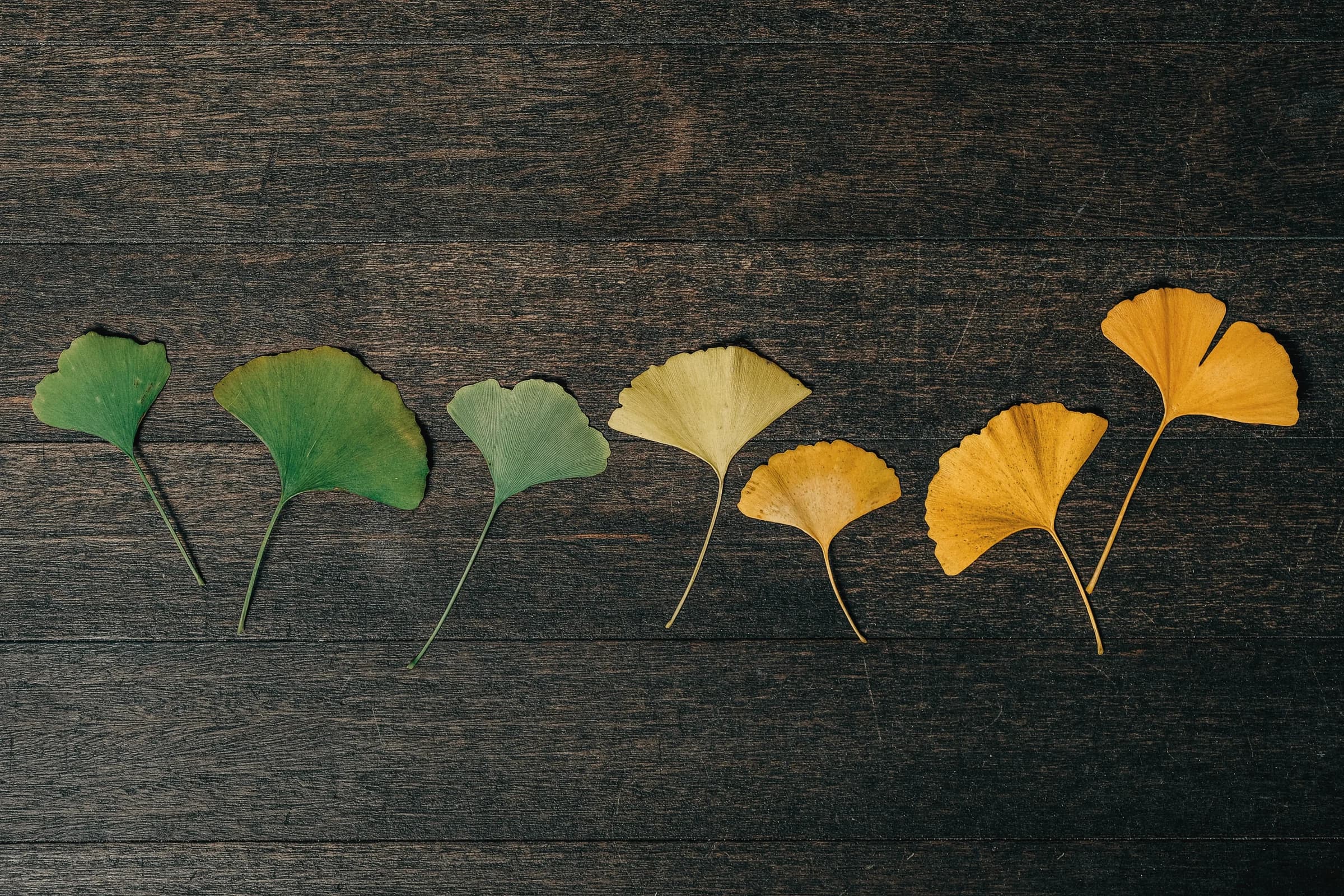
Ginkgo biloba: what the research shows
Ginkgo biloba is a leaf extract from the maidenhair tree, sold in the UK mostly as a food supplement. Despite its reputation, large trials found it didn't prevent dementia, reviews on tinnitus are inconclusive, it has no authorised health claim, and it can add to bleeding risk with some medicines and before surgery.
7 min read
Herbs and botanicals
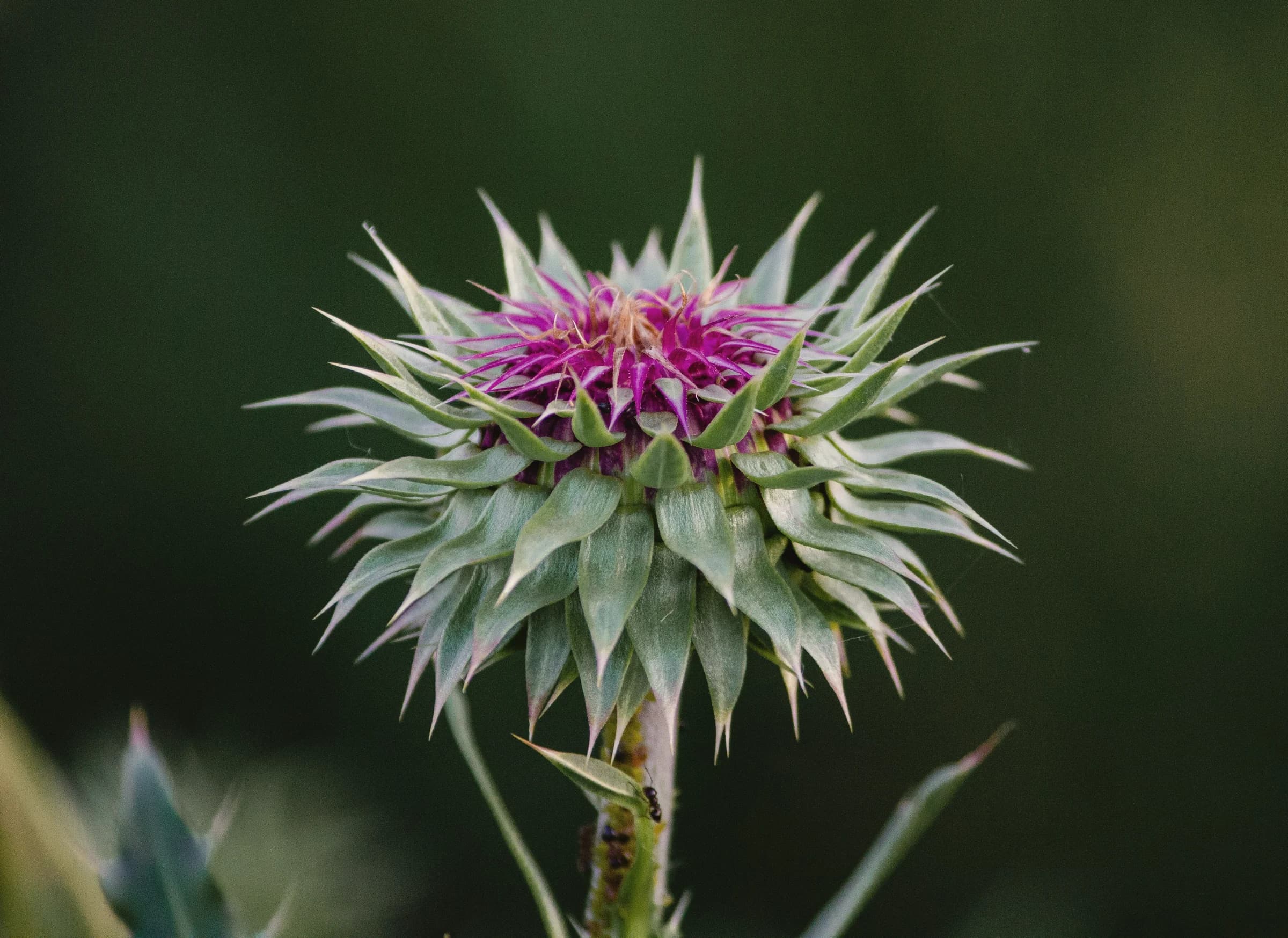
Milk thistle: the liver research and safety
Milk thistle is a daisy-family plant whose seed extract, silymarin, is sold in the UK as tablets, capsules and tea, mostly for the liver. It has no authorised health claim, the most rigorous liver trials found no clear benefit, and anyone with a liver condition or abnormal liver tests should see a GP rather than treat themselves.
8 min read
Herbs and botanicals
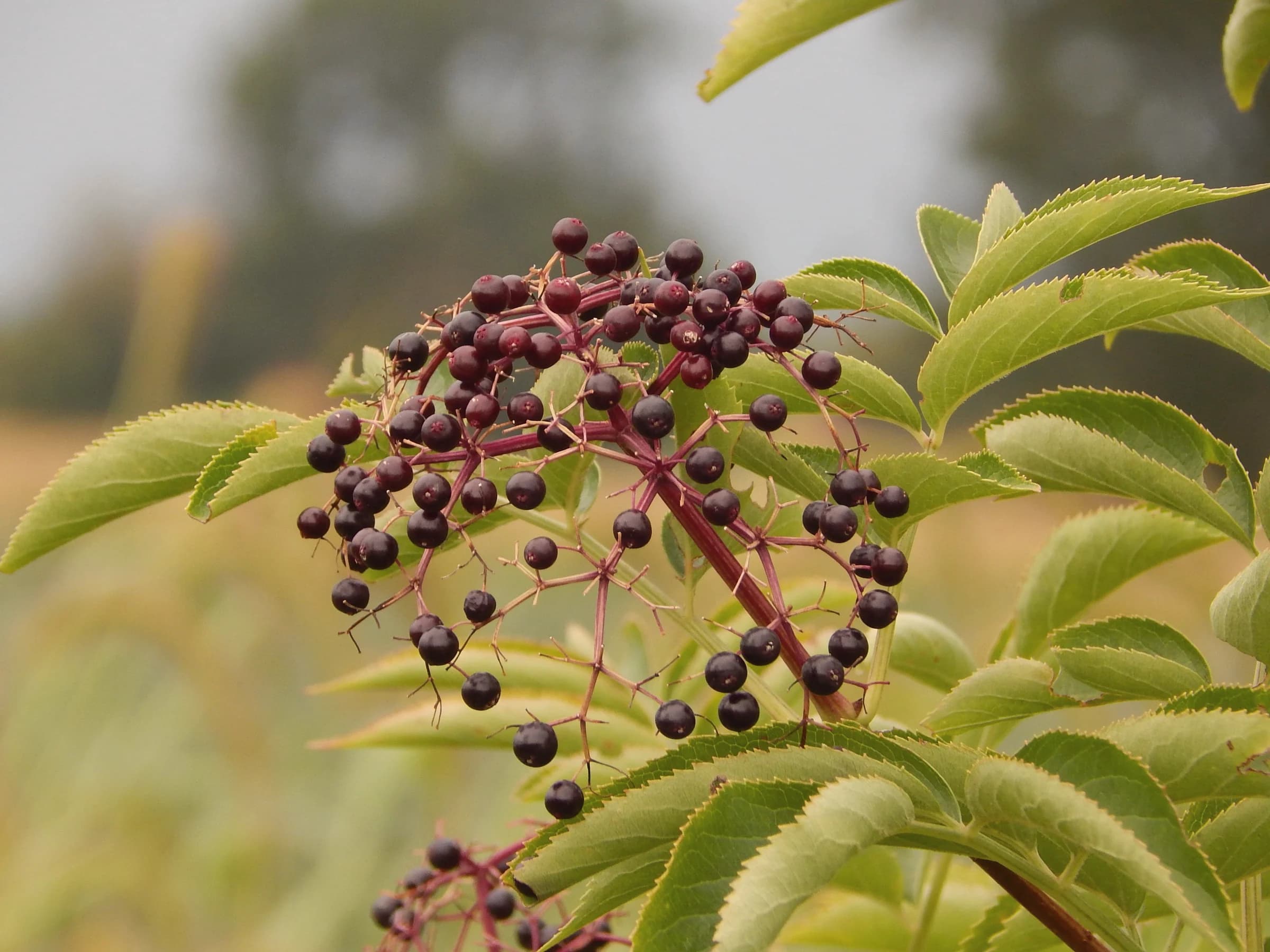
Elderberry syrup: the research and how to make it
Elderberry syrup is a cooked, sweetened syrup of black elderberries. Small trials on colds and flu disagree with each other, no health claim for elderberry is authorised in the UK, and the berries have to be ripe, stripped of their stems and cooked, because raw elder can make you ill.
9 min read