Hydroxytyrosol and olive leaf extract
Hydroxytyrosol is a polyphenol from olives, and extra virgin olive oil is its main food source. Great Britain's one authorised claim for it covers olive oil with at least 5 mg of hydroxytyrosol and related compounds per 20 g, eaten at 20 g a day. It doesn't apply to capsules, and olive leaf extract has no authorised claims at all.
By The Natura team6 min read
What is hydroxytyrosol?
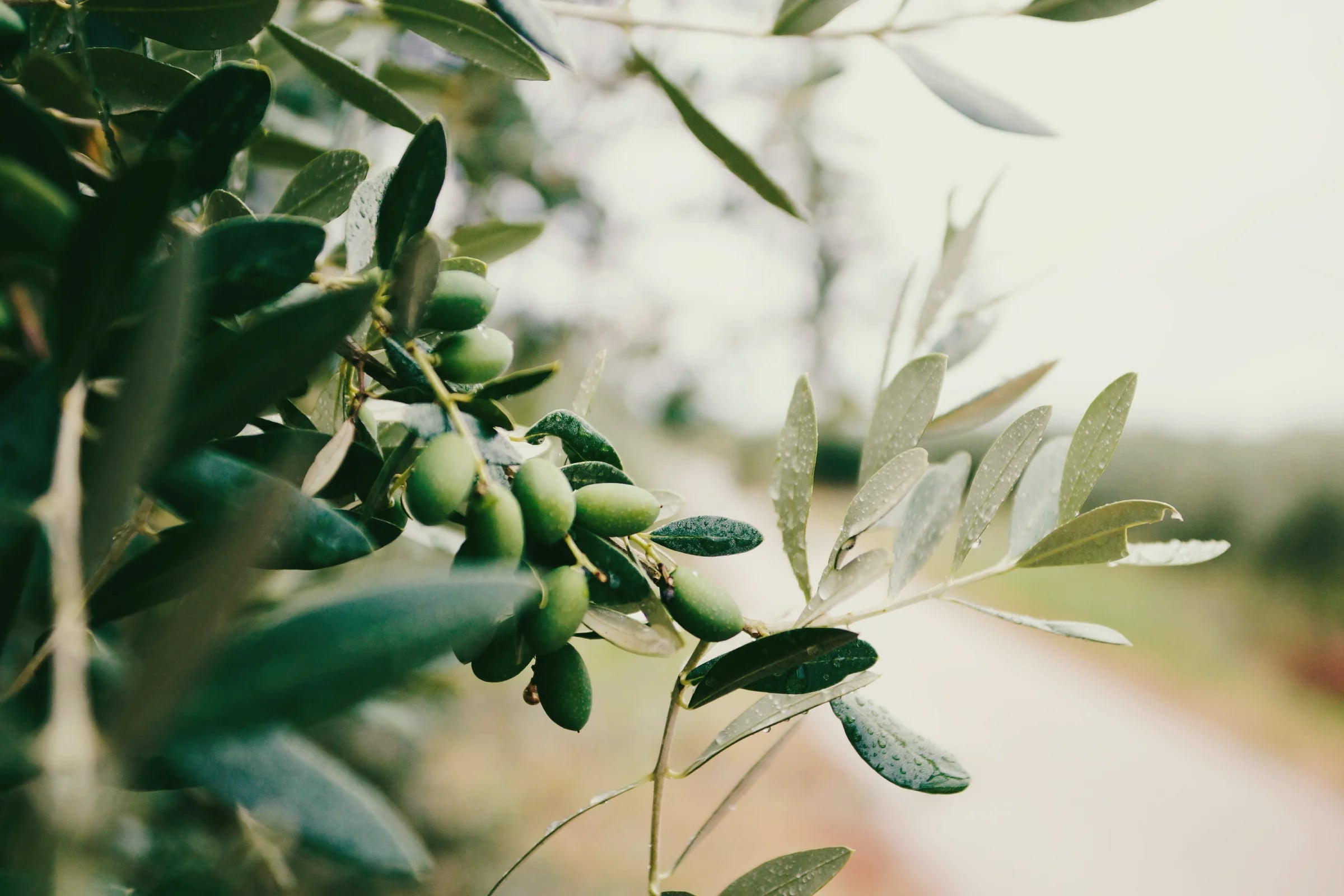
Hydroxytyrosol is a polyphenol, a type of plant compound, found in olives, olive oil and olive leaves. Extra virgin olive oil is the main source in the diet. In the oil, some hydroxytyrosol is free and some is bound up in larger compounds, including relatives of oleuropein, which is why the GB health claim counts "hydroxytyrosol and its derivatives" together.
The type of oil matters. Virgin olive oils are richer in these compounds than refined olive oil, and the amounts vary a lot: the three test oils in the EUROLIVE trial ranged from 2.7 to 366 mg of polyphenols per kg.
What are the benefits of hydroxytyrosol?
The one benefit authorised in Great Britain belongs to olive oil. The claim reads: "Olive oil polyphenols contribute to the protection of blood lipids from oxidative stress." It can only be used for olive oil containing at least 5 mg of hydroxytyrosol and its derivatives (such as oleuropein complex and tyrosol) per 20 g of oil, and buyers must be told that the effect comes from 20 g of olive oil a day. It doesn't cover capsules, extracts or any other food.
"Blood lipids" here mainly means LDL cholesterol particles, and "oxidative stress" means chemical damage that can change them. One large trial on this was EUROLIVE, published in 2006. Two hundred healthy men in five European countries took 25 ml a day of three olive oils that were alike except for their polyphenol content, for three weeks each. Markers of oxidative damage, including oxidised LDL, fell as the polyphenol content rose, and "good" HDL cholesterol rose slightly with all three oils, most with the richest. The periods were short and diets were self-reported, as the authors point out.
Does hydroxytyrosol work as a supplement?
The evidence for capsules is thinner and mixed. A 2024 systematic review of 12 randomised trials (683 people) of oleuropein and hydroxytyrosol supplements, with doses from 5 mg of hydroxytyrosol a day upwards, found "contrasting but encouraging" results and said more research is needed on dose and duration. A 2025 meta-analysis by the same group pooled 14 studies (594 people) and found small falls in total cholesterol, triglycerides and insulin, with large differences between the studies. The trials were small and short and tested different products, and none of their findings counts as an authorised claim.
Olive fruit extract or olive leaf extract: what's the difference?
They come from different parts of the tree and contain different main compounds.
| What to compare | Extra virgin olive oil | Olive fruit extract | Olive leaf extract |
|---|---|---|---|
| What it is | A food, pressed from the fruit | A concentrate from the fruit, usually in capsules | A concentrate from the leaves, in capsules or liquid |
| Main polyphenols | Hydroxytyrosol and tyrosol, free and bound | Hydroxytyrosol, in amounts that vary by product | Mostly oleuropein, with a little hydroxytyrosol |
| Authorised GB health claim | Yes, if it meets the 5 mg per 20 g condition | None | None |
To give a sense of the balance in leaf extract, the daily dose in a University of Reading trial provided 136 mg of oleuropein and 6 mg of hydroxytyrosol.
What are the benefits of olive leaf extract?
Research has looked mostly at blood pressure and cholesterol, and the results don't agree. The Reading trial gave 60 men with slightly raised blood pressure olive leaf extract or a dummy liquid for six weeks each. On the extract, average 24-hour systolic blood pressure was about 3 mmHg lower and LDL cholesterol also fell. Half the funding came from the extract's manufacturer, which the authors say had no part in running the study.
The reviews pull in different directions:
- A 2022 meta-analysis of 12 trials (819 adults) found small falls in systolic blood pressure, about 4 mmHg on average, and in triglycerides, but no meaningful changes in blood sugar, liver, kidney or inflammation markers. The authors rated the evidence for several outcomes as low to very low quality.
- A 2026 meta-analysis of 11 trials found no significant effect on blood sugar or blood fats in the trials where people took the extract every day, and concluded that current evidence doesn't support recommending it for health benefits.
No olive leaf claim is authorised in Great Britain. The GB register lists claims about blood sugar after meals and, combined with beta-glucan, about immunity as not authorised, and there's no authorised blood pressure claim. If your blood pressure is high, that's one for your GP, and a supplement is no substitute for prescribed treatment.
Olive leaf extract capsules: what to check
Look for the oleuropein content per dose on the label, since that's the measure the trials report. Check interactions before you start. Memorial Sloan Kettering Cancer Center's herb database notes that in laboratory studies olive leaf extract added to the effect of blood pressure medicines and lowered blood sugar alongside insulin or diabetes medicines. It says how much this matters in people isn't yet known, so ask your GP or pharmacist first if you take either. Our guide to taking supplements together covers how to space and combine them.
What is the best source of hydroxytyrosol?
Extra virgin olive oil, and olives themselves. An oil that qualifies for the GB claim has at least 5 mg per 20 g, which works out at 250 mg per kg. Twenty grams is about one and a half tablespoons and, at 9 kcal per gram of fat, about 180 kcal. UK government advice is to cut down on fats overall and replace saturated fat with some unsaturated fat, so the sensible way to get it is to cook and dress food with the oil instead of butter, without adding extra.
Not every bottle gets there, and three things make a difference:
- The olives. A 2021 study of 12 Spanish olive varieties picked at three stages of ripeness found levels varied widely by variety. The highest, all above 250 mg per kg, came from several varieties at the green stage.
- Age. A study of 160 extra virgin olive oils stored in the dark at 20°C found their polyphenols fell by 42% on average over 12 months, so a recent harvest date and a cool, dark cupboard both help.
- The label. There's no official method for measuring every free and bound form, which researchers say is one reason producers rarely use the claim. Most bottles don't state a figure.
The NHS also recommends at least two portions of fish a week, one of them oily; our guide to omega-3 foods covers which ones to choose.
Is hydroxytyrosol safe?
At the amounts in food, there's no sign of harm. In 2017 the European Food Safety Authority assessed synthetic hydroxytyrosol for adding to oils and spreads and judged it safe at the proposed levels. It noted that intakes would be similar to or lower than those from olive oil and olives, which haven't been linked to harm. That assessment didn't cover children under three or pregnant or breastfeeding women. In supplement trials, a six-month study of 5 or 15 mg a day in 29 women reported that it was safe and well tolerated, but the trials have been small and mostly short.
Common questions
Does hydroxytyrosol help you lose weight?
There's no good evidence that it does, and no authorised claim. One small trial gave 29 women with overweight hydroxytyrosol or a placebo for six months. The higher dose group showed a difference at four weeks that faded by 12 and 24 weeks. That's far too little to go on, and the result didn't last even within the trial.
Is olive leaf extract the same as hydroxytyrosol?
No. Olive leaf extract is mostly oleuropein, a larger compound related to hydroxytyrosol, with only a little hydroxytyrosol itself. The daily dose in one UK trial gave 136 mg of oleuropein and 6 mg of hydroxytyrosol. An olive fruit extract may be measured by its hydroxytyrosol content instead, so check which compound, and how much of it, the label states.
Can you take olive leaf extract with blood pressure tablets?
Ask your GP or pharmacist first. Laboratory studies suggest olive leaf extract can add to the effect of blood pressure medicines and lower blood sugar alongside diabetes medicines, though how much this matters in people isn't known. Never cut down or stop a prescribed blood pressure medicine because you've started a supplement, and tell whoever reviews your medicines what you're taking.
How much hydroxytyrosol is in olive oil?
It varies a lot. Refined oils have very little, and extra virgin oils range from modest amounts to several hundred milligrams per kilo, depending on the olive variety, how ripe the fruit was and how old the oil is. To carry the GB health claim an oil needs at least 5 mg of hydroxytyrosol and its derivatives per 20 g, which is 250 mg per kg.
Is extra virgin olive oil better than ordinary olive oil for polyphenols?
Yes. Virgin olive oils are richer in polyphenols than refined olive oil, according to the researchers behind the EUROLIVE trial, whose three test oils ranged from 2.7 to 366 mg of polyphenols per kg. Even among extra virgin oils, levels vary with the olive variety, how ripe the fruit was and how long the oil has been stored, so a recent harvest date is a useful clue.
Sources
- GB nutrition and health claims (NHC) register (olive oil polyphenols claim and conditions of use)
- Covas MI et al. 2006, Annals of Internal Medicine: polyphenols in olive oil and heart disease risk factors (EUROLIVE)
- Bertelli M et al. 2020, Journal of Biotechnology: Hydroxytyrosol, a natural compound with promising pharmacological activities
- Frumuzachi O et al. 2024, Antioxidants: oleuropein and hydroxytyrosol supplementation, systematic review of RCTs
- Frumuzachi O et al. 2025, Critical Reviews in Food Science and Nutrition: oleuropein, hydroxytyrosol and tyrosol on cardiometabolic risk factors, meta-analysis
- Lockyer S et al. 2017, European Journal of Nutrition: phenolic-rich olive leaf extract on blood pressure and lipids, RCT
- Razmpoosh E et al. 2022, Diabetology and Metabolic Syndrome: olive leaf extract and cardiovascular risk factors, meta-analysis
- Câmara Rocha Menezes R et al. 2026, Food and Function: oleuropein and olive leaf extract, metabolic and inflammatory effects, meta-analysis
- Memorial Sloan Kettering Cancer Center: Olive leaf (About Herbs)
- López-Huertas E et al. 2021, Food Chemistry: olive oil varieties and ripening stages meeting the EFSA health claim
- Castillo-Luna A et al. 2021, Food Chemistry: loss of extra virgin olive oil phenols during storage
- Bellumori M et al. 2019, Molecules: the EFSA olive oil polyphenols claim and measuring total hydroxytyrosol
- NHS: Fat, the facts
- EFSA NDA Panel 2017, EFSA Journal: Safety of hydroxytyrosol as a novel food
- Fytili C et al. 2022, Nutrients: long-term hydroxytyrosol and body weight, randomised trial
This guide is general information, not medical advice. If you have a medical condition, take prescription medicines, or are pregnant or breastfeeding, speak to your GP or pharmacist before starting a supplement.
This product is a food supplement intended for use by adults aged 18 and over. It is not intended to diagnose, treat, cure, or prevent any disease. Consult a qualified healthcare professional before use, particularly if pregnant, breastfeeding, or taking medication. Individual results vary.
Further reading
Vitamins and minerals
Omega-3 foods: which have the most?
Oily fish such as mackerel, sardines, kippers, salmon and trout are the richest omega-3 foods, and they give the long-chain fats EPA and DHA. Walnuts, linseed, chia, rapeseed oil and soya give ALA, a plant omega-3 the body turns into EPA and DHA only in small amounts.
6 min read
Vitamins and minerals
Which supplements can you take together?
Most vitamins and minerals, vitamin C and zinc included, can be taken together. Keep iron about 2 hours away from calcium, tea, coffee and antacids, keep mineral supplements away from medicines such as levothyroxine, alendronic acid and some antibiotics, and add up your totals so two products don't take you past NHS limits.
15 min read
Herbs and botanicals
Elderberry syrup: the research and how to make it
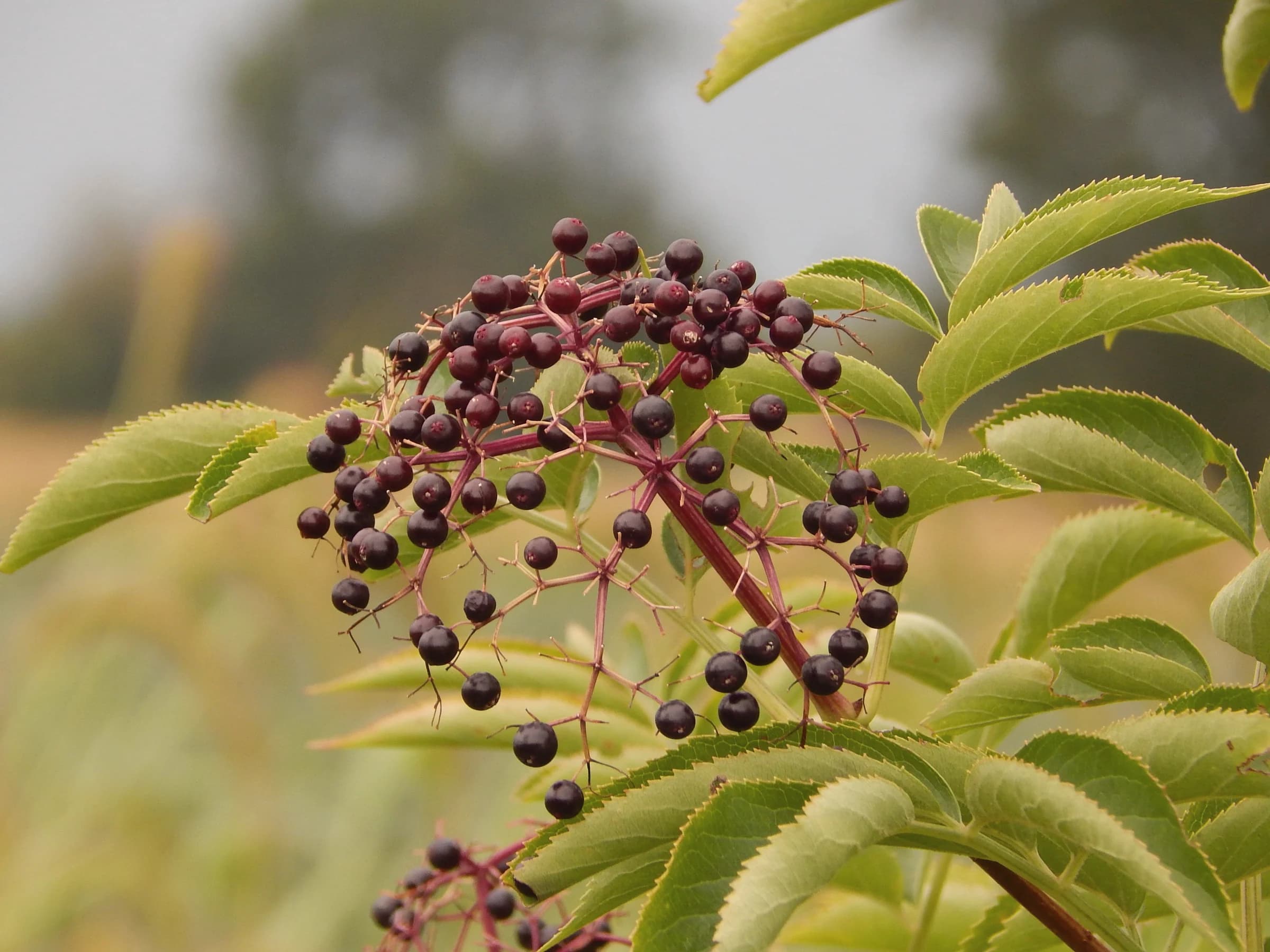
Elderberry syrup is a cooked, sweetened syrup of black elderberries. Small trials on colds and flu disagree with each other, no health claim for elderberry is authorised in the UK, and the berries have to be ripe, stripped of their stems and cooked, because raw elder can make you ill.
9 min read