Lemon balm tea: uses, research and safety
Lemon balm tea is a caffeine-free infusion of the leaves of Melissa officinalis, a lemon-scented herb in the mint family: steep a small handful of fresh leaves, or 1.5 to 4.5 g of dried leaf, in about 150 ml of just-boiled water for 5 to 10 minutes. Trials of concentrated extracts report changes in mood scores, but none tested ordinary tea, and lemon balm has no authorised health claim.
By The Natura team5 min read
What is lemon balm tea?
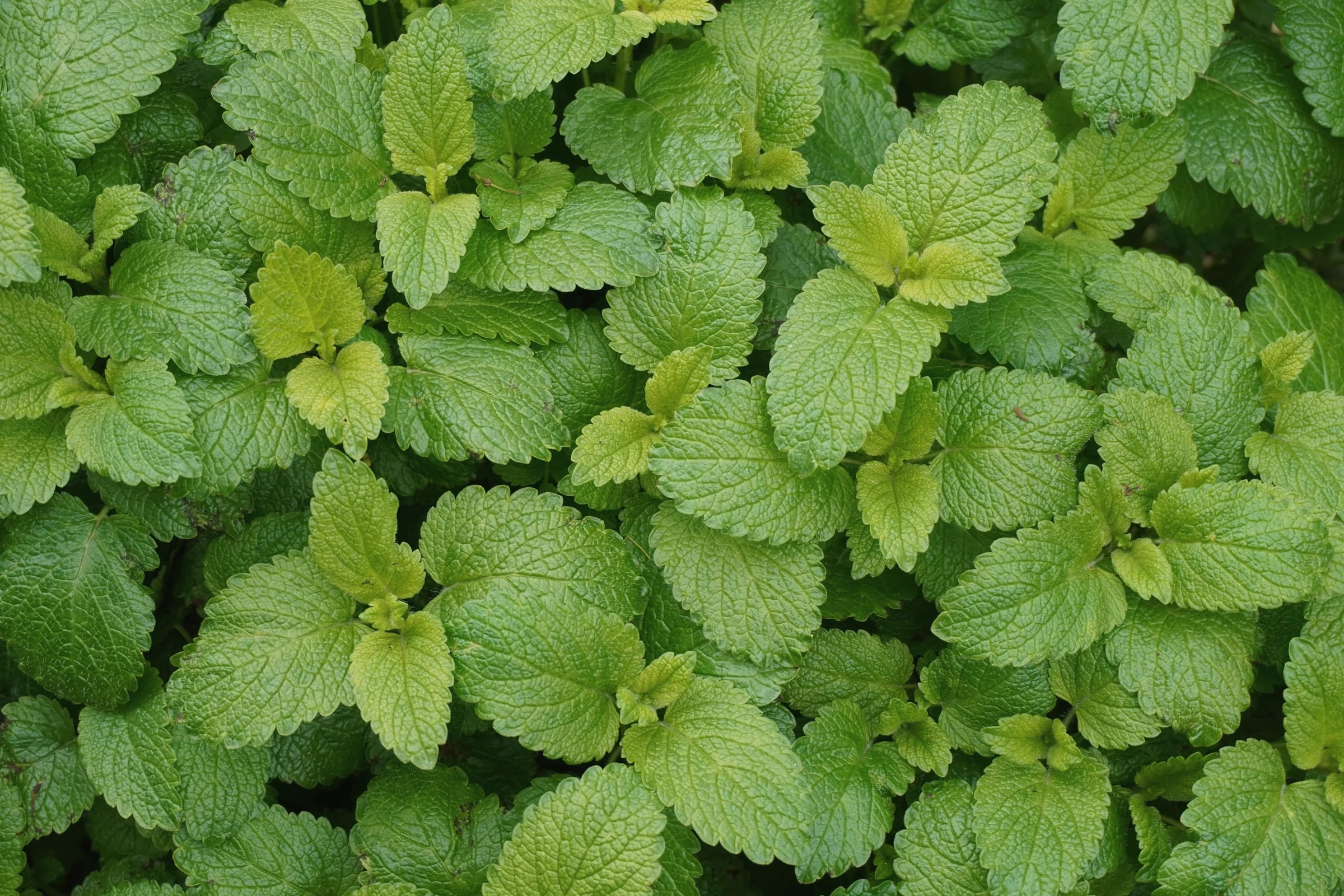
Lemon balm tea is an infusion of the leaves of lemon balm (Melissa officinalis), a bushy, lemon-scented herb in the mint family. A pure lemon balm infusion has no caffeine in it, so it can replace an evening cup of tea or coffee, and you can make it from fresh leaves, loose dried leaf or tea bags. If you're cutting back on caffeine, our caffeine calculator adds up what's in your usual drinks.
Not every "lemon" tea is lemon balm. Lemon verbena, lemongrass and lemon peel are different plants, so look for "lemon balm" or "Melissa officinalis" in the ingredients.
How do you make lemon balm tea?
Pour just-boiled water over the leaves, cover, leave it for 5 to 10 minutes and strain. For quantities, the European herbal monograph for lemon balm uses 1.5 to 4.5 g of dried leaf in 150 ml of boiling water per cup, which is a useful reference for both loose leaf and tea bags.
With fresh leaves
- Pick a small handful of leaves and rinse them.
- Tear or bruise them lightly to release the scent, and put them in a mug or teapot.
- Pour over about 150 to 250 ml of just-boiled water.
- Cover with a saucer, leave for 5 to 10 minutes, then strain.
With dried leaf or tea bags
Use 1.5 to 4.5 g of dried leaf per 150 ml cup and steep it the same way, covered. Boxes of tea bags state the weight of each bag, so you can compare it with that range. Ingredients are listed in order of weight, so if lemon balm comes after three other herbs, there isn't much of it in the bag.
Lemon balm tea recipe ideas
- For iced tea, make it double strength, let it cool, and pour it over ice with a slice of lemon.
- Add a few mint leaves to the pot. Mint and lemon balm belong to the same plant family, and the flavours sit well together.
- If you add honey, stir in a little once the tea has cooled slightly, and remember that honey counts as free sugar.
What does the research on lemon balm say?
Lemon balm has no authorised health claim in Great Britain, so neither a tea nor a supplement can say it calms you or helps you sleep. The research behind it is small.
- In a 2004 laboratory study, 18 healthy volunteers took single doses of a standardised lemon balm extract (300 mg and 600 mg) or a placebo, then did a 20-minute stressful computer task. After the 600 mg dose they rated themselves calmer and less alert.
- A 2021 meta-analysis in Phytotherapy Research pooled trials in people with symptoms of anxiety or depression and found better scores with lemon balm than with placebo. The authors asked readers to treat the results with caution, because there were few trials, their methods differed and the results varied widely.
- A 2023 trial gave 100 adults with moderate stress, low mood or poor sleep either 400 mg a day of a branded lemon balm extract or a placebo for three weeks, and reported better scores on questionnaires about mood, anxiety, stress and wellbeing.
These were short studies of extracts in capsules or tablets. None tested a cup of lemon balm tea, so their results can't be applied to the tea in your mug. If sleep is the reason you're looking, our guide to magnesium and sleep covers the research on that mineral.
Lemon balm supplements and licensed lemon balm medicines
Lemon balm supplements are capsules or tablets of dried leaf or of a concentrated extract. Some lemon balm capsules sold in the UK are medicines instead: they're registered with the MHRA as traditional herbal medicines, they appear on the MHRA's medicines database, and they carry a THR number on the pack.
The approved uses on a registered medicine belong to that medicine. A food supplement can't use them, and a registration isn't proof that a product works either: the MHRA's guidance says the indications it allows rest on traditional use, not evidence of effectiveness.
Can you take L-theanine and lemon balm together?
L-theanine, an amino acid found in tea leaves, is often paired with lemon balm in "calm" and sleep supplements, but we found no human trial of the two together. The nearest is a 2020 study that tested a mix of L-theanine, lemon balm and magnolia bark in mice and in nerve cells grown in the laboratory, which says nothing reliable about people. Neither ingredient has an authorised health claim. Our L-theanine guide covers the research on theanine itself, and the cautions below still apply to any product that contains lemon balm.
Is it safe to drink lemon balm tea every day?
The European herbal monograph for lemon balm lists no known side effects, and its medicinal amounts go up to three cups a day. A few groups should take more care.
| Who | Why | Source |
|---|---|---|
| Pregnant or breastfeeding women | Safety hasn't been established, and medicinal use, including as a herbal tea, isn't recommended | EMA monograph |
| Children under 12 | Not enough data | EMA monograph |
| People taking sleeping tablets or other sedatives | Extra drowsiness can't be ruled out, so taking them together isn't recommended | HPRA assessment of registered lemon balm capsules |
| People who drive or use machinery | Lemon balm medicines may impair driving | EMA monograph |
| People with a thyroid condition or taking levothyroxine | Laboratory and animal studies suggest a water extract may block thyroid-stimulating hormone; whether it matters in people isn't known | EMA monograph |
The thyroid finding came from work on a water extract, which is close to what a tea is. If you have a thyroid condition, mention lemon balm to your GP or pharmacist before you drink it regularly or take a supplement.
Common questions
What are the benefits of lemon balm tea?
Lemon balm has no authorised health claim, so we can't tell you it does anything for your health. It's a pleasant, caffeine-free drink, which makes it an easy swap for evening tea or coffee. Small trials of concentrated lemon balm extracts have reported better scores on mood and stress questionnaires, but they tested capsules, not tea, and the authors called for better studies.
Is it safe to drink lemon balm tea every day?
The European herbal monograph lists no known side effects, and its medicinal amounts go up to three cups a day. Avoid it if you're pregnant or breastfeeding, and check with a pharmacist first if you take sleeping tablets, other sedatives or thyroid medicine. If it makes you drowsy, don't drive. Children under 12 shouldn't have it as a remedy.
Does lemon balm tea contain caffeine?
No. Lemon balm is a herb in the mint family, not the tea plant, so a pure lemon balm infusion is caffeine-free. Blends can be different: some 'lemon' or 'calm' teas include green or black tea, which do contain caffeine, so check the ingredients if you're avoiding caffeine in the evening.
Does lemon balm tea get rid of belly fat?
We found no good evidence that it does. A 2020 review of seven lemon balm trials looked at cholesterol, blood pressure and blood sugar, not body fat, and found no effect on blood sugar. Lemon balm has no authorised health claim of any kind, including for weight, so treat any tea that promises a flatter stomach with suspicion.
Can I drink lemon balm tea while pregnant?
It's best avoided. The European herbal monograph says the safety of lemon balm in pregnancy and breastfeeding hasn't been established, and it doesn't recommend medicinal use, including as a herbal tea, at either time. If you'd like a caffeine-free hot drink, ask your midwife or pharmacist which herbal teas they're happy for you to have.
Sources
- European Medicines Agency: Community herbal monograph on Melissa officinalis L., folium (2013)
- European Medicines Agency: Melissae folium, herbal medicinal product summary
- HPRA (Ireland): Public assessment report for registered lemon balm hard capsules (2021)
- MHRA Products: Melissa officinalis quantified dry extract (registered lemon balm capsules)
- MHRA (GOV.UK): The Traditional Herbal Registration (THR) Certification Mark, guidance for business
- Kennedy et al. (2004), Psychosomatic Medicine: lemon balm and laboratory-induced stress
- Ghazizadeh et al. (2021), Phytotherapy Research: lemon balm for depression and anxiety, systematic review and meta-analysis
- Bano et al. (2023), Frontiers in Pharmacology: lemon balm extract in adults with emotional distress and poor sleep, randomised trial
- Borgonetti et al. (2020), Nutrients: L-theanine, lemon balm and magnolia combination in mice and cells
- Heshmati et al. (2020), Phytotherapy Research: lemon balm and cardio-metabolic outcomes, meta-analysis
- NHS: Vitamins and minerals, others (magnesium)
- GOV.UK: Great Britain nutrition and health claims (NHC) register
This guide is general information, not medical advice. If you have a medical condition, take prescription medicines, or are pregnant or breastfeeding, speak to your GP or pharmacist before starting a supplement.
This product is a food supplement intended for use by adults aged 18 and over. It is not intended to diagnose, treat, cure, or prevent any disease. Consult a qualified healthcare professional before use, particularly if pregnant, breastfeeding, or taking medication. Individual results vary.
Further reading
Sleep and mind
L-theanine: what it is and how much is in tea
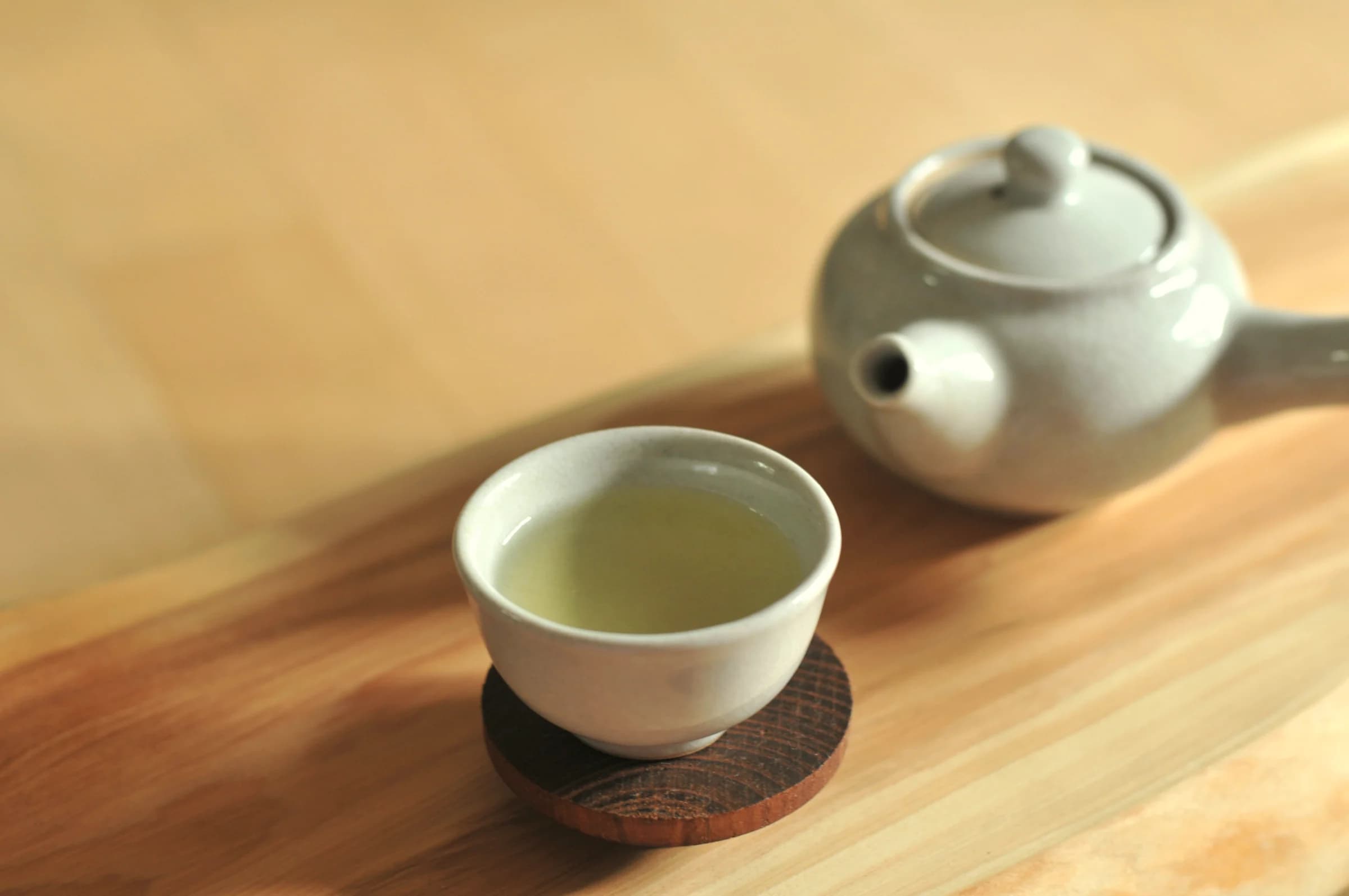
L-theanine is an amino acid found almost only in tea. Trials of 200 mg doses show small, short-term effects on reaction time and on how people rate their own stress and sleep, but the studies are small, many were industry-linked, and no health claim for theanine is authorised in Great Britain.
6 min read
Vitamins and minerals
Does magnesium help you sleep?
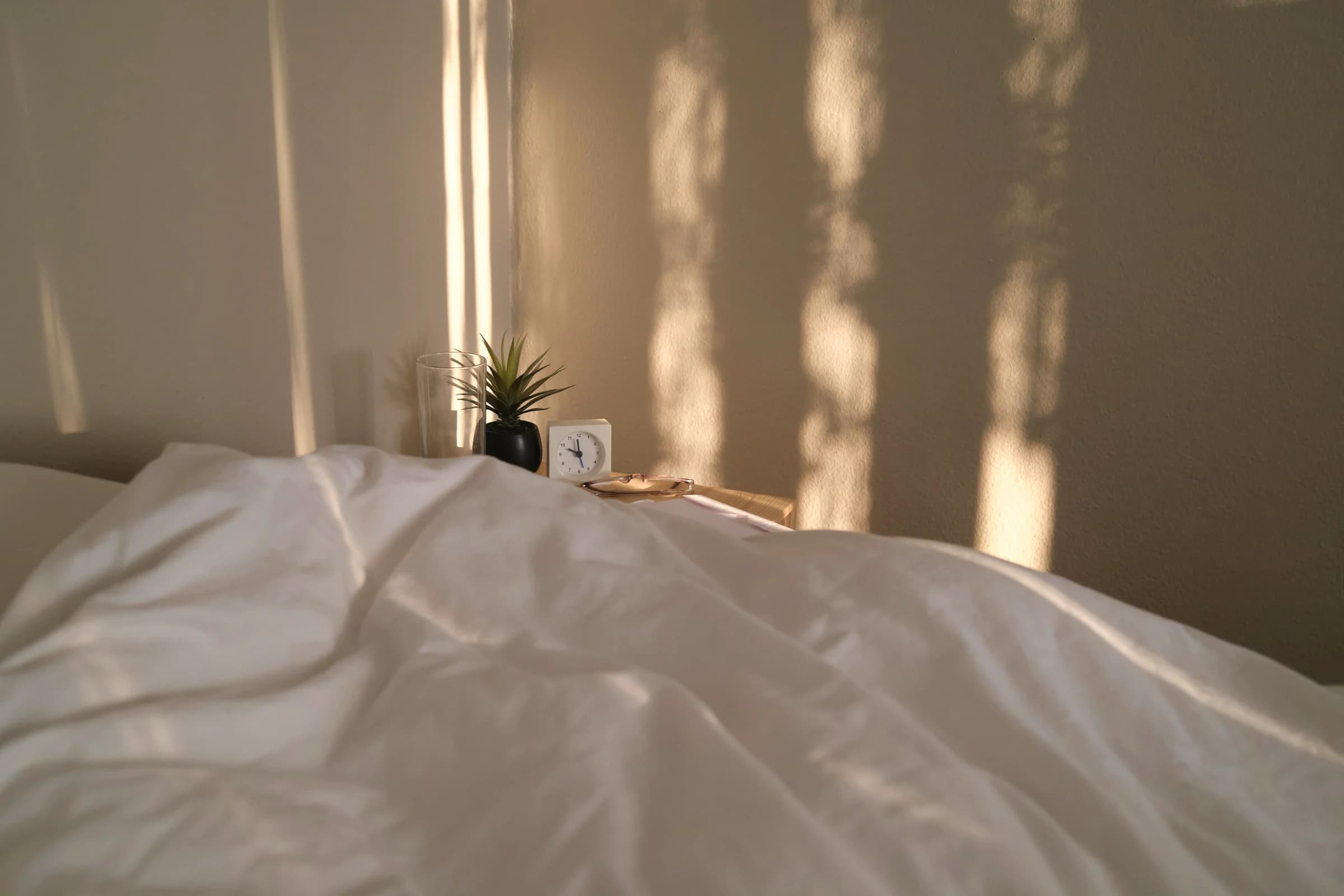
For most people, not by much. The trials are small and mixed, the clearest signal is in older adults and people who get little magnesium from food, and even there the effect is modest.
11 min read
Vitamins and minerals
Magnesium glycinate side effects and safe amounts
The usual side effect of magnesium glycinate, as with any magnesium supplement, is loose stools, and it gets more likely as the dose goes up. Serious problems are rare, and they mostly affect people whose kidneys don't work well.
10 min read